
The holiday season brings more vehicles on California roads, more impaired drivers, and more adverse weather conditions than almost any other time of year. According to the National Highway Traffic Safety Administration, roughly 40 percent of all traffic fatalities during the Christmas and New Year’s period involve a drunk driver. That figure is significantly higher than the annual average of about 28 percent. More people are driving longer distances, more people are drinking at gatherings, and enforcement activity increases in response.
Most of these accidents are preventable. This guide covers the specific risks that make holiday driving more dangerous, practical steps you can take to protect yourself and others, and what a DUI arrest in California actually means if something goes wrong.
Why Holiday Roads Are More Dangerous
Drunk and Impaired Driving
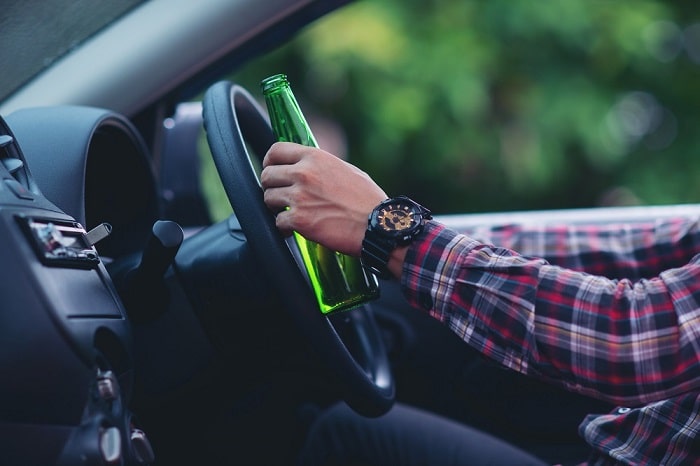
The single largest contributor to holiday traffic fatalities is impaired driving. Holiday gatherings, work parties, and New Year’s Eve celebrations all create conditions where more people than usual consume alcohol before getting behind the wheel. California law enforcement agencies routinely deploy additional DUI checkpoints and saturation patrols throughout December and into early January specifically because of this pattern. The NHTSA reports that on New Year’s Eve alone, more than half of all traffic deaths involve an impaired driver.
What makes holiday drunk driving particularly dangerous is that many impaired drivers at this time of year are not habitual drinkers. They drink infrequently, misjudge their actual impairment, and drive on roads that may also be affected by rain, fog, or reduced visibility. The combination of lower tolerance, poor judgment, and difficult conditions is genuinely deadly.
Weather Conditions
Southern California does not get snow, but it does get rain, fog, and temperature drops that create hazardous road conditions from November through February. Wet roads increase stopping distances significantly. Fog reduces visibility and makes it harder to judge the speed and distance of other vehicles. Early morning temperatures in mountain passes and some inland areas can produce black ice on road surfaces that look dry. These conditions require slower speeds, increased following distances, and heightened attention that many drivers do not adjust for.
More Vehicles, More Distraction
Holiday travel volume on California freeways and surface streets peaks in the days before Christmas and around New Year’s. More vehicles means more lane changes, more merging, and more aggressive driving by people trying to reach destinations on tight timelines. Distracted driving, always a problem, gets worse when passengers are present, when drivers are tired from travel, or when navigation apps and music occupy attention that should be on the road.
Practical Holiday Driving Safety Tips
The steps below are straightforward, but each one makes a measurable difference in reducing your exposure to holiday road risks:
- Plan before you drink: Decide before arriving at any gathering whether you will be drinking. If you are, arrange a rideshare, a designated driver, or a place to stay rather than deciding after the fact. Impaired judgment makes that decision harder once you have started drinking.
- Use a BAC estimator before driving: Blood alcohol concentration depends on your weight, what you drank, over how long, and whether you ate. Many people overestimate how quickly they sober up. If you are uncertain whether you are under the legal limit, do not drive.
- Increase your following distance: In wet or foggy conditions, the standard two-second following distance is not enough. Extend it to four to six seconds to give yourself adequate stopping distance if the vehicle ahead brakes suddenly.
- Watch for erratic drivers: Signs of an impaired driver include wide turns, drifting between lanes, stopping abruptly, driving significantly below the speed limit, and failure to use headlights at night. If you observe these behaviors, stay back, do not attempt to pass, and pull over safely to call 911.
- Leave earlier than you think you need to: Traffic during the holiday period is significantly heavier and less predictable than usual. Building extra time into your route reduces the pressure to drive faster than conditions allow.
- Keep your vehicle maintained: Cold weather affects tire pressure, battery performance, and windshield wiper condition. Check your tires, fluid levels, and lights before the season gets underway, not after you are stuck on the side of the road.
- Avoid driving late at night on New Year’s Eve: The window between 11 PM and 3 AM on December 31 and January 1 has consistently the highest concentration of impaired drivers on the road of any period during the year.
What Happens If You Are Stopped for DUI in California
California law enforcement significantly increases DUI enforcement activity during the holidays. Checkpoints are announced in advance but their locations are spread across major corridors. Officers are also conducting roving patrols looking for the traffic patterns associated with impaired driving. If you are stopped and the officer suspects impairment, you will be asked to perform field sobriety tests and submit to a preliminary alcohol screening breath test. Refusing the preliminary test prior to arrest is not subject to the implied consent penalty, but refusing a chemical test after a lawful arrest triggers a mandatory one-year license suspension in addition to any court penalties.
California Vehicle Code 23152 sets the legal blood alcohol concentration limit at 0.08 percent for most drivers, 0.04 for commercial vehicle operators, and 0.01 for drivers under 21 or on DUI probation. A driver can also be charged at any BAC level if the prosecution can establish that their ability to drive safely was actually impaired.
A DUI arrest triggers two separate proceedings that run simultaneously: a criminal case in the superior court and an administrative license suspension proceeding through the DMV. You have 10 days from the date of arrest to request a DMV hearing to contest the administrative suspension. Missing that window results in an automatic suspension regardless of what happens in the criminal case.
California DUI penalties by offense level:
| Offense | Jail | Fine (base) | License Suspension |
| 1st offense DUI | Up to 6 months | $390-$1,000 | 6 months |
| 2nd offense (within 10 yrs) | 96 hrs-1 year | $390-$1,000 | 2 years |
| DUI causing injury | Up to 3 years (felony) | Up to $5,000 | Up to 4 years |
| Chemical test refusal | Above + enhancement | Above + fees | 1-year additional |
Base fines are multiplied by penalty assessments that typically push the total cost to $2,000 or more on a first offense. Beyond the fines and suspension, a first offense DUI in California also requires mandatory DUI school, probation of three to five years, an SR-22 insurance filing, and in some cases installation of an ignition interlock device.
A DUI conviction stays on your California driving record for 10 years and on your criminal record permanently unless expunged. The long-term consequences extend well beyond the immediate penalties. If you are facing a DUI charge, retaining an experienced DUI defense attorney as early as possible, before the DMV hearing deadline, is the most important step you can take.
Frequently Asked Questions
Can I be arrested for DUI even if I feel fine to drive?
Yes. California law permits a DUI charge based on actual impairment even when BAC is below 0.08 percent. An officer who observes driving patterns consistent with impairment, combined with signs such as the odor of alcohol, slurred speech, or poor performance on field sobriety tests, has grounds to arrest regardless of the BAC reading. Many people genuinely underestimate their level of impairment, particularly those who drink infrequently.
Are there more DUI checkpoints during the holidays in California?
Yes. The California Office of Traffic Safety funds additional DUI checkpoint operations throughout December and early January, and law enforcement agencies are required to announce checkpoints publicly in advance. The announcement requirement does not significantly reduce their effectiveness because drivers who attempt to avoid them by turning around can be stopped for that behavior if done unlawfully.
What if I was hit by a drunk driver during the holidays?
If you were injured in an accident caused by an impaired driver, you may have both a personal injury civil claim against that driver and, if applicable, a dram shop claim against a business that served them alcohol. On the criminal side, the drunk driver may face charges including DUI causing injury under Vehicle Code 23153, which is a felony if the injuries are serious. As the victim, you are not the complaining party in the criminal case, but your testimony and cooperation with law enforcement significantly strengthen the prosecution’s case.
How do I know if my BAC is under the legal limit?
The only reliable way is a breathalyzer or blood test. BAC depends on body weight, gender, the number and type of drinks consumed, the time over which you drank, and whether you ate. General rules of thumb about drinks per hour are not precise enough to rely on for a driving decision. The BAC estimator tool on this site can provide a general reference, but it is not a substitute for an actual test. When in doubt, do not drive.
Stay Safe, Know the Risks
The holidays should not carry the risk of a DUI arrest or a serious accident. Planning ahead, understanding the specific conditions that make this time of year more dangerous, and knowing what enforcement looks like on California roads during December and January are all things within your control. If you are facing a DUI charge from this holiday season or a prior one, contact Manshoory Law Group for a free case analysis.