
Being charged with drug possession in Santa Ana can feel overwhelming. One moment you’re heading home or meeting friends downtown — the next, you’re facing serious legal consequences.
Whether you were found with prescription medication, marijuana, or another controlled substance, understanding how California drug laws work can help you understand your options.
With extensive experience defending clients in Santa Ana criminal court, Manshoory Law Group provides step-by-step guidance through every part of the process — from arrest to resolution.
Common Drug Possession Offenses in Santa Ana
Drug arrests in Santa Ana usually begin with a traffic stop, search warrant, or police encounter near popular areas such as downtown nightlife zones, local colleges, or major freeways.
Common controlled substances in local cases include:
- Methamphetamine, cocaine, or heroin
- Prescription painkillers or stimulants like Adderall and Xanax without a valid prescription
- Marijuana in excess of legal possession limits
- Paraphernalia such as syringes, pipes, or digital scales
Under Health and Safety Code § 11350, even a small amount of a controlled substance can lead to a misdemeanor or felony charge depending on prior history and intent. Santa Ana police are proactive in enforcing these laws, and small mistakes can escalate quickly.[
The Arrest Process: What to Expect
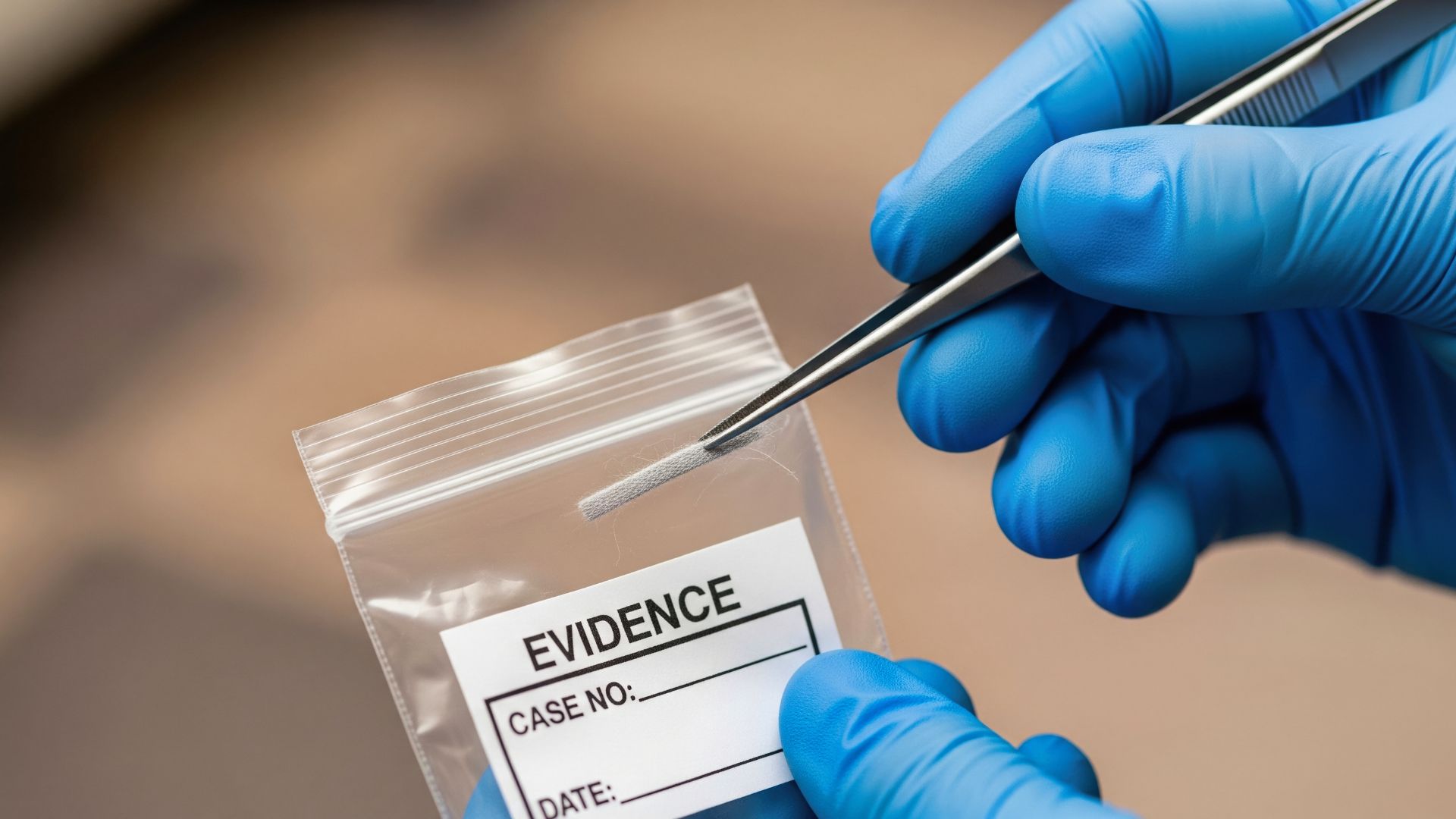
Most arrests follow the same pattern:
- Detention and Search — Officers with the Santa Ana Police Department or Orange County Sheriff’s Department investigate after noticing possible drug activity.
- Evidence Collection — If drugs or paraphernalia are found, they’re seized as evidence.
- Booking and Bail — You’re fingerprinted, photographed, and held until bail is posted or a hearing is scheduled.
Santa Ana police often collaborate with regional task forces targeting controlled-substance activity along the I-5 and 55 corridors.
During booking, it’s important to remain calm and request legal counsel before answering questions. Anything you say can be used in court later.
Charges and Classification Under California Law

California divides drugs into five schedules based on potential for abuse and medical use. Schedule I drugs (like heroin or LSD) carry the toughest penalties, while Schedule V includes the mildest prescription medications.
Typical charge types include:
- Simple possession — having a small quantity for personal use.
- Possession with intent to sell — prosecutors allege distribution or sale based on quantity or packaging.
- Possession of drug paraphernalia — items associated with use or distribution.
Since Proposition 47, many first-time or low-level offenses under Health and Safety Code § 11350 are treated as misdemeanors rather than felonies, often qualifying for probation or diversion instead of jail.
Learn more about statewide regulations here: California drug laws.
Local Court Procedures in Santa Ana

All drug cases from Santa Ana are heard at the Orange County Superior Court, Central Justice Center.
The court process generally follows these stages:
- Arraignment – Formal reading of charges and entry of plea.
- Pre-trial hearings – Negotiations, evidence review, and possible diversion requests.
- Trial (if needed) – Presentation of testimony and lab evidence.
- Sentencing – Judge determines outcome based on facts and record.
Local prosecutors and judges consider factors like cooperation, criminal history, and whether treatment or education programs could substitute for incarceration.
Since every courtroom has its own procedures, hiring an Orange County criminal defense attorney familiar with Santa Ana’s system can make a significant difference.
Possible Legal Defenses

Even if police found drugs, you may still have strong defenses. Manshoory Law Group often challenges cases using strategies such as:
- Illegal search or seizure – Evidence obtained without probable cause may be suppressed.
- Lack of knowledge or intent – You didn’t know the drugs were present or illegal.
- Chain-of-custody issues – Lab testing or evidence handling errors can invalidate results.
- Entrapment or police misconduct – Officers coerced or induced the alleged act.
- Valid prescription defense – Prescription medication possessed legally.
A skilled defense attorney reviews every detail — from the initial stop to lab analysis to identify weaknesses in the prosecution’s case.
When to Speak with a Criminal Defense Attorney

Time is critical after an arrest. Calling a lawyer immediately can:
- Prevent statements that harm your defense.
Manshoory Law Group offers:
- 24/7 availability for urgent calls
- Former prosecutor insight into Orange County DA strategy
- Proven success defending drug possession cases in Santa Ana
- Personalized legal plans for each client
The sooner you act, the better your chances of protecting your record and future.
FAQs About Drug Possession in Santa Ana
What happens if I’m charged under Health and Safety Code § 11350?
You could face a misdemeanor charge with up to 1 year in county jail or probation, though first-time offenders often qualify for diversion.
Can a lawyer reduce a felony to a misdemeanor?
Yes. Under Proposition 47, many non-violent drug offenses can be re-classified, reducing penalties and future record impact.
How long does a drug possession case take in Santa Ana?
Simple possession cases usually resolve within a few months; felonies or cases involving search motions can take longer.
What’s the difference between possession and intent to sell?
Intent to sell is based on quantity, packaging, or evidence like cash or scales and carries far harsher penalties.
Can charges be dismissed if the search was illegal?
Yes. If the court finds police lacked probable cause or violated your Fourth Amendment rights, the evidence may be thrown out and the case dismissed.