
Riverside County prosecutes DUI aggressively. It is one of the largest counties in California by geography, it carries heavy freeway traffic on the 91, the 60, and the 215, and the District Attorney’s office has a reputation for making fewer early concessions than some coastal counties. If you have been arrested, understanding what actually happens next puts you in a far better position than simply guessing.
The sections below cover what counts as a DUI in Riverside, the penalties you face, how local courts handle these cases, and the defenses that realistically change outcomes.
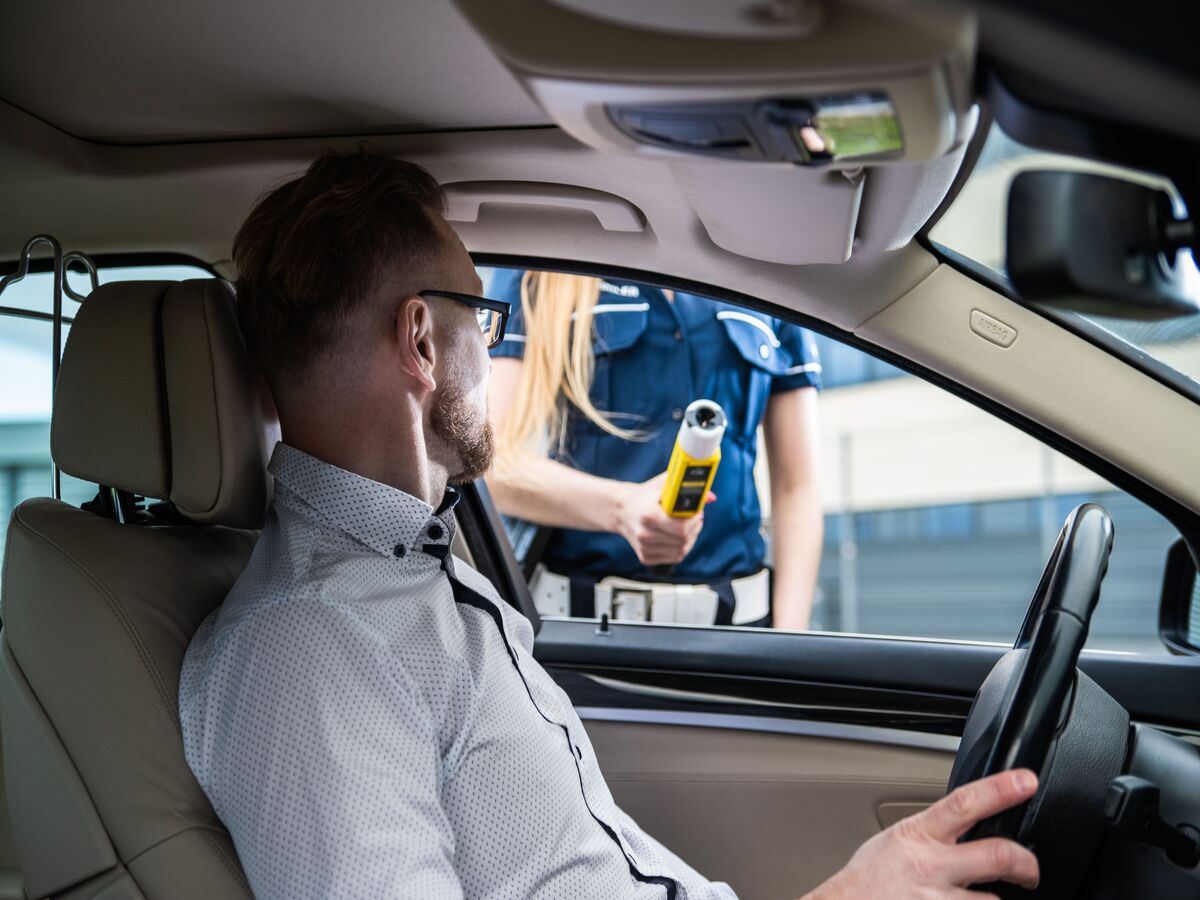
What Counts as a DUI in Riverside, California?
There is no separate Riverside DUI law. Your case is charged under state law, specifically Vehicle Code 23152, which makes it a crime to drive under the influence of alcohol or drugs and, separately, to drive with a blood alcohol concentration of 0.08 percent or higher. Prosecutors often file both counts from a single arrest.
Lower limits apply to certain drivers. Commercial drivers face a 0.04 percent threshold, rideshare and taxi drivers carrying passengers face 0.04 percent, and drivers under 21 face a zero tolerance standard that starts at 0.01 percent. Being under the legal limit does not make you immune either. If an officer believes your driving was impaired, you can be charged on observations alone even with a BAC below 0.08 percent. The text of Vehicle Code 23152 sets out each of these theories separately, which is why one arrest can produce several counts.
What Happens After a DUI Arrest in Riverside?
An arrest is the beginning of two separate processes, not one, with the criminal case moving toward court while a separate administrative process involving your driving privilege begins at the same time. What happens at the jail in the first few hours may seem largely procedural, including booking, release, and receiving paperwork, but those initial steps also set a clock running against your driving privilege. Most people do not learn about this separate DMV process or the short deadline involved until it is already close to expiring, which can leave very little time to take the necessary action.
Booking and Release
Most Riverside DUI arrestees are taken to a local jail facility, booked, and released within several hours once they are sober, either on bail or on a written promise to appear. You will leave with a citation showing your first court date, usually several weeks out. Felony arrests and cases involving injury are handled differently and often involve a bail hearing.
You will also leave with a pink temporary license. The officer confiscates your physical license at the scene and issues an order of suspension. That piece of paper is not a formality; it is the start of a countdown.
The 10-Day DMV Deadline
The moment you are arrested, two separate cases open: the criminal case in Riverside County Superior Court and an administrative case with the DMV. You have only 10 days from the date of arrest to contact the DMV Driver Safety Office and request a hearing. Miss that window and the suspension takes effect automatically, no matter how well your court case goes later.
The hearing itself is worth requesting even when the evidence looks bad, because it delays the suspension, forces the DMV to prove its case, and gives your attorney sworn testimony from the arresting officer months before trial. Understanding your realistic chances of winning a DMV hearing helps you decide how much to invest in that side of the fight.
DUI Penalties in Riverside County
Sentencing in Riverside follows the same statewide statutory framework that governs DUI penalties throughout California, but local charging decisions, case-specific circumstances, and plea-negotiation practices can affect how those penalties ultimately apply in a particular case. What follows is an overview of the ranges and consequences a conviction may typically carry, including potential fines, license-related consequences, probation requirements, and other penalties, rather than a guarantee of any specific sentence or outcome.
First-Offense DUI Penalties
A first misdemeanor DUI conviction in Riverside typically brings three to five years of informal probation, fines and penalty assessments that commonly total $2,000 or more once fees are added, a three month alcohol education program, a six month license suspension, and a required ignition interlock device for restricted driving. Jail time up to six months is authorized but rarely imposed on a clean record without aggravating facts.
Riverside judges frequently add community service, a Mothers Against Drunk Driving victim impact panel, or a hospital and morgue program. Many people are surprised by the total financial hit, since the courtroom fine is only part of it once you add the program, the interlock, and insurance increases. A realistic look at what a DUI charge actually costs usually lands well above what people expect.
Second and Third Offense Penalties
California counts priors over a 10 year window measured from arrest date to arrest date. A second offense within that period carries a minimum jail sentence, an 18 or 30 month alcohol program, and a two year license suspension. A third offense escalates again, with a longer minimum custody term, a 30 month program, and a three year revocation. Riverside courts are known for imposing the statutory minimums on repeat offenders rather than negotiating around them.
When a DUI Becomes a Felony
A DUI is charged as a felony when someone other than the driver suffers injury, when the driver has three or more prior DUI convictions within 10 years, or when the driver has a prior felony DUI. Injury cases in particular escalate quickly, since the prosecution can add great bodily injury enhancements that carry state prison exposure.
How Riverside County Courts Handle DUI Cases
Riverside DUI cases are filed in the Riverside County Superior Court and heard at the courthouse serving the area where the arrest occurred, which may be the Riverside Hall of Justice, Moreno Valley, Murrieta, Banning, or another branch depending on location. Confirm your assigned location on the Riverside County Superior Court website rather than assuming, because branch assignments and calendar practices change.
The practical difference in Riverside is timing and volume. Calendars are crowded, cases move in defined stages, and prosecutors often hold firm through the first several appearances. Meaningful negotiation frequently does not happen until the defense has reviewed discovery, obtained the breath machine maintenance records or blood lab documentation, and identified a specific problem. Cases that get better results in Riverside are almost always the ones where the defense created a reason for the prosecutor to move.
Common DUI Defenses That Work in Riverside Cases
Riverside cases turn on the same evidence problems that undermine DUI prosecutions statewide:
- No lawful reason for the stop. If the officer lacked reasonable suspicion for the initial traffic stop, everything discovered afterward can be suppressed.
- Rising blood alcohol. Alcohol absorbed shortly before driving can continue rising after the stop, meaning your BAC at the wheel was lower than the number on the test.
- Breath machine problems. Calibration records, maintenance logs, and operator certifications are all discoverable and frequently reveal gaps.
- Blood draw and lab issues. Chain of custody breaks, improper preservatives, and fermentation in stored samples all produce unreliable results.
- Unreliable field sobriety tests. These tests are affected by weight, age, injuries, footwear, road surface, and nerves, and officers do not always administer them according to standardized protocol.
- Medical explanations. Acid reflux, diabetes, and low carbohydrate diets can affect breath testing, and fatigue or allergies can mimic impairment.
A deeper walk through the most effective DUI defenses shows how these arguments are actually built from the discovery in a case rather than asserted in the abstract.
Can a Riverside DUI Be Reduced or Dismissed?
Yes, though it takes leverage. The most common favorable outcome is a reduction to a wet reckless, which lowers the fines, shortens probation, cuts the alcohol program to 12 hours, and avoids the mandatory license suspension that comes with a DUI conviction. Prosecutors offer it when the BAC is borderline, the record is clean, and there is a genuine evidentiary weakness.
Better outcomes exist. A dry reckless carries no alcohol notation and does not count as a prior. Outright dismissal happens when a suppression motion succeeds or the chemical evidence collapses. Which of these is realistic depends entirely on the facts, which is why the discovery review matters more than anything you can predict on day one.
Frequently Asked Questions About Riverside DUI Charges
Which courthouse handles DUI cases in Riverside?
It depends on where the arrest occurred. Riverside County assigns criminal cases to the branch serving that geographic area, so an arrest in Riverside proper, Moreno Valley, Temecula, or Palm Springs may be heard in different courthouses. Your citation lists the assigned location and date.
Will I lose my license after a Riverside DUI arrest?
Not automatically, but the DMV will suspend it unless you request a hearing within 10 days. Even if a suspension takes effect, most first offenders can obtain a restricted license by installing an ignition interlock device and providing proof of enrollment in a DUI program and SR 22 insurance.
How long does a DUI case take in Riverside County?
Misdemeanor DUI cases commonly run three to six months from arraignment to resolution, and longer when motions are filed or the case heads toward trial. Felony cases take substantially longer. Riverside calendars are busy, so continuations are common.
Do I need a local attorney for a Riverside DUI?
Local familiarity helps. Knowing which prosecutors negotiate, which judges impose which conditions, and how each branch runs its calendar affects both strategy and result. It matters more in a county like Riverside, where practice varies noticeably between courthouses.
Arrested for DUI in Riverside? Talk to a Defense Attorney
The two things that hurt Riverside DUI defendants most are waiting too long and assuming the outcome is fixed. The 10 day DMV window closes fast, and the evidence that wins these cases, including calibration logs and lab records, has to be requested before it becomes relevant.
If you are facing DUI charges in Riverside, contact Manshoory Law Group for a free case analysis at (877) 977-7750. Available 24/7.