
Vehicular manslaughter is the unlawful killing of another person caused by negligent or unlawful driving, defined under California Penal Code Section 192(c). Unlike murder, it does not require any intent to kill. A fatal crash caused by something as ordinary as rolling through a stop sign can lead to criminal charges. Vehicular manslaughter is a “wobbler” offense, which means prosecutors can file it as either a misdemeanor or a felony, and penalties range from probation to as much as 10 years in state prison.
This guide explains how vehicular manslaughter works in California: the legal definition, the three types of charges, what the prosecution must prove, the penalties you could face, and the defenses an experienced Los Angeles manslaughter lawyer can raise on your behalf.
What Is Vehicular Manslaughter Under California Law?
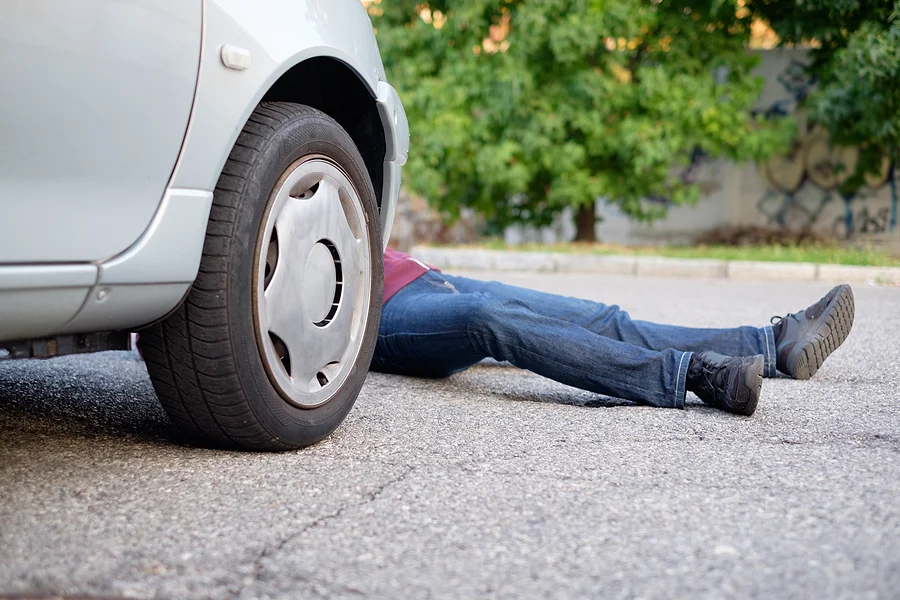 Under Penal Code 192(c), vehicular manslaughter occurs when a driver, while operating a vehicle, commits an unlawful act (not amounting to a felony) or a lawful act in a dangerous manner, and that conduct causes the death of another person. The driver must have acted with either ordinary or gross negligence, but never with intent to kill.
That absence of intent is what separates manslaughter from murder. Manslaughter is a form of homicide committed without “malice aforethought.” It also differs from voluntary and involuntary manslaughter in one key way: vehicular manslaughter always involves the operation of a vehicle. Common real-world examples include a driver who texts behind the wheel and strikes a bicyclist, or a speeding motorist who loses control and kills a passenger.
Is Vehicular Manslaughter the Same as Vehicular Homicide?
Yes, for practical purposes. “Vehicular homicide” is a general term used in many states, while California law specifically uses the term “vehicular manslaughter” under Penal Code 192(c). If the fatal collision involved alcohol or drugs, however, the case is charged under a separate statute, Penal Code 191.5, and the potential penalties increase significantly.
The Three Types of Vehicular Manslaughter in California
Penal Code 192(c) breaks vehicular manslaughter into three distinct offenses, based on the driver’s level of negligence and purpose:
- Vehicular manslaughter with gross negligence (PC 192(c)(1)). The driver acted with reckless disregard for human life, such as street racing through an intersection or driving 80 mph in a 40 mph zone.
- Vehicular manslaughter with ordinary negligence (PC 192(c)(2)). The driver was simply careless, for example by briefly glancing at a phone or failing to stop completely at a stop sign, and someone died as a result.
- Vehicular manslaughter for financial gain (PC 192(c)(3)). The driver intentionally caused a collision to file a fraudulent insurance claim, and the staged crash unintentionally killed someone. This is the most serious form and is always a felony.
Note that fatal crashes involving an intoxicated driver are not charged under this statute. Those cases fall under Penal Code 191.5 as DUI causing death, which carries harsher penalties than any form of PC 192(c) vehicular manslaughter.
Ordinary Negligence vs. Gross Negligence: What’s the Difference?
Ordinary negligence is everyday carelessness, a mistake in judgment or a momentary lapse in attention that a reasonably careful person would not have made. Gross negligence goes much further. A driver acts with gross negligence when they behave so recklessly that they create a high risk of death or great bodily injury, and a reasonable person would have known that acting that way creates such a risk.
The distinction matters enormously. Ordinary negligence caps the charge at a misdemeanor, while gross negligence opens the door to a felony filing and state prison. Rolling through a stop sign is ordinary negligence; weaving through traffic at twice the speed limit is gross negligence. Much of the fight in a vehicular manslaughter case happens along this line.
What Must the Prosecutor Prove? (Elements of the Crime)
To convict a driver of vehicular manslaughter, the prosecution must prove every one of the following elements beyond a reasonable doubt:
- While driving a vehicle, the defendant committed a misdemeanor or an infraction, or performed an otherwise lawful act in a manner that could cause death;
- That act was dangerous to human life under the circumstances;
- The defendant acted with ordinary negligence (for PC 192(c)(2)) or gross negligence (for PC 192(c)(1)); and
- The negligent conduct caused the death of another person.
Causation is often the most contested element. It is not enough that an accident would not have happened “but for” the defendant driving that day. The prosecution must show the defendant’s conduct was the proximate cause of death, meaning the death was the natural and probable result of the negligent act. Where another driver’s conduct, a pedestrian’s own actions, road conditions, or a mechanical failure contributed to the fatality, the causal chain can break, and with it, the prosecution’s case.
Is Vehicular Manslaughter a Felony or a Misdemeanor?
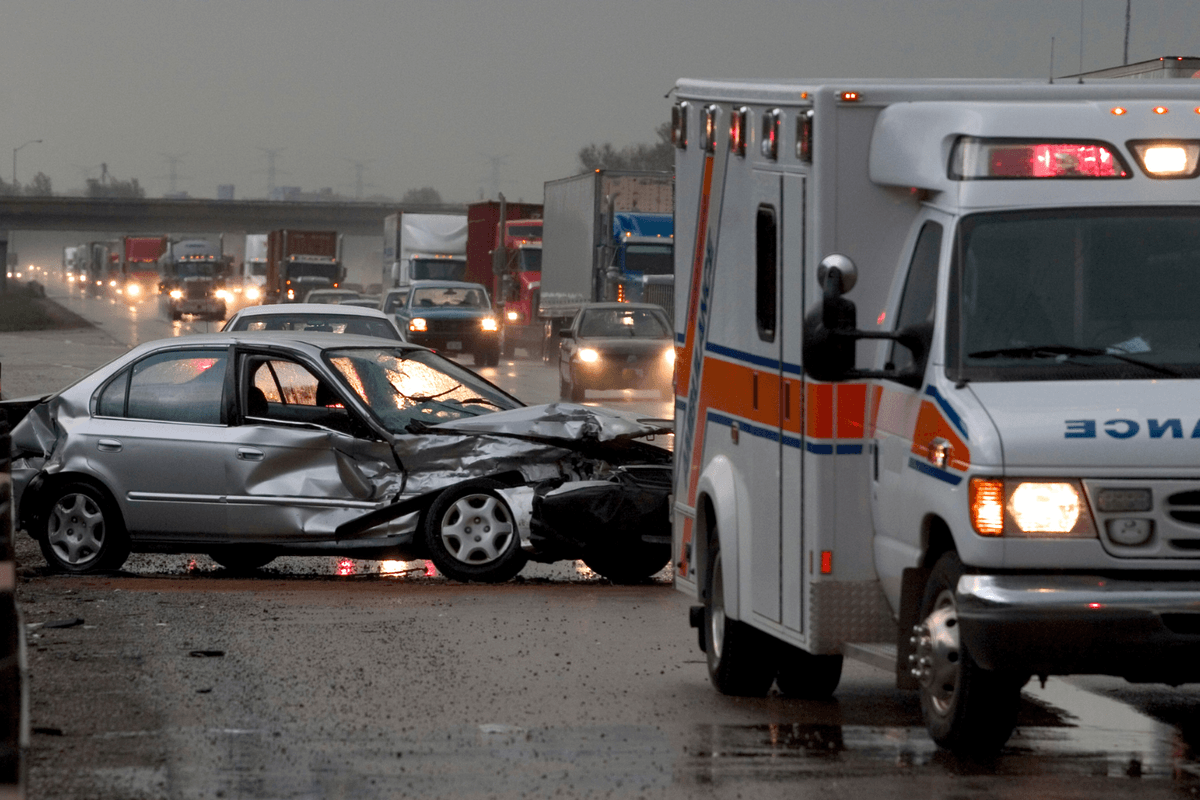 Vehicular manslaughter can be either, because it is a “wobbler” under California law. Ordinary negligence vehicular manslaughter under PC 192(c)(2) is always a misdemeanor. Gross negligence vehicular manslaughter under PC 192(c)(1) can be filed as a misdemeanor or a felony at the prosecutor’s discretion, and vehicular manslaughter for financial gain is always a felony.
When deciding how to charge a wobbler, prosecutors typically weigh the degree of recklessness involved, the defendant’s criminal record and driving history, whether the driver fled the scene, and the overall circumstances of the crash. Early intervention by a defense attorney, before charges are formally filed, can sometimes influence that decision in the driver’s favor.
Penalties and Sentencing for Vehicular Manslaughter in California
The penalties for vehicular manslaughter depend on which subsection of Penal Code 192(c) is charged and whether the offense is filed as a misdemeanor or a felony:
| Charge | Classification | Penalty |
| PC 192(c)(2): ordinary negligence | Misdemeanor | Up to 1 year in county jail; fines up to $1,000 |
| PC 192(c)(1): gross negligence | Wobbler (misdemeanor or felony) | Up to 1 year in county jail, or 2, 4, or 6 years in state prison |
| PC 192(c)(3): for financial gain | Felony | 4, 6, or 10 years in state prison |
Several additional consequences can attach to a conviction. If the driver fled the scene after the collision, Vehicle Code 20001(c) adds a five-year sentencing enhancement. Courts also routinely order victim restitution, and a felony conviction carries collateral consequences such as the loss of firearm rights and lasting damage to employment and professional licensing prospects.
Will I Lose My Driver’s License?
Yes, in most felony cases. The DMV will revoke your driver’s license following a conviction for gross vehicular manslaughter, with revocation lasting three years in many cases. Driving on a revoked license during that period is itself a crime. For misdemeanor convictions, suspension is possible depending on the facts of the case and your driving record.
Common Defenses Against Vehicular Manslaughter Charges
A fatal accident is not automatically a crime, and an aggressive defense can mean the difference between a felony conviction, a reduced charge, or a dismissal. Depending on the facts, a vehicular manslaughter attorney may raise defenses including:
- You were not negligent. Accidents happen even when everyone drives carefully. If your conduct did not fall below the standard of a reasonably careful driver, there is no manslaughter.
- Your negligence was not gross negligence. Reducing a gross negligence allegation to ordinary negligence takes a felony off the table entirely.
- Your conduct did not cause the death. Accident reconstruction experts can show that another vehicle, the victim’s own actions, or road and weather conditions were the true cause of the fatality.
- You faced a sudden emergency. California law only requires drivers to act reasonably under the circumstances. Swerving to avoid a child or an oncoming car is not criminal negligence, even if the maneuver ends tragically.
- You were not the driver. In some multi-occupant crashes, the prosecution cannot prove beyond a reasonable doubt who was behind the wheel.
Vehicular Manslaughter vs. DUI Manslaughter vs. Watson Murder
California treats fatal crashes very differently depending on whether alcohol or drugs were involved. Standard vehicular manslaughter under PC 192(c) applies to sober drivers. When the driver was intoxicated, prosecutors charge Penal Code 191.5: either gross vehicular manslaughter while intoxicated, which carries 4, 6, or 10 years in prison, or vehicular manslaughter while intoxicated with ordinary negligence. You can read more about how these cases work in our guide to DUI resulting in death.
In the most serious cases, a fatal DUI can be charged as second-degree murder under the “Watson rule.” This typically applies to repeat DUI offenders who were previously warned, through a formal Watson advice, that impaired driving can kill. Because a Watson case is filed under California’s murder statute, it carries 15 years to life in prison, which is why the line between manslaughter and murder is often the single most important battleground in a fatal collision case.
Frequently Asked Questions About Vehicular Manslaughter
How Many Years Do You Get for Vehicular Manslaughter in California?
A misdemeanor conviction carries up to one year in county jail. Felony vehicular manslaughter with gross negligence carries 2, 4, or 6 years in state prison, and vehicular manslaughter for financial gain carries 4, 6, or 10 years. Probation without jail time is also possible in many misdemeanor and some felony cases.
Can Vehicular Manslaughter Charges Be Dropped or Reduced?
Yes. Prosecutors frequently reduce felony charges to misdemeanors when the defense shows the driver’s conduct amounted to ordinary rather than gross negligence, and charges can be dismissed entirely when causation or negligence cannot be proven. The earlier a defense attorney gets involved, the more opportunities exist to challenge the evidence.
Is Vehicular Manslaughter a Strike in California?
Vehicular manslaughter under PC 192(c) is generally not a strike under California’s Three Strikes law. However, gross vehicular manslaughter while intoxicated under PC 191.5(a) is a serious felony that counts as a strike, and any manslaughter charge involving great bodily injury allegations can carry strike consequences. An attorney should evaluate the specific charges in your case.
Can I Be Charged If My Passenger Died?
Yes. Vehicular manslaughter applies to the death of any person caused by your negligent driving, including a passenger in your own vehicle, an occupant of another car, a motorcyclist, a bicyclist, or a pedestrian.
What’s the Difference Between Vehicular Manslaughter and Involuntary Manslaughter?
Both are unintentional killings, but vehicular manslaughter always involves the operation of a vehicle and is charged under its own statute, PC 192(c). Involuntary manslaughter under PC 192(b) covers unintentional killings that occur in other contexts. In fact, the statute expressly excludes acts committed while driving a vehicle.
Charged With Vehicular Manslaughter in Los Angeles? We Can Help
The line between a misdemeanor, a felony, and even a murder charge often comes down to how negligence and causation are argued, and those arguments begin long before trial. The criminal defense team at Manshoory Law Group has decades of combined experience defending vehicular manslaughter, DUI, and homicide cases throughout Southern California.
If you or a loved one is under investigation or has been charged, contact Manshoory Law Group 24/7 for a free consultation. The sooner we begin building your defense, the better your chances of protecting your record, your license, and your freedom.