
Santa Monica draws millions of visitors a year to its pier, beach, and shopping streets, and its police department concentrates patrols where those crowds gather. Many criminal charges in Santa Monica follow a recognizable pattern: where you were tends to predict what you are charged with, and whether you live here or are only visiting shapes how the case can be handled.
What follows covers the offenses that come up most often, how local enforcement differs from nearby areas, and what to expect after a charge, especially if you live outside California.
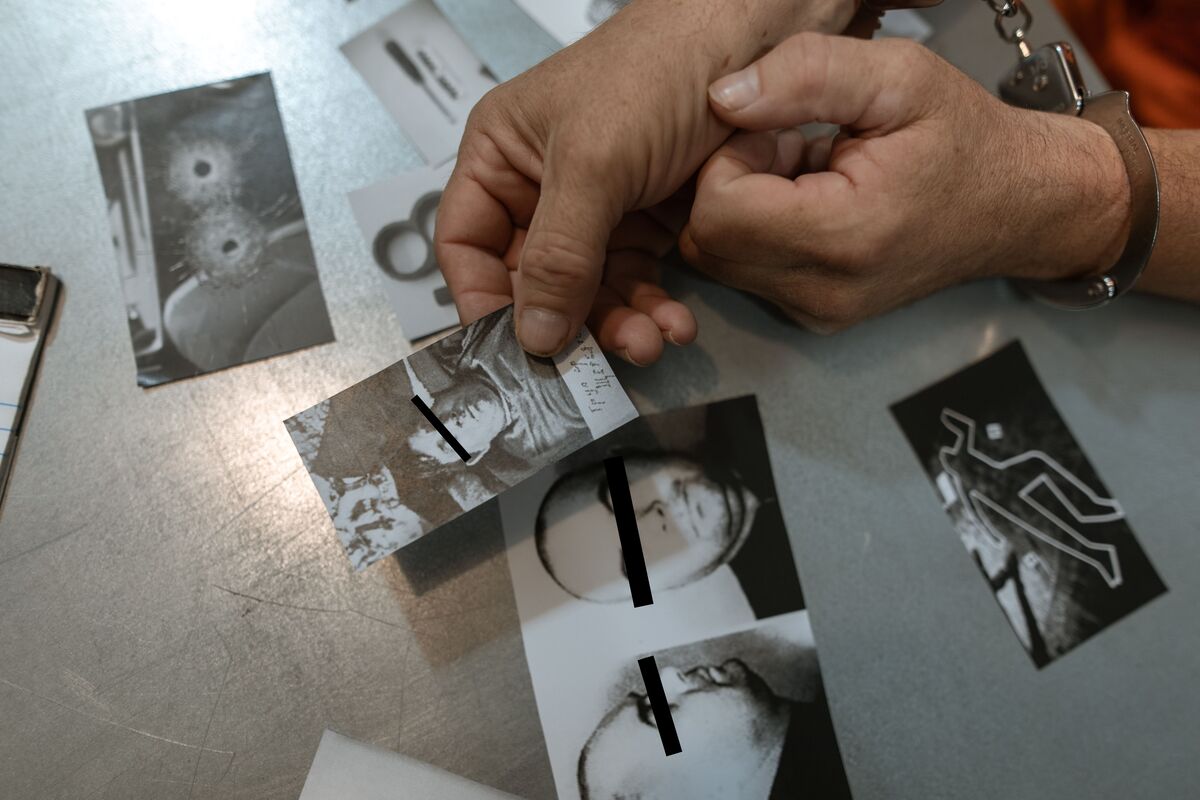
How Location Predicts the Charge in Santa Monica
Arrests cluster in predictable places, and the setting often shapes which offense is charged.
Third Street Promenade: Theft and Shoplifting
Dense retail traffic means loss-prevention staff, plainclothes security, and cameras covering most of the sales floor. Most cases here are charged as shoplifting under California Penal Code 459.5, which for most people is a misdemeanor when the goods are worth $950 or less. Higher values can lead to grand theft charges, and since Proposition 36 took effect in late 2024, prosecutors can add together the value of separate thefts and charge some repeat offenses as felonies. Taking items to resell them can also bring organized retail theft charges. How petty and grand theft charges are separated, and what each one risks, is the first thing worth understanding after a retail arrest.
The Pier and Beach: Public Intoxication and Open Container
Alcohol rules are enforced firmly near the water. Local ordinances restrict drinking on the beach and the pier, and an open container violation is usually cited as an infraction. Public intoxication is more serious. Under Penal Code 647(f), officers can arrest someone who appears too intoxicated to care for themselves or who is blocking a sidewalk or other public way, and that charge is a misdemeanor. Either case escalates when a fight, an argument with an officer, or a prior record is added, and a confrontation that turns into resisting or obstructing an officer can bring a separate charge under Penal Code 148.
PCH and Ocean Avenue: DUI Arrests
Late-night traffic along Pacific Coast Highway, Ocean Avenue, and the approach from the 10 freeway produces steady DUI stops, especially on summer weekends. A DUI starts two cases at once: the criminal charge and a separate DMV action against your license with a 10-day deadline, which gives it the shortest clock of any offense on this list.
Apartments and Hotels: Domestic Violence and Disturbance Calls
Noise and disturbance calls from rentals, hotels, and short-term stays often end in arrests for domestic battery under Penal Code 243(e)(1) or corporal injury under Penal Code 273.5, sometimes based on one person’s account at the scene. Under Penal Code 836, officers can make a domestic violence arrest without a warrant when they find probable cause, even if they did not witness the incident, so a disputed argument can still lead to charges. Officers can also request an emergency protective order at the scene, which can require someone to leave their home or hotel immediately, and a criminal protective order is usually issued at the first court date.
Why Santa Monica Enforces Differently Than Nearby Cities
Santa Monica runs its own police department, while neighboring Malibu and West Hollywood contract with the Los Angeles County Sheriff’s Department for policing. That keeps enforcement here focused on city priorities and highly visible. Officers patrol the beach, bike paths, and downtown on foot and bicycle, so small public order matters such as public intoxication get noticed in a way they might not elsewhere in the county.
The city also has its own City Attorney’s office, which generally prosecutes misdemeanors, while the Los Angeles County District Attorney handles felonies. That split matters. Local prosecutors tend to emphasize quality-of-life offenses, and their approach to diversion, reductions, and plea terms can differ from the District Attorney’s. Knowing who holds your file tells you what is realistic to ask for.
Enforcement also changes with the calendar. Summer weekends, holiday crowds, and large events bring extra patrols and checkpoints, so the same behavior that passes unnoticed in February can lead to a citation in July.
If your arrest happened during a busy period, the conditions around it, such as crowding, lighting, and how many officers were present, can matter when the evidence is reviewed. A packed scene at night, for example, can make it harder for officers and witnesses to say exactly who did what.
What to Expect If You Do Not Live in California
Many cases here involve visitors, and the practical problem is distance. The good news is that for most misdemeanors you do not have to return for every hearing. An attorney can appear on your behalf, enter a plea, negotiate with the prosecutor, and in many cases resolve the matter without you coming back at all. Felonies are different and generally require your presence at key stages.
If you were arrested while traveling, you will likely be released with a citation and a court date. Leaving the state does not make it go away. A missed date produces a bench warrant that stays on your record, appears in future background checks, and can complicate later travel to the United States. Manshoory Law Group’s Santa Monica defense team regularly handles appearances for clients who live elsewhere, so the case can move forward without repeated trips.
Non-citizens should raise their status before anything is decided. A conviction can carry immigration or visa consequences that an arrest alone does not, and a plea that looks minor on paper can matter a great deal later. Immigration counsel should review the options before any plea is entered.
It also helps to gather records while you are still in town. Hotel receipts, rental agreements, rideshare histories, and photos with timestamps can establish where you were and what happened, and they are much harder to collect from another state after the trip ends. Save your citation, your booking paperwork, and the contact details of anyone who saw the incident before you travel home.
How the Charge You Face Determines Your Realistic Options
Two people arrested on the same night can have very different paths, because the charge controls what is available.
First-time, nonviolent offenses such as shoplifting or public intoxication are often good candidates for pretrial diversion, where completing classes, community service, or restitution leads to dismissal. Offenses involving violence or injury are rarely eligible, and DUI generally is not. When diversion is off the table, the next goals are usually a reduction to a lesser offense or a negotiated outcome that avoids jail and protects your record.
Evidence shapes the rest. A shoplifting case can be contested when intent is unclear, such as a self-checkout error or an item forgotten in a cart, or when identification rests on a blurry video. A domestic violence case often turns on conflicting accounts and what actually happened before police arrived. In those situations, taking the case to trial may be a realistic option rather than a last resort.
The right path depends on the facts, your record, and for some people your immigration status. That is why the first conversation with a defense attorney is usually about the details, not a template.
Frequently Asked Questions
Can visitors resolve a Santa Monica case remotely?
In most misdemeanor cases, yes. California law lets a defendant appear through counsel, and Penal Code 977 governs when a personal appearance is required. Felony cases and certain hearings still need you present, so ask your attorney before making travel plans.
Does an arrest here affect travel or a visa?
An arrest by itself is not a conviction, but it can come up when you apply for a visa or cross a border, and questions about arrests are common on immigration forms. A conviction carries heavier consequences. Get advice that covers both the criminal case and your immigration situation before resolving anything.
What is the difference between a citation and a custodial arrest?
A citation is a written promise to appear in court that lets you leave without being booked. A custodial arrest means you were taken into custody, fingerprinted, and booked, and then usually released on bail or your own recognizance. Both start a criminal case, and a citation should be taken just as seriously because ignoring it leads to a warrant.
Charged in Santa Monica? Get a Free Case Analysis
What you do in the first days, from how you respond to the citation to who handles your appearances, shapes how the whole case unfolds. Waiting usually narrows your options rather than widening them.
If you have been arrested or cited in Santa Monica, contact Manshoory Law Group for a free case analysis at (877) 977-7750. Available 24/7.