
The gap between a DUI arrest and a first court date is usually a few weeks, and most people spend it doing nothing because they assume nothing can be done yet. That assumption costs cases. The most important deadline in a California DUI expires long before your arraignment, and the evidence that decides these cases has to be requested while it still exists.
Here is what to understand about a Culver City DUI before you ever set foot in a courtroom.
How DUI Cases Work in Culver City
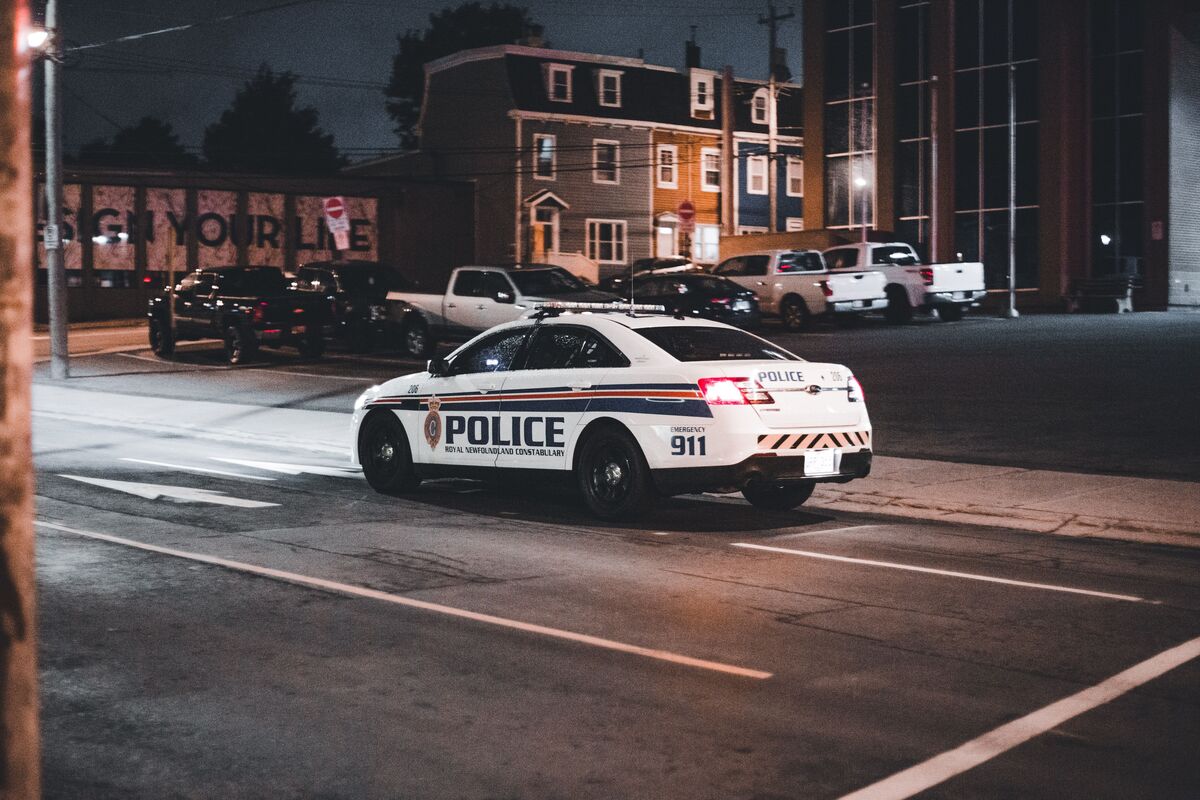
Culver City is policed by its own department and sits at the intersection of several major routes, including the 405 and the 10, with a dense restaurant and studio district that generates evening traffic. Arrests here follow the standard California pattern: a traffic stop, roadside observation, field sobriety tests, and a chemical test after arrest.
The charge itself comes from state law. Prosecutors typically file two counts from one arrest: driving under the influence, and driving with a BAC of 0.08 percent or higher. A conviction on either produces the same sentence. Notably, you can be convicted of the first count without ever exceeding 0.08 percent, because impairment can be proven through observation. The National Highway Traffic Safety Administration documents measurable impairment at levels well below the legal threshold, and prosecutors use that reality to support observation-based cases.
What to Do Before Your First Court Date
The period between arrest and arraignment is often relatively short, but several important and time-sensitive steps can take place during this window. Two areas require particular attention: protecting your driving privileges through the DMV process and preserving the facts, evidence, and records that may later shape your defense. Acting promptly on both can help ensure that important deadlines are not missed and that relevant evidence is identified and preserved before it becomes more difficult to obtain.
Request Your DMV Hearing Within 10 Days
This is the step that cannot wait. Your arrest triggered an administrative action against your license that is entirely separate from the criminal case. You have 10 days from the arrest date to request a hearing with the DMV Driver Safety Office.
Requesting it does three things: it stays the suspension while the hearing is pending; it forces the DMV to prove reasonable cause, lawful arrest, and a BAC at or above 0.08 percent; and it puts the arresting officer under oath months before any trial. If you do nothing, the suspension begins automatically roughly 30 days after arrest, and winning the criminal case later will not undo it.
Gather Records and Avoid Common Mistakes
Write down everything you remember while it is fresh: what you ate and drank and when, how long you were stopped, what the officer said, where the tests were performed, and the surface and lighting conditions. Preserve receipts, rideshare records, and the names of anyone who was with you.
Then avoid the mistakes that damage cases. Do not discuss the arrest on social media. Do not contact the arresting officer. Do not miss your court date, which converts a manageable case into a bench warrant. And do not assume that pleading guilty at arraignment gets it over with faster, because it forfeits every option before anyone has read the discovery.
Where Culver City DUI Cases Are Heard
Culver City DUI cases are filed in Los Angeles County Superior Court. Westside DUI cases, including those arising in Culver City, Santa Monica, Venice, and El Segundo, have historically been heard at the Airport Courthouse on South La Cienega Boulevard near LAX, which is one of the busiest criminal courthouses in the county.
Assignments do shift as the court reorganizes its calendars, so the location and time printed on your citation are what control. The Superior Court of Los Angeles County publishes current courthouse information, and confirming it before your date avoids appearing at the wrong building.
Penalties for a DUI Conviction in Culver City
California law scales DUI penalties according to the circumstances of the offense, including whether it is a first-time misdemeanor, a repeat offense, or a case involving additional aggravating factors. The potential consequences can vary significantly depending on the classification of the offense and the facts alleged, including prior DUI convictions, injuries, or other circumstances that may increase the level of exposure. Understanding where a particular case falls within this framework is an important first step before evaluating potential plea options, sentencing consequences, or other ways of resolving the case.
First-Offense Penalties
A first misdemeanor DUI conviction generally carries three to five years of informal probation, fines and penalty assessments that commonly total more than $2,000, a three-month alcohol education program, a six-month license suspension, and an ignition interlock device requirement to drive on a restricted license. County jail up to six months is authorized but seldom imposed absent aggravating facts.
Probation carries its own conditions, and violating them creates a new problem on top of the original case. Understanding the standard conditions of probation before accepting a plea prevents a manageable sentence from turning into a custody hearing.
Repeat and Aggravated DUI Penalties
Priors count over a 10-year window measured arrest to arrest. A second offense brings mandatory jail time, an 18- or 30-month alcohol program, and a two-year suspension. A third brings a longer minimum term, a 30-month program, and a three-year revocation.
Aggravating factors escalate any offense level: a BAC of 0.15 percent or higher, refusal of the chemical test, driving more than 20 miles per hour over the limit on a surface street or 30 over on a freeway, causing an accident, or having a passenger under 14 in the vehicle. A DUI becomes a felony when another person is injured, when the driver has three or more priors within 10 years, or when there is a prior felony DUI.
What Happens at Your First Court Date
Arraignment is short. The charges are read, you enter a plea, and the court confirms release conditions and sets the next date. For a misdemeanor DUI, your attorney can usually appear on your behalf so you do not have to be there at all.
What follows is where the case is actually decided. Your attorney requests discovery, reviews the police report against any video, obtains breath machine calibration and maintenance records or blood analysis documentation, and identifies the specific weaknesses worth litigating. Motions to suppress may be filed. Negotiations proceed across several pretrial appearances, and most cases resolve in this phase rather than at trial.
Common Defenses in Culver City DUI Cases
- Illegal stop. Without reasonable suspicion of a violation, the stop fails and the evidence that follows can be suppressed.
- Improper vehicle search. Officers need a legal basis to search a car, whether that is consent, probable cause, or a warrant, and the rules governing when police can search your vehicle are narrower than most drivers assume.
- Rising blood alcohol. A test administered after the stop can reflect a higher level than existed while driving.
- Breath device malfunction. Machines require documented calibration and accuracy checks, and missing records undermine the reading.
- Blood sample degradation. Insufficient preservative, poor storage, or a broken chain of custody produces unreliable numbers.
- Field sobriety test conditions. Sloped pavement, poor lighting, footwear, injuries, and ordinary nervousness all affect performance in ways the report rarely notes.
Frequently Asked Questions About Culver City DUI Charges
Do I have to appear in person for a misdemeanor DUI?
Usually not. California law generally allows counsel to appear on your behalf for misdemeanor charges, including most court dates in a DUI case. Certain hearings and sentencing may require your presence, and felony charges require you to appear.
How long will my Culver City DUI case take?
Most misdemeanor cases resolve within three to six months of arraignment. Cases involving contested motions, unusual test evidence, or a trial setting take longer. The Airport Courthouse carries a heavy calendar, which affects scheduling.
Will a DUI show up on my record and background checks?
Yes. It appears as a misdemeanor conviction on criminal background checks, stays on your DMV record for 10 years, and counts as a prior for that period. After probation you may be eligible for expungement in California, which removes the conviction for most private employment purposes though not from your driving record.
Can charges be reduced or dismissed before trial?
Yes, and most favorable outcomes happen exactly there. The common reduction is a wet reckless, which lowers fines, shortens probation, cuts the alcohol program to 12 hours, and avoids the conviction-based suspension. Dismissals follow successful suppression motions or evidentiary failures.
Facing DUI Charges in Culver City? Get a Free Case Analysis
The most valuable work in a DUI case happens before the first court date, while the DMV window is still open and the records are still retrievable.
If you have been charged with a DUI in Culver City, contact Manshoory Law Group for a free case analysis at (877) 977-7750. Available 24/7.