
Inglewood has changed considerably. SoFi Stadium, the Intuit Dome, and the Kia Forum now draw crowds on a scale the city did not see a decade ago, and event traffic on the 405 and 105 corridors has brought a corresponding increase in DUI enforcement. Game nights and concert nights in particular bring saturation patrols to the streets surrounding the stadium district.
If you have been charged, the weeks before your first court date matter more than most people realize. Here is what to understand and what to do with that time.
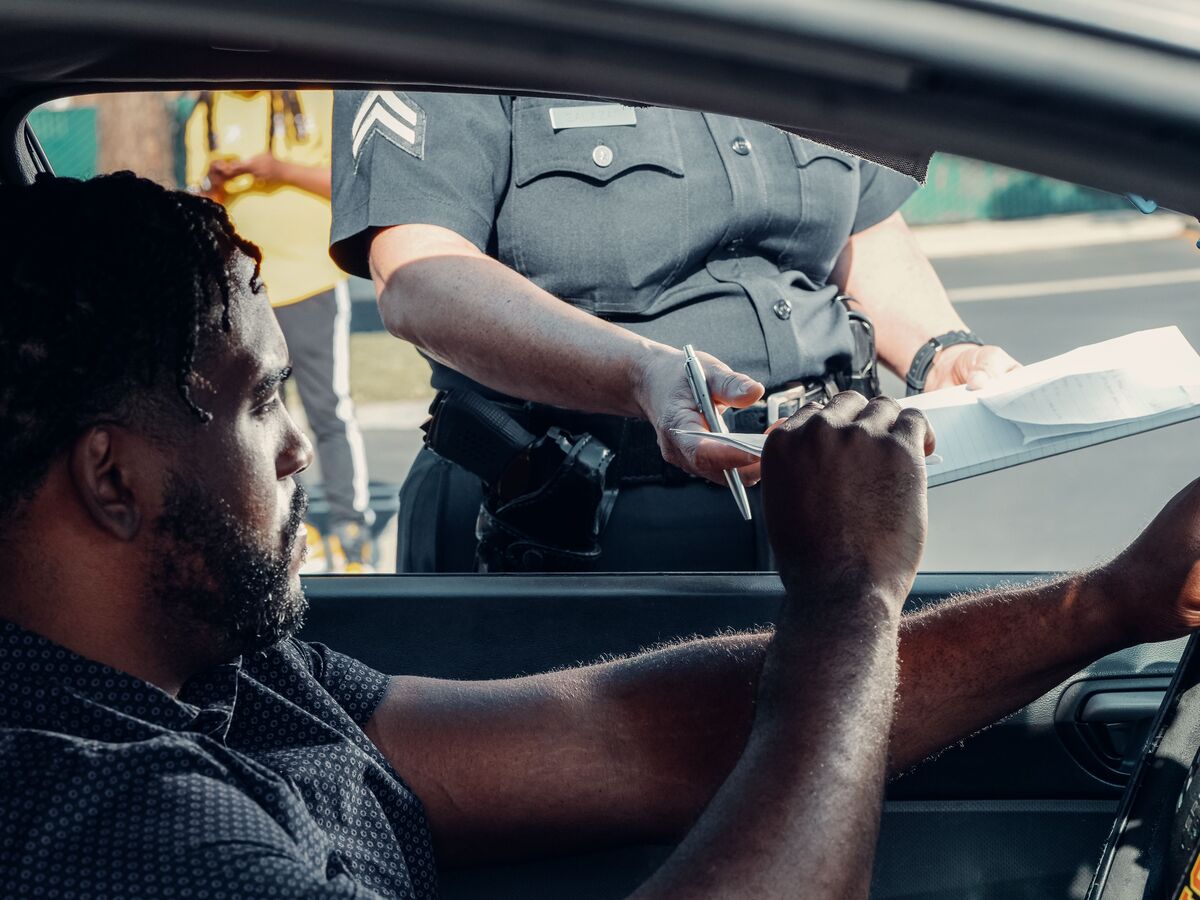
How DUI Cases Work in Inglewood
Inglewood is patrolled by its own police department, and DUI cases are charged under state law rather than any local ordinance. Prosecutors typically file two counts from one arrest: driving under the influence, and driving with a BAC of 0.08 percent or higher. Both come from Vehicle Code 23152, and a conviction on either produces the same sentence.
The first count deserves attention because it does not require a specific number. If an officer concludes your driving was impaired, you can be charged on observation alone, which is why arrests happen at readings below the legal limit and why cases built on driving pattern and demeanor are common after events.
Lower thresholds apply to some drivers. Commercial license holders face 0.04 percent, rideshare drivers carrying passengers face 0.04 percent, and anyone under 21 faces a 0.01 percent zero tolerance standard.
What to Do Before Your First Court Date
The interval between arrest and arraignment is not simply a waiting period. Two separate processes are already moving forward at the same time: the administrative DMV action involving your driving privileges and the criminal case that will proceed through the court system. Each follows its own timeline, deadlines, and procedures, and the steps taken during these first days can affect both processes before your attorney ever appears in court. Promptly identifying those deadlines, preserving relevant evidence, and addressing the DMV process can help prevent important opportunities from being lost while the criminal case is still in its earliest stages.
Request Your DMV Hearing Within 10 Days
Your arrest opened two separate cases. The criminal case brings you to court weeks from now. The administrative case against your license started immediately, and you have 10 days from the arrest to request a hearing from the DMV Driver Safety Office.
That request stays the suspension while the hearing is pending and requires the DMV to establish reasonable cause, a lawful arrest, and a qualifying BAC. Skip it and the suspension takes effect on its own about 30 days after arrest, regardless of how the court case ends. The odds are not guaranteed, but understanding your actual chances of winning a DMV hearing makes clear why requesting one is worth doing even in difficult cases.
Avoid the Mistakes That Hurt DUI Cases
Write down what you remember now: what you consumed and when, how long the stop lasted, where the tests were performed, and the lighting and surface conditions. Save receipts, ticket stubs, and rideshare records.
Then avoid the errors that make cases worse. Do not post about the arrest. Do not miss a court date, which converts a routine case into a bench warrant. Do not let insurance or employment paperwork go unaddressed. And do not plead guilty at arraignment to get it over with, since that surrenders every option before the evidence has been reviewed.
Where Inglewood DUI Cases Are Heard
Inglewood DUI cases are filed in Los Angeles County Superior Court and have historically been heard at the Inglewood Courthouse on Regent Street, which primarily handles misdemeanor matters for Inglewood and surrounding communities. Felony DUI cases may be assigned to a different courthouse depending on the charges, court assignment, and current county calendar. Because Los Angeles County has periodically consolidated and reassigned criminal calendars, the courthouse location listed on your citation or official court notice should be treated as the controlling information for your case.
Before your scheduled appearance, confirm the court address, date, and time using your citation and the court’s current records. Appearing at the wrong courthouse can result in a failure to appear if you do not appear at the court where your case is actually scheduled. Taking a few minutes to verify the location in advance can help prevent an avoidable missed appearance and the additional legal consequences that may follow.
Penalties for a DUI Conviction in Inglewood
Penalties in Inglewood follow the statewide sentencing framework established by the California Vehicle Code, but the potential consequences in an individual DUI case can vary significantly based on the defendant’s prior record, the specific charges, and any aggravating or mitigating circumstances involved. Factors such as prior DUI convictions, alleged injuries, or other circumstances may affect the applicable penalties and the way the case is resolved. The ranges discussed below describe the consequences that a conviction may typically carry under the applicable law and are intended as a general framework, not a prediction or guarantee of the sentence in any particular case.
First-Offense Penalties
A first misdemeanor conviction generally brings three to five years of informal probation, fines and penalty assessments commonly exceeding $2,000, a three-month alcohol education program, a six-month license suspension, and an ignition interlock device requirement to drive on a restricted license. Six months in county jail is authorized but rarely imposed on a clean record without aggravating facts.
The financial impact extends well past the courtroom, since the program fees, interlock lease, SR 22 filing, and multi year insurance increases typically exceed the fine itself. A realistic accounting of what a DUI charge costs is usually the part that surprises people most.
Repeat and Aggravated DUI Penalties
Priors count over a 10-year period measured from arrest to arrest. A second conviction brings mandatory jail, an 18- or 30-month alcohol program, and a two-year suspension. A third brings a longer minimum term, a 30-month program, and a three-year revocation.
Aggravating factors raise the exposure at any level: a BAC of 0.15 percent or higher, refusal of the chemical test, excessive speed, causing an accident, or driving with a child under 14 in the vehicle. A DUI can become a felony when another person is injured, when the driver has three or more prior DUI convictions within 10 years, or when there is a prior felony DUI.
What Happens at Your First Court Date
Arraignment is brief. The charges are read, a plea is entered, and the next date is set. For a misdemeanor DUI, your attorney can generally appear on your behalf, which matters if you cannot afford to miss work.
The substance of the case follows. Discovery arrives, including the police report, body camera and dash camera footage, breath instrument calibration and maintenance logs, blood analysis records, and the officer’s training documentation. Motions to suppress are filed where the stop or testing is vulnerable. Negotiations run across several appearances, and most cases resolve during this phase rather than at trial. Statewide court procedures and self help resources are published by the California Courts if you want to understand the framework independently.
Common Defenses in Inglewood DUI Cases
- No reasonable suspicion for the stop. An unjustified stop can lead to suppression of everything discovered afterward.
- Event related enforcement problems. Saturation patrols and checkpoints must follow specific rules, and the operational records showing compliance are discoverable.
- Rising blood alcohol. A test taken after the stop can show a level higher than what you had while driving.
- Breath instrument reliability. Calibration intervals, accuracy checks, and operator certifications are documented and frequently incomplete.
- Blood evidence problems. Preservative levels, storage conditions, fermentation, and chain of custody all affect accuracy, and split sample retesting is available.
- Field sobriety test conditions. Roadside grade, lighting, footwear, injuries, and nerves all affect performance, and reports rarely record any of it.
Frequently Asked Questions About Inglewood DUI Charges
Do I have to appear in person for a misdemeanor DUI?
Usually not. California law generally permits counsel to appear on your behalf for misdemeanor charges. Some hearings and sentencing may require your presence, and felony charges require you to appear personally.
Will I lose my license after an Inglewood DUI arrest?
Not automatically, but the DMV will suspend it unless a hearing is requested within 10 days of the arrest. Even if a suspension takes effect, most first offenders can obtain a restricted license by installing an interlock device, enrolling in a DUI program, and filing SR 22 insurance.
Can my Inglewood DUI be reduced to a wet reckless?
Often. A wet reckless plea reduces fines, shortens probation to one to three years, cuts the alcohol program to 12 hours, and avoids the mandatory suspension attached to a DUI conviction. It still counts as a prior DUI for 10 years, and prosecutors offer it where the BAC is borderline and the defense has identified a genuine evidentiary weakness.
How long will my case take?
Most misdemeanor DUI cases resolve within three to six months of arraignment. Contested suppression motions, disputed chemical evidence, or a trial setting extend that timeline, and felony cases take substantially longer.
Arrested for DUI in Inglewood? Speak With a Defense Lawyer
The DMV window closes 10 days after arrest, and the records that decide these cases have to be requested before anyone can argue about them.
If you are facing DUI charges in Inglewood, contact Manshoory Law Group for a free case analysis at (877) 977-7750. Available 24/7.