
Few places in Los Angeles County concentrate nightlife the way West Hollywood does. The Sunset Strip, Santa Monica Boulevard, and the Melrose corridor put thousands of people into bars and restaurants within a two-square-mile city every weekend, and law enforcement plans around it. That combination produces a steady volume of DUI arrests, many involving people who had two drinks over three hours and never expected to be handcuffed.
Here’s what happens after that arrest, laid out in the order it unfolds, from the roadside stop to the DMV clock to the first day in court.
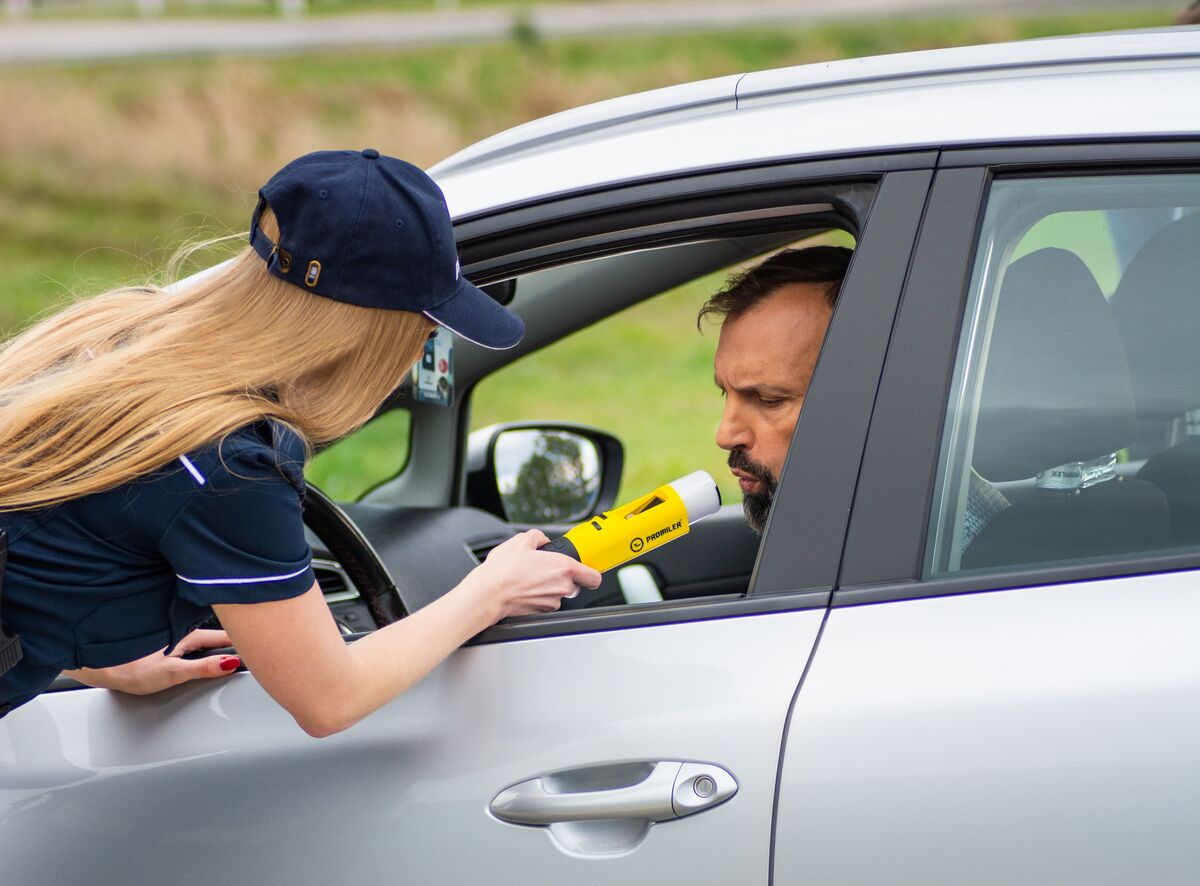
DUI Enforcement in West Hollywood and Hollywood
West Hollywood contracts with the Los Angeles County Sheriff’s Department for law enforcement, while neighboring Hollywood is policed by the LAPD. The two are different jurisdictions despite sitting next to each other, and which agency arrests you affects which prosecutor handles the case and which courthouse it lands in.
Both areas see targeted enforcement on weekend nights: saturation patrols along the Strip, checkpoints announced in advance, and heavy attention to the streets feeding out of the entertainment districts after closing time. California requires DUI checkpoints to satisfy specific constitutional requirements covering supervisory decision-making, a neutral formula for stopping vehicles, adequate signage and lighting, reasonable detention length, and advance publicity. Checkpoints that depart from those rules produce arrests that can be challenged.
Volume enforcement also means volume paperwork, and reports written quickly at 2 a.m. often contain the inconsistencies that later become the defense.
What Happens Right After a West Hollywood DUI Arrest?
The first hours after a DUI arrest generally follow a fairly predictable sequence, from booking and release to the start of the court and DMV processes, but each step can involve its own deadlines, requirements, and potential consequences. Knowing what happens at each stage can help you understand which decisions require immediate attention and which issues can be addressed later as the case moves forward.
The Stop, Testing, and Booking
The typical sequence is a stop for a minor violation, a conversation at the window, a request to step out, and a set of field sobriety tests on the sidewalk. Those roadside tests are voluntary for most drivers, as is the handheld preliminary alcohol screening device. The chemical test after a lawful arrest is not voluntary, and refusing it carries a mandatory one-year license suspension and a sentencing enhancement.
You are then transported for booking and usually released within a few hours on bail or a promise to appear. It is worth knowing that officers can and do arrest people whose BAC turns out to be below 0.08 percent, because impairment can be charged on observation alone. It genuinely is possible to get a DUI after a single glass of wine if the officer builds the case on driving pattern and demeanor.
The 10-Day DMV Deadline
The officer confiscates your driver’s license and provides a temporary license along with an order notifying you of the administrative suspension process. From the date of the arrest, you generally have 10 days to request a DMV hearing to contest the proposed suspension. There is no grace period for missing this deadline, and you should not expect an automatic reminder from the DMV before the window closes. If you do not request the hearing within the required period, the administrative suspension may proceed according to the DMV’s schedule, regardless of what happens later in the criminal court case.
Where West Hollywood DUI Cases Go to Court
West Hollywood cases are filed in Los Angeles County Superior Court. Because the city is served by the Sheriff’s Department and sits within the West District, cases have historically been heard at the Beverly Hills Courthouse, while Hollywood arrests made by LAPD are typically handled at the Hollywood Courthouse or another downtown location.
Branch assignments in Los Angeles County have shifted repeatedly in recent years as the court has consolidated calendars, so treat the date and address printed on your citation as authoritative and verify it on the court’s website rather than relying on older guidance.
The Court Process, Step by Step
Once charges are formally filed, the case moves through a series of standard court hearings and procedural stages before reaching a resolution. Each hearing serves a different purpose, from confirming the charges and addressing procedural matters to reviewing evidence, evaluating potential resolutions, and preparing for trial when necessary. Understanding what happens at each stage can help you know what to expect, recognize important deadlines, and understand when decisions or legal action may be required as the case progresses.
Arraignment
Arraignment is generally the first formal court appearance in a DUI case. At this hearing, the charges are stated or confirmed, the defendant enters a plea, and the court addresses any applicable bail or release conditions. In many misdemeanor DUI cases, an attorney may be permitted to appear on the defendant’s behalf, although the specific requirements can vary depending on the court and circumstances of the case.
Entering a not guilty plea at arraignment is common and does not mean the case will necessarily proceed to trial. It generally preserves the defendant’s ability to contest the charges while the defense reviews the prosecution’s evidence and evaluates the available options. Discovery may include reports, test results, recordings, and other evidence relevant to the allegations. Once that information has been reviewed, the defense can make a more informed assessment of whether to continue contesting the charges, pursue a negotiated resolution, or prepare for trial.
Pretrial Conferences and Negotiations
The pretrial phase is the real substance of the case. Discovery includes the report, video, breath machine records, blood documentation, and the arresting deputy’s training file. Motions can challenge the stop, the detention, or the admissibility of the test.
If your case came out of a checkpoint, this is where the checkpoint’s operational records become relevant, including the supervisory plan, the stopping formula, the signage, and the advance notice. Cases often improve substantially once those records arrive. A misdemeanor DUI generally resolves within three to six months, though the timeline from charge to court varies with the courthouse and the complexity of the motions filed.
DUI Penalties You Face in West Hollywood
A first misdemeanor conviction typically brings three to five years of informal probation, total fines and assessments often above $2,000, a three-month alcohol program, a six-month license suspension, and an ignition interlock for restricted driving. Six months in county jail is authorized but rarely imposed on a clean record.
Enhancements attach for a BAC of 0.15 percent or higher, a refusal, excessive speed, a collision, or a passenger under 14. Second offenses within 10 years carry mandatory jail, an 18- or 30-month program, and a two-year suspension. Drivers under 21 face a separate zero-tolerance framework with its own suspension consequences.
Cannabis is worth a specific mention here. There is no per se THC limit in California, so marijuana DUI cases rest almost entirely on officer observation and drug recognition evaluation, which makes them both more subjective and, often, more defensible than alcohol cases.
Common Defenses in West Hollywood DUI Cases
- Checkpoint irregularities. Failure to follow the required constitutional criteria can invalidate the stop entirely.
- No reasonable suspicion for a traffic stop. A stop that lacked legal justification taints everything after it.
- Rising blood alcohol. Testing an hour after driving can overstate your level at the wheel, especially after a late drink.
- Breath machine reliability. Calibration logs, accuracy checks, and operator certifications frequently show gaps.
- Blood testing problems. Preservative levels, storage, fermentation, and chain of custody all affect results, and split-sample retesting is available.
- Contradiction between video and report. Body camera footage regularly undercuts the written narrative of slurred speech or unsteady balance.
Frequently Asked Questions About West Hollywood DUI Charges
Are DUI checkpoints common in West Hollywood?
Yes, particularly on holiday weekends and during heavy nightlife periods along the Sunset Strip. California requires checkpoints to be publicized in advance and operated under specific rules, and departures from those rules create grounds to challenge the arrest.
Can I drive after a West Hollywood DUI arrest?
Usually yes for about 30 days on the temporary license the officer issues. Requesting a DMV hearing within 10 days extends your driving privilege until that hearing is decided.
Can my DUI be reduced to a wet reckless?
Frequently. A wet reckless plea reduces the fines, shortens probation, cuts the alcohol program to 12 hours, and avoids the automatic license suspension attached to a DUI conviction. It remains a priorable offense for 10 years.
What if this is my second DUI?
A second offense within 10 years carries a minimum jail term, an 18 or 30 month alcohol program, a two year suspension, and much less prosecutorial flexibility. These cases require early and aggressive work on the evidence, since the negotiating room is narrower. The DUI defenses that carry weight matter more, not less, on a second offense.
Arrested for DUI in West Hollywood? Talk to a Defense Attorney
The 10-day DMV deadline runs whether or not anyone reminds you, and checkpoint records and calibration logs do not preserve themselves. Early involvement is what makes these cases winnable.
If you are facing DUI charges in West Hollywood, contact Manshoory Law Group for a free case analysis at (877) 977-7750. Available 24/7.