
Most first offenders in California can get back on the road after a DUI, and one of the two restricted license options carries no waiting period at all. For anyone who depends on a car to get to work, take care of family, or manage daily responsibilities, that is welcome news, because a suspension does not have to mean months without driving.
The catch is that the two options work very differently, the paperwork has to be completed in a specific order, and a single missing document sends you home from the DMV empty-handed. One path gives you broad driving freedom but requires an ignition interlock device. The other avoids the device but comes with a waiting period and strict limits on where you can go. Choosing the wrong one, or showing up unprepared, can cost you weeks.
Here is what you actually need, how to apply, how long the restriction lasts, and how to choose between the two paths.
Can You Drive After a DUI in California?
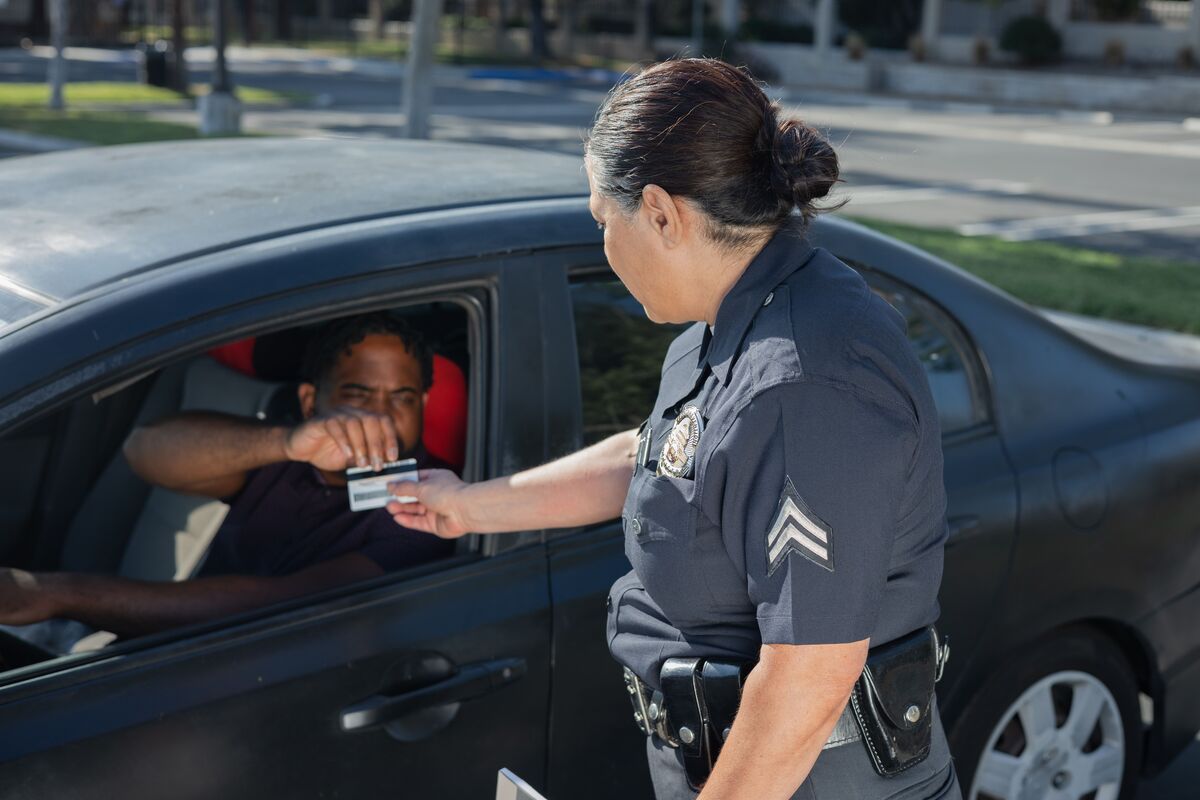
Not immediately, but usually soon. A DUI arrest can trigger two separate suspensions. The DMV’s administrative suspension begins about 30 days after arrest unless you request a hearing within 10 days of the arrest date. A second, court-ordered suspension follows if you are convicted. A restricted license lets you drive under defined conditions while whichever of those suspensions is active runs its course.
The 10-day hearing request is the first fork in the road. If you win the hearing, the administrative suspension never takes effect, and you may not need a restricted license at all unless you are later convicted. Understanding your realistic chances of winning a DMV hearing shapes everything that follows, because a restricted license is what you need when the suspension cannot be avoided.
Your Two Restricted License Options: IID vs. Work-Only
Most eligible first offenders can choose between two restricted licenses, and the right one depends on whether you need to drive right away and how far beyond work and DUI school your driving needs to go.
The two options are built around different trade-offs. One gives you broad freedom to drive but requires an ignition interlock device in your car, along with the installation and monthly fees that come with it. The other skips the device entirely, but you have to go without driving for a period first and then accept tight limits on where you can go once the license is issued. Neither is better in every case. The right choice depends on your schedule, your family obligations, your budget, and how much disruption you can absorb in the weeks after your suspension begins.
It also helps to know that this choice is not always yours to make. Your eligibility for each path depends on the facts of your case, including whether alcohol or drugs were involved, whether anyone was injured, and whether you have prior DUIs on your record. For a typical first-time, alcohol-related offense with no injuries, both options are usually on the table. Here is how each one works in practice.
IID Restricted License: Drive Anywhere, No Waiting Period
With an ignition interlock device installed in your vehicle, an eligible first offender can apply for a restricted license without serving any period of hard suspension first. That means no month of finding rides or relying on family. Once the device is installed and your paperwork is in order, you can apply and get back on the road.
The device is a small breath-testing unit wired into your ignition by a state-certified installer. It requires a breath sample before the engine starts and at random intervals while driving, so no one else can start the car for you. Every result, including failed or missed tests, is recorded, and you will need to bring the vehicle in for regular calibration appointments.
The restriction is on the vehicle, not the destination. You can drive anywhere, at any time, for any purpose, as long as the car you are driving has the device. That includes commuting, school runs, medical appointments, personal errands, weekend trips, and emergencies. The trade-off is that you cannot drive a friend’s car, a rental, or a work vehicle unless it also has a certified device installed.
Work and DUI School Restricted License: No Device, 30-Day Wait
The alternative requires no interlock device but comes with two limits. First, you must serve a period of hard suspension before you become eligible, typically 30 days for a first offense, during which you cannot drive for any reason. That means arranging rides, using public transit, or relying on family and coworkers for the entire month.
Second, once issued, the license permits only three kinds of trips: to and from work, driving required by your job during working hours, and to and from your DUI program. The route should be reasonably direct, and an officer who stops you can ask where you are going and why.
Nothing else is allowed: not the grocery store, not a child’s school, not a doctor’s office. Even a quick stop on the way home from work falls outside the restriction. The upside is that you avoid the cost and inconvenience of an interlock device, and you can drive any vehicle, as long as every trip fits within those three categories.
Which Option Should You Choose?
The decision usually comes down to three questions. Do you need to drive in the next 30 days? Do you need to drive anywhere other than work and DUI school? And can you absorb the cost of the device?
The interlock path costs more up front. Installation plus monthly leasing and calibration fees commonly add up to several hundred dollars or more over the restriction term, and the device logs every test. Drivers with lower incomes may qualify for reduced device fees, which providers in California are required to offer. In return, the interlock restores something close to normal driving immediately.
The work-only path is cheaper and device-free, but it demands a month without driving, followed by months of trips you have to be able to justify to any officer who stops you. For most people whose jobs, families, or commutes are not perfectly simple, the interlock option is the practical choice. For someone with a short, predictable commute and another driver in the household, the work-only option can make sense.
Drug-only DUI cases are handled differently. Because the interlock device detects alcohol but not drugs, drivers convicted of a drug-only DUI generally cannot use the interlock path, which usually leaves the work-only license as the available option.
What You Need to Qualify for a Restricted License
Regardless of which path you take, the DMV requires the same core items:
- Age and license status. You must be 21 or older and must have held a valid California license at the time of arrest.
- Enrollment in a licensed DUI program. For most first offenses, this is the three-month course. A first offender with a BAC of 0.20% or higher is typically required to complete a nine-month program, and courts may order the longer program in other cases. The program files proof of enrollment directly with the DMV.
- An SR 22 certificate. Your insurer files this with the DMV to confirm you carry the required liability coverage. Not every carrier issues SR 22 filings, and premiums rise substantially.
- Proof of interlock installation, if you are taking that path, from a certified installer.
- No other active suspensions or revocations on your record.
Certain circumstances disqualify you or change the terms. A chemical test refusal generally blocks a restricted license during the refusal suspension. Drivers under 21 fall under California’s zero-tolerance rules, which carry a one-year suspension and much narrower restricted license options. Injury cases and repeat offenses carry longer waits and mandatory device terms, covered below.
How to Apply for a Restricted License: Step by Step
The application runs through the DMV, not the court, and the sequence matters.
- Enroll in a DUI program and confirm the provider has sent your proof of enrollment to the DMV.
- Obtain an SR 22 from your insurer and confirm it has been filed. Filing is done by the carrier, not by you.
- Install the interlock device, if applicable, and get the installer’s verification form.
- Serve the waiting period if you are taking the work-only path.
- Apply in person at a DMV field office (appointment recommended) with ID, your DL 920 interlock form if applicable, and the fees: $125 during the administrative suspension, or $55 plus a $15 restriction fee after a conviction.
Fee amounts, form numbers, and program lengths change periodically, so check the California DMV’s website or call ahead to confirm the current requirements before your visit. Bringing everything on the first trip matters, because the office will not process an incomplete application.
How Long the Restriction Lasts (First, Second, and Third Offense)
Both the waiting period and the restriction term scale with your record. The following reflects typical alcohol related, non injury cases:
- First offense, no injury. On the DMV administrative suspension, you can get an interlock restricted license immediately, or serve a 30-day hard suspension and then drive on a work-and-DUI-school restriction. After a court conviction, you choose between a six-month interlock restriction with full driving privileges and a one-year restricted license limited to work and your DUI program.
- First offense with injury. An interlock device is mandatory, and the work-only option is not available.
- Second offense within 10 years. An interlock device is mandatory for one year. Installing it lets you get a restricted license without first waiting out the suspension, and the work-only option is generally not available.
- Third offense within 10 years. An interlock device is mandatory for two years, and the work-only option is not available.
- Drug-only DUI. A first offense does not qualify for the interlock path. Repeat offenders convicted of a drug-only DUI must generally serve 12 months of hard suspension before they can apply for an interlock restricted license.
Because these terms are set by statute and adjusted by legislation, confirm the current figures for your situation with the DMV or your attorney.
Rules for Driving on a Restricted License
The restriction is enforced strictly, and many people who lose theirs do so through carelessness rather than intent.
On an interlock restriction, you may only drive vehicles equipped with a device. That excludes a friend’s car, a rental, and an unequipped work vehicle. The device also records every failed, missed, or skipped test and reports them to the DMV, and everyday items like mouthwash or a pastry made with alcohol can register. Knowing how many interlock violations you can accumulate before the restriction is revoked matters from the day the device goes in.
On a work-only restriction, carry proof of employment and program enrollment in the car, because an officer who stops you will ask why you are on the road. A trip outside the permitted categories is a violation even if it was on the way home from work.
On either path, letting your SR 22 lapse or dropping out of your DUI program triggers automatic notification to the DMV and restarts the full suspension. Driving on a suspended license in California is a separate misdemeanor with its own fines and mandatory jail time, and it seriously complicates any pending case.
Frequently Asked Questions About DUI Restricted Licenses
Can you get a restricted license if you refuse the chemical test?
Generally no. Refusing the chemical test after a lawful arrest triggers a separate one-year suspension that does not allow a restricted license during its term. This is one of the practical reasons a refusal case carries consequences well beyond the added penalties, since the driver has no path back onto the road while that suspension runs.
Can you get a restricted license after a second DUI?
Yes, but with a longer wait and a mandatory interlock device. Second offenders typically serve roughly 90 days of hard suspension before applying and must keep the device for about a year. The work-only option is generally not available on a second offense.
Can commercial drivers get a restricted license?
A restricted license does not restore commercial driving privileges. If you hold a commercial license, a DUI conviction affects that privilege separately, and drivers arrested while operating a commercial vehicle face further restrictions. Anyone whose income depends on a CDL needs to address this before entering a plea.
Do you need a restricted license after a wet reckless?
Sometimes. A wet reckless conviction carries no court-ordered suspension, but the DMV administrative suspension is separate. If you lost or did not request the DMV hearing, that suspension still applies and a restricted license may be needed, though the term is typically shorter than after a DUI conviction.
How long do you have to keep SR-22 insurance?
Typically three years from the start of the suspension. A lapse at any point in that period triggers automatic notice to the DMV and a new suspension, so the policy has to be maintained continuously rather than filed once.
How do you get your full license back?
Full reinstatement requires completing your DUI program, maintaining SR 22 coverage, finishing any interlock term, clearing every outstanding suspension, and paying the reinstatement fee. The DMV issues the reinstatement once each requirement is documented.
Facing a License Suspension After a DUI? Talk to a Defense Attorney
The best restricted license is the one you never need, and that depends on the 10-day DMV hearing request and on what charge you are ultimately convicted of. A reduction to a lesser offense changes the length and type of restriction you face, which is why the criminal case and the license consequences have to be handled together rather than separately.
If you are facing a DUI and a license suspension in Southern California, contact Manshoory Law Group for a free case analysis at (877) 977-7750. Available 24/7.