
A wet reckless is one of the most common ways a California DUI case gets resolved without an actual DUI conviction. It is a plea bargain, not a separate crime, and for most drivers it is a meaningfully better outcome than pleading to a DUI: less potential jail time, lower fines, shorter probation, and no mandatory license suspension triggered by the conviction. It is still a misdemeanor, however; it still adds two points to your driving record, and it still counts as a prior DUI for 10 years. The comparison below explains exactly what a wet reckless plea would mean for you.
What Is a Wet Reckless Under California Law?
 A wet reckless is a reduced charge that resolves a DUI case through a negotiated plea. The prosecutor dismisses the original DUI charge, and the defendant pleads to reckless driving with an alcohol or drug notation under Vehicle Code 23103.5. The statute requires the prosecution to state a factual basis on the record, including whether alcohol or drugs were involved. Because of that notation, the conviction is “priorable”: it counts as a prior DUI if you are arrested for another DUI within ten years.
Can You Be Arrested for a Wet Reckless?
No. Police cannot arrest you for a wet reckless, and prosecutors cannot file it as an original charge. It exists only as a plea reduction in a DUI case. You are first arrested and charged with DUI; the wet reckless becomes available only if the prosecutor agrees to offer it and the court accepts the plea.
Why Is It Called a “Wet” Reckless?
The “wet” refers to the alcohol or drug notation attached to the reckless driving conviction. A standard reckless driving conviction under VC 23103 with no notation is informally called a “dry reckless.” The difference matters: a dry reckless is not priorable and does not count against you as a prior DUI, while a wet reckless does. A dry reckless is the better outcome, but prosecutors offer it far less often in DUI cases.
Wet Reckless vs. DUI: How the Penalties Compare
The table below compares a first-offense misdemeanor DUI with a wet reckless plea in California.
| Factor | First-Offense DUI (VC 23152) | Wet Reckless (VC 23103.5) |
| Offense level | Misdemeanor | Misdemeanor |
| Maximum jail time | Up to 6 months in county jail | 5 to 90 days in county jail |
| Base fine | $390–$1,000 (often $2,000+ with penalty assessments) | As low as $145 base fine; total costs substantially lower |
| Probation | 3 to 5 years of informal probation | 1 to 3 years of informal probation |
| DUI school | 3 to 9 months (up to 30 months for repeat offenses) | 12-hour program (about 6 weeks) |
| Court-triggered license suspension | Mandatory suspension (6 months for a first offense) | No mandatory suspension from the conviction itself |
| Ignition interlock device | Generally required for restricted driving | Not mandatory, though the court has discretion to order one |
| DMV points | 2 points | 2 points |
| Counts as a prior DUI? | Yes, for 10 years | Yes, for 10 years |
| Insurance impact | Significant increases; loss of good driver discount | Often treated like a DUI by insurers, but flagged for a shorter period |
Note that fines, probation terms, and IID requirements vary by county and by the facts of the case. In Los Angeles County, for example, courts have historically required IID installation after a DUI conviction but not after a wet reckless.
Is a Wet Reckless Better Than a DUI?
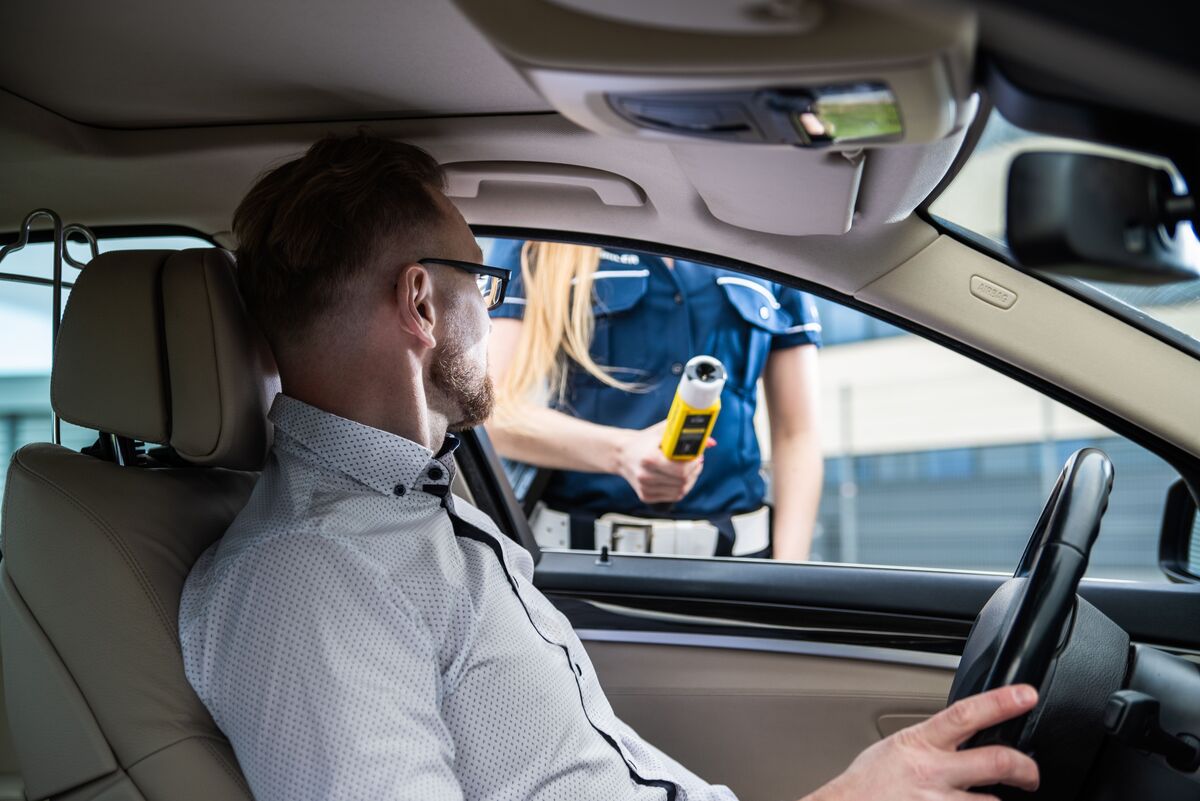 Yes, in nearly every direct comparison, a wet reckless is better than a DUI conviction. The maximum jail exposure drops from six months to ninety days, total fines and fees are often cut roughly in half, probation is shorter, and the required alcohol program shrinks from a minimum of three months to a 12-hour course completed over about six weeks. Just as importantly, you can truthfully say that the DUI charge against you was dismissed.
The main advantages of a wet reckless plea include:
- No mandatory license suspension from the conviction. A DUI conviction triggers a mandatory suspension; a wet reckless does not (though the DMV can still act separately, as explained below).
- No automatic ignition interlock device. An IID is not mandatory after a wet reckless, although the court has discretion to order one for three to six months.
- Shorter probation. One to three years of informal probation instead of three to five, which also means you become eligible for expungement sooner.
- Lower fines and costs. DUI fines with penalty assessments commonly exceed $2,000; wet reckless totals are substantially lower.
- Shorter alcohol education program. A 12-hour program instead of the 3-to-9-month DUI school required after a DUI conviction.
- Softer impact on employment and professional licenses. A reckless driving conviction generally reads better on a background check than a DUI, and licensing boards for nurses, contractors, and other professionals often treat it less harshly. Always confirm with your specific licensing board before accepting any plea.
The Drawbacks of a Wet Reckless
A wet reckless is a better outcome than a DUI, but it is not a clean escape. Before accepting one, understand what it does not fix:
- It is still a misdemeanor conviction. A wet reckless appears on your criminal record until it is expunged and can show up on background checks.
- It counts as a prior DUI for ten years. If you are arrested for DUI again within ten years, the wet reckless is treated as a first DUI, and the new case is prosecuted as a second offense with enhanced penalties.
- It adds two points to your DMV record. These are the same two points a DUI adds, and they can contribute to a negligent operator suspension if you accumulate others.
- Insurance companies often treat it like a DUI. Expect higher premiums and the loss of any good driver discount, typically for at least three years after the conviction appears on your motor vehicle record.
- It does not resolve the DMV case. The court case and the DMV license action are separate proceedings, which is one of the most misunderstood parts of a California DUI.
When Will a Prosecutor Offer a Wet Reckless?
 Prosecutors offer a wet reckless when a DUI case has weaknesses that make trial risky, or when the facts fall at the low end of the DUI spectrum. Common scenarios include:
- A borderline BAC. Test results at or near 0.08%, where a rising-BAC argument or the breath machine’s margin of error creates reasonable doubt.
- A clean record. A first offense with no prior alcohol-related convictions.
- No accident or injury. Cases without a collision, injuries, or aggravating factors such as a child passenger or very high speeds.
- Evidence problems. A questionable traffic stop, improperly administered field sobriety tests, breathalyzer calibration issues, or gaps in the officer’s observations.
You are not automatically entitled to a wet reckless; it must be negotiated. This is where a DUI defense attorney earns their fee: by identifying the weaknesses in the prosecution’s case and using them as leverage, sometimes to obtain a wet reckless, sometimes a dry reckless, and sometimes an outright dismissal.
What Happens to Your Driver’s License?
A wet reckless conviction does not trigger a court-ordered license suspension, but that only resolves half the problem. When you are arrested for DUI in California, the DMV opens a separate “administrative per se” action against your license, and you have only 10 days from the arrest to request a DMV hearing. If you do not request the hearing, or you lose it, the DMV can suspend your license for four months on a first offense regardless of how the court case ends.
In other words, a wet reckless plea protects you from the conviction-based suspension but not from the arrest-based DMV suspension. If the DMV suspends your license, you may still be able to keep driving by installing an ignition interlock device and obtaining a restricted license. Fighting the DMV hearing and negotiating the court case are two parallel battles, and both deadlines start running the moment you are arrested.
Frequently Asked Questions About Wet Reckless in California
Does a wet reckless show up on a background check?
Yes. A wet reckless is a misdemeanor reckless driving conviction, and it will appear on a criminal background check until it is expunged. Most employers, however, will see “reckless driving” rather than “DUI,” which is generally viewed less negatively.
How long does a wet reckless stay on your record?
A wet reckless stays on your criminal record indefinitely unless it is expunged, remains on your DMV record for ten years, and counts as a prior DUI for ten years measured from arrest date to arrest date. For insurance purposes, most carriers raise rates for about three years after the conviction appears on your driving record.
Can a wet reckless be expunged in California?
Yes. Once you complete probation, you can petition under Penal Code 1203.4 to have the conviction set aside and dismissed. Because wet reckless probation is shorter than DUI probation, you become eligible for expungement sooner. Expungement clears the conviction for most private employment purposes, but it does not remove the offense from your DMV record or stop it from counting as a prior DUI.
Does a wet reckless count as a DUI for insurance?
Usually, yes. Most insurers treat a wet reckless the same as a DUI when setting rates, because the alcohol notation appears on your motor vehicle record. Expect premium increases and the loss of a good driver discount, though the impact typically fades faster than it would after a DUI conviction.
Can a DUI be reduced to a dry reckless instead?
Sometimes. A dry reckless, reckless driving with no alcohol notation, is a better outcome because it is not priorable. Prosecutors typically reserve it for the weakest DUI cases, such as those with a BAC below 0.08% or serious proof problems. If your case has strong defenses, your attorney may push past the wet reckless offer toward a dry reckless or a dismissal.
Should You Accept a Wet Reckless Plea?
It depends on the strength of the case against you. If the evidence is solid and a DUI conviction is likely, a wet reckless is almost always worth taking: it reduces nearly every penalty and keeps a DUI off your record. But if the stop was unlawful, the testing was flawed, or your BAC was genuinely borderline, accepting the first wet reckless offer may mean settling for a conviction you could have beaten entirely.
Before you plead to anything, have an experienced DUI defense attorney review the police report, the stop, and the chemical test evidence. The right answer might be the wet reckless or it might be something better. If you have been arrested for DUI in Southern California, contact Manshoory Law Group for a free case analysis at (877) 977-7750. The 10-day DMV deadline does not wait.