
A DUI case in Burbank has a shape to it. There is an arrest, an administrative fight over your license that starts immediately, an arraignment, a stretch of pretrial appearances where the actual work happens, and a resolution. Knowing that shape in advance is what separates people who make good decisions from people who react to each court date as it arrives.
The sections below follow that sequence in order, with the deadlines that matter marked clearly.
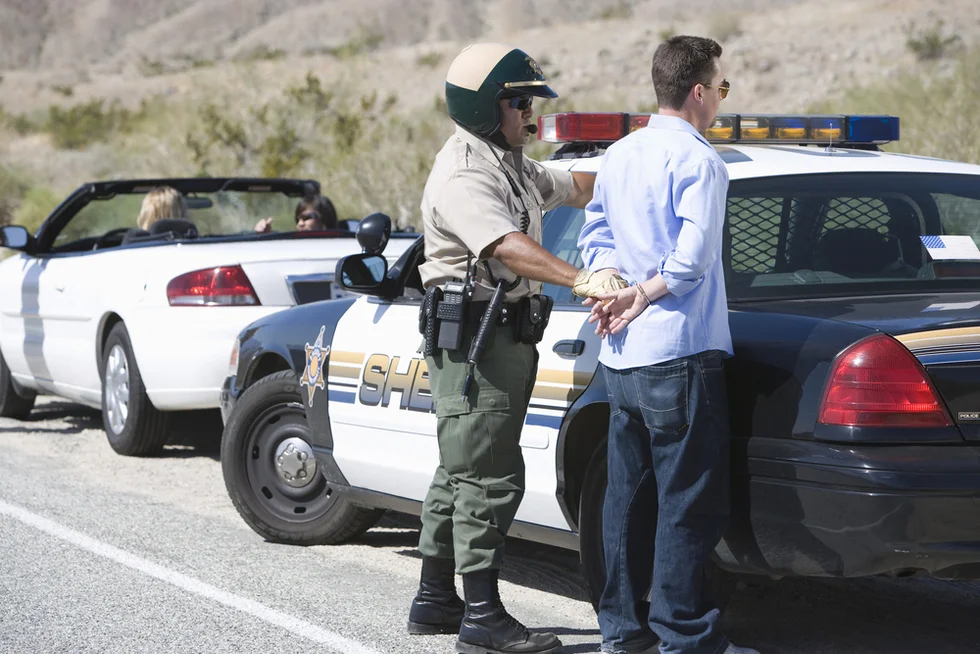
DUI Enforcement in Burbank: What to Know
The Burbank Police Department patrols a city that carries an unusual amount of pass-through traffic for its size. The 5, the 134, and the 170 all run through the city, Hollywood Burbank Airport sits at its northern edge, and the studio district and Magnolia Park corridor generate steady evening activity. Burbank also participates in regional DUI enforcement funded through statewide traffic safety grants, which means periodic checkpoints and saturation patrols on holiday weekends.
The California Office of Traffic Safety coordinates much of that funded enforcement across the state. For drivers, the practical meaning is simple: enforcement here is not random. It is scheduled and concentrated, and holiday weekends carry meaningfully higher arrest risk.
What Happens After a Burbank DUI Arrest?
Two separate processes begin when you are arrested for DUI, and they proceed on different tracks with different deadlines and potential consequences. One is the criminal case, which moves through the court system and addresses the charges brought against you. The other is the DMV’s administrative action concerning your driving privileges, which can begin immediately after the arrest and does not wait for your first court appearance or the outcome of the criminal case. Understanding the distinction between these two processes is important because taking action in one does not automatically resolve or protect you from consequences in the other.
Booking and Release
After the roadside investigation and arrest, you are generally transported for booking and may be held until you are considered safe to release, often after the effects of alcohol or drugs have subsided. In many cases, release occurs within several hours, either after bail is posted or on a written promise to appear, depending on the charges and circumstances. Before leaving, you typically receive a citation or other paperwork identifying your first court date, along with a temporary paper driver’s license or temporary driving document that relates to the separate DMV process.
Felony DUI arrests, including cases involving an alleged injury to another person, can follow a different procedural track. These cases may involve formal bail proceedings, additional court appearances, and a substantially longer timeline, with the specific process depending on the charges, the alleged circumstances, and how the case is handled by the court.
The 10-Day DMV Deadline
The officer confiscates your license and serves you with an administrative order of suspension. That order starts a 10-day clock to request a hearing from the DMV Driver Safety Office. Nothing about the criminal case pauses it, and no one will remind you.
Requesting the hearing suspends the suspension while it is pending and forces the DMV to establish reasonable cause, a lawful arrest, and a BAC at or above 0.08 percent. It also produces sworn testimony from the arresting officer well before trial, which is often worth more to the defense than the hearing outcome itself.
The Burbank DUI Court Process, Step by Step
Once the citation or criminal complaint is formally filed, the case generally moves through several stages, beginning with an arraignment where the charges are formally stated and a plea is entered, followed by a pretrial phase in which the prosecution’s evidence is disclosed, reviewed, and challenged, and ultimately a resolution through a negotiated disposition or trial. The pretrial stage can be particularly significant because the defense may have opportunities to investigate the allegations, obtain and evaluate discovery, identify weaknesses in the prosecution’s evidence, raise legal issues, and discuss potential resolutions with the prosecution. As a result, many DUI cases are resolved before trial, although the specific outcome depends on the evidence, charges, prior record, and circumstances of the individual case.
Arraignment
Burbank DUI cases are filed in Los Angeles County Superior Court and have traditionally been handled at the Burbank Courthouse on East Olive Avenue. Court branch assignments can change periodically, however, so the court location and appearance information listed on your citation or other official court paperwork should be treated as controlling. Before appearing, it is important to verify the current courthouse, date, and time because changes in assignment or scheduling can affect where and when the case must be addressed.
At arraignment, the court formally addresses the charges, confirms the defendant’s identity and case status, and takes a plea. In many misdemeanor DUI cases, an attorney may be permitted to appear on the defendant’s behalf, although the applicable requirements can vary by court and case circumstances. A not guilty plea may be entered at this stage to preserve the defendant’s ability to contest the allegations while the defense obtains and reviews discovery. The plea itself does not determine whether the case will ultimately proceed to trial, be resolved through a negotiated disposition, or be handled through another available legal process.
Pretrial Conferences and Motions
This phase is the case. Discovery arrives: the arrest report, body camera and dash camera footage, breath instrument calibration and maintenance logs, blood analysis records, dispatch audio, and the officer’s training documentation. Your attorney compares the written narrative against the video and the machine records, looking for the specific inconsistency that gives the prosecutor a reason to move.
Motions to suppress evidence are filed here when the stop or the testing is vulnerable. Negotiations run across several appearances. Most Burbank DUI cases end during this phase.
Trial or Resolution
If no acceptable resolution is reached, the case may proceed to a jury trial, where the prosecution must prove the charges beyond a reasonable doubt. Many DUI cases are resolved before reaching trial, but understanding the trial process and being prepared to present a defense can provide important context when evaluating any plea offer. Knowing what to expect at trial can help you compare a proposed resolution with the potential trial process and make an informed decision based on the circumstances of your case rather than feeling pressured to decide without understanding the available alternatives.
DUI Penalties in Burbank
A first misdemeanor conviction typically brings three to five years of informal probation, fines and assessments frequently exceeding $2,000, a three-month alcohol education program, a six-month license suspension, and an ignition interlock requirement for restricted driving. The six month jail maximum exists but is rarely applied without aggravating facts.
Enhancements apply for a BAC of 0.15 percent or higher, refusal of the chemical test, excessive speed, causing a collision, or carrying a passenger under 14. A second offense within 10 years carries mandatory custody, an 18- or 30-month program, and a two-year suspension. A third escalates further.
Drug-based DUI charges follow the same statute but a very different evidentiary path. There is no per se limit for THC in California, so driving under the influence of marijuana is proven through officer observation and drug recognition evaluation rather than a number, which makes those cases more subjective on both sides.
Common Defenses in Burbank DUI Cases
- No lawful basis for the stop. Reasonable suspicion is required, and a failed stop can end the case entirely.
- Checkpoint defects. California checkpoints must satisfy specific rules on supervision, neutral stopping formulas, signage, duration, and advance publicity.
- Rising blood alcohol. Alcohol absorbed shortly before driving keeps rising, so the test can overstate your level at the wheel.
- Breath machine records. Calibration intervals, accuracy checks, and operator certification are all discoverable and often incomplete.
- Blood evidence. Preservative levels, storage conditions, fermentation, and chain of custody all bear on reliability, and split sample retesting is available.
- Field sobriety test conditions. Surface, lighting, footwear, injuries, weight, and anxiety all degrade performance in ways reports rarely record.
Reduced Charges: Wet Reckless and Other Outcomes
The most common favorable outcome is a reduction to a wet reckless, a plea to reckless driving with an alcohol notation. It cuts fines substantially, shortens probation to one to three years, reduces the alcohol program from three months to 12 hours, and avoids the mandatory license suspension a DUI conviction triggers. It does still count as a prior DUI for 10 years.
A dry reckless carries no alcohol notation and is not priorable, making it the better outcome, though prosecutors reserve it for genuinely weak cases. Dismissal follows a successful suppression motion or a collapse in the chemical evidence. Which outcome is realistic depends on the discovery, not on how sympathetic the circumstances are.
Frequently Asked Questions About Burbank DUI Charges
Which courthouse handles Burbank DUI cases?
Burbank cases are filed in Los Angeles County Superior Court and have historically been heard at the Burbank Courthouse. Because the court periodically reassigns calendars, verify the location printed on your citation before your date.
Can I keep driving after my arrest?
Generally yes for about 30 days on the temporary license issued at the scene. Requesting a DMV hearing within 10 days extends your driving privilege until that hearing is decided. If a suspension does take effect, a restricted license with an interlock device is usually available on a first offense.
What happens if I miss my court date?
The court can issue a bench warrant, which means you can be arrested at any traffic stop and your case becomes substantially harder to resolve favorably. If you have missed a date, your attorney can often appear and ask the court to recall the warrant before it causes further damage.
Do I need a lawyer for a first-time Burbank DUI?
A first offense still carries years of probation, a suspended license, thousands of dollars in costs, and a conviction that follows you for a decade. The evidence that produces reductions and dismissals, particularly calibration records and video, has to be requested and analyzed. That is difficult to do without counsel.
Arrested for DUI in Burbank? Speak With a Defense Lawyer
The DMV clock runs out 10 days after arrest, and machine records and footage are not preserved indefinitely. Early action is what creates options later.
If you are facing DUI charges in Burbank, contact Manshoory Law Group for a free case analysis at (877) 977-7750. Available 24/7.