
Evidence is the information people bring to court to show what happened. In many criminal cases, the proof falls into two buckets: proof that points straight to a fact and proof that needs a step of reasoning to connect the dots. The latter can feel confusing when first heard in a police report or courtroom.
Knowing the difference helps spot where the prosecution’s story relies on assumptions and where it relies on a direct account of events.
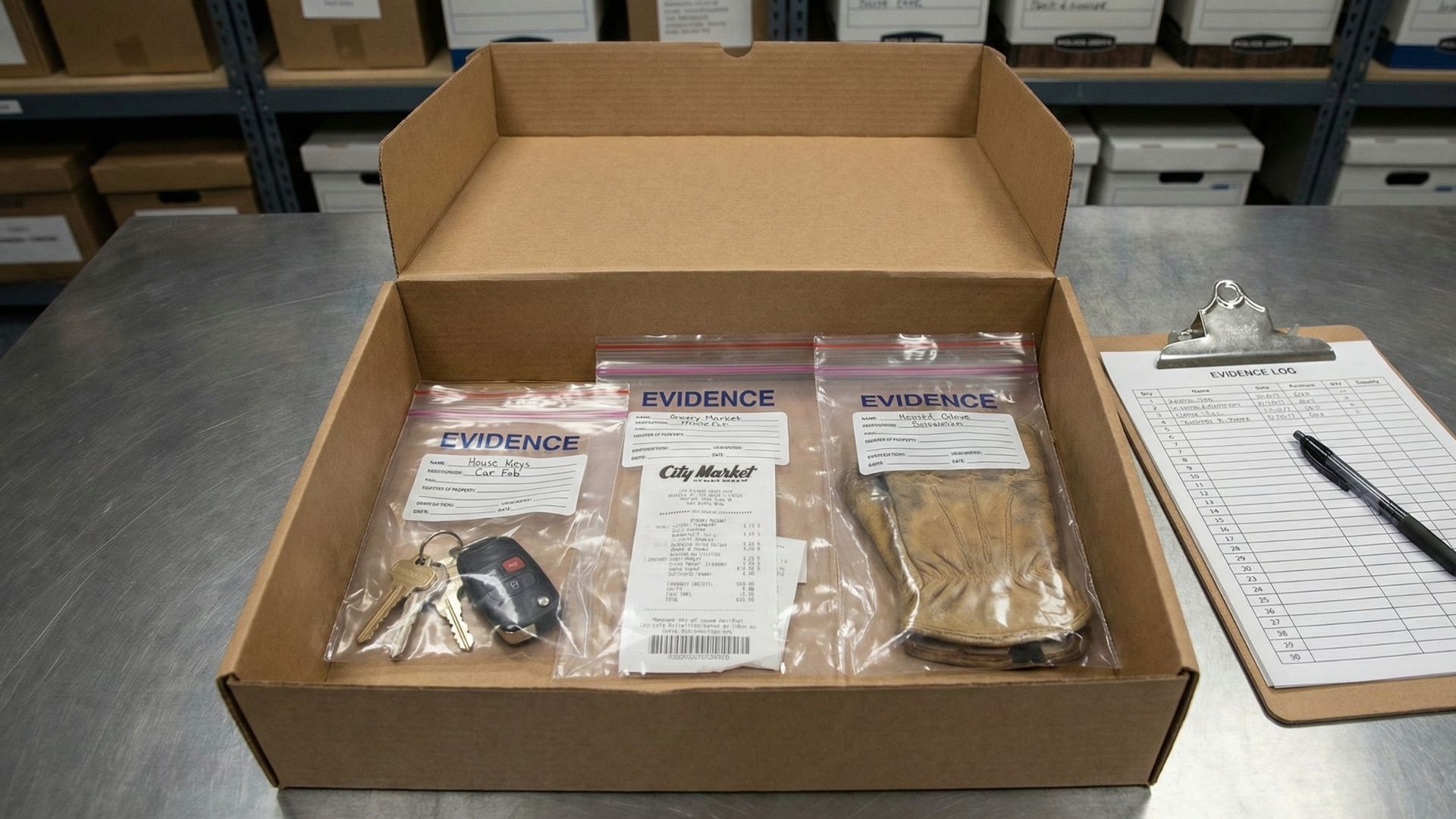
What Is Circumstantial Evidence?
If you keep hearing and wondering ‘what is circumstantial evidence,’ think of it as proof that suggests a fact through related details. It works by inference.
A jury observes a fact and then determines its significance in context. Prosecutors often rely on circumstantial evidence when no one saw the act happen or when the direct proof has gaps.
One clue usually does not settle a case. Lawyers and jurors look at how multiple facts line up, as well as look for other explanations that fit the same facts.
Examples of Circumstantial Evidence
These examples can point toward involvement while leaving room for innocent explanations:
- Phone location data places a device near the scene around the time of the crime.
- Fresh paint transfer appears on a car bumper after a hit-and-run report.
- An individual sells an item that someone reported stolen earlier.
- A fingerprint shows up on a broken window after a burglary, and investigators link it to a suspect.
- A receipt shows a purchase minutes after a credit card went missing, and video recording shows the same person at the register.
Each one needs reasoning. A phone can travel with someone else, paint can come from a different scrape, and a fingerprint can land on a surface for a harmless reason.
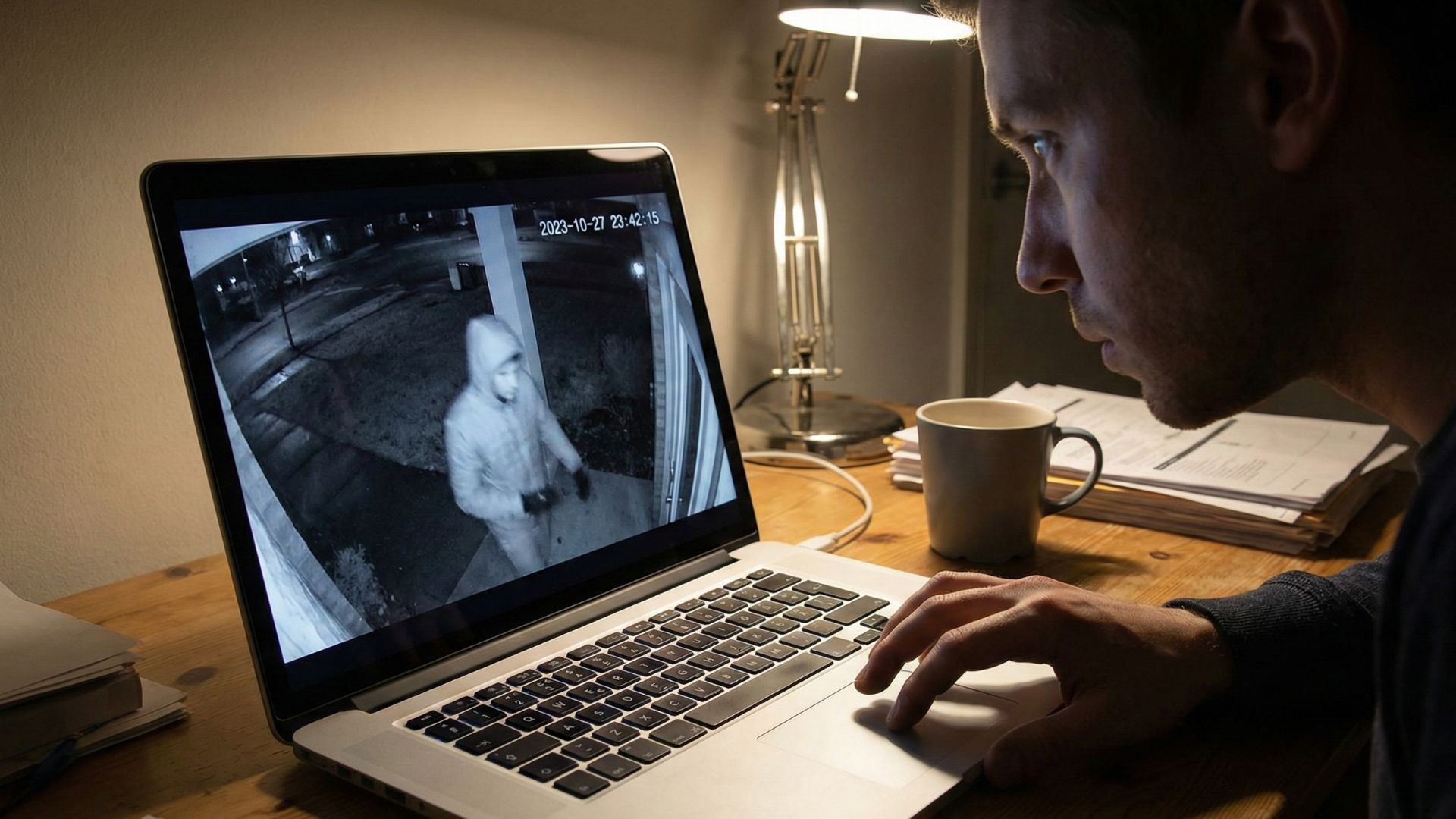
What Is Direct Evidence?
Lawyers refer to direct evidence when it supports a fact without extra reasoning. If a witness says, “I saw him take the wallet,” the statement points straight to the act. The court still has to decide if the witness got it right, but the logic chain stays short.
Direct evidence often comes from testimony, recordings, or documents that describe the event itself.
Examples of Direct Evidence
Examples that can count as direct evidence include:
- An eyewitness testifies that they saw the suspect commit the act.
- A confession describes what the person did and when they did it.
- A clear video recording shows the person committing the act.
- A voice message describes the act, and the identity matches the speaker.
Even when proof looks direct, disputes still come up around perception, pressure, and missing context.

Key Differences Between Direct and Circumstantial Evidence
Courts allow both types of evidence; both can show up in the same case. The difference sits in how many reasoning steps the jury must take.
Here’s a circumstantial vs direct evidence example. If a neighbor says they saw someone climb through a window, the testimony points straight to the act. However, if the neighbor only saw someone walking away a minute later with glass on their shoes, the jury has to infer what happened inside.
Practical differences often show up as follows:
- Logic steps: An item of direct evidence can point straight to a fact, while circumstantial evidence asks jurors to connect facts through inference.
- How lawyers challenge it: Direct evidence often turns on credibility and accuracy. Circumstantial evidence often turns on alternate explanations for the same clue.
- How the case gets built: Direct evidence may rely on one source, while circumstantial often relies on several pieces that line up.
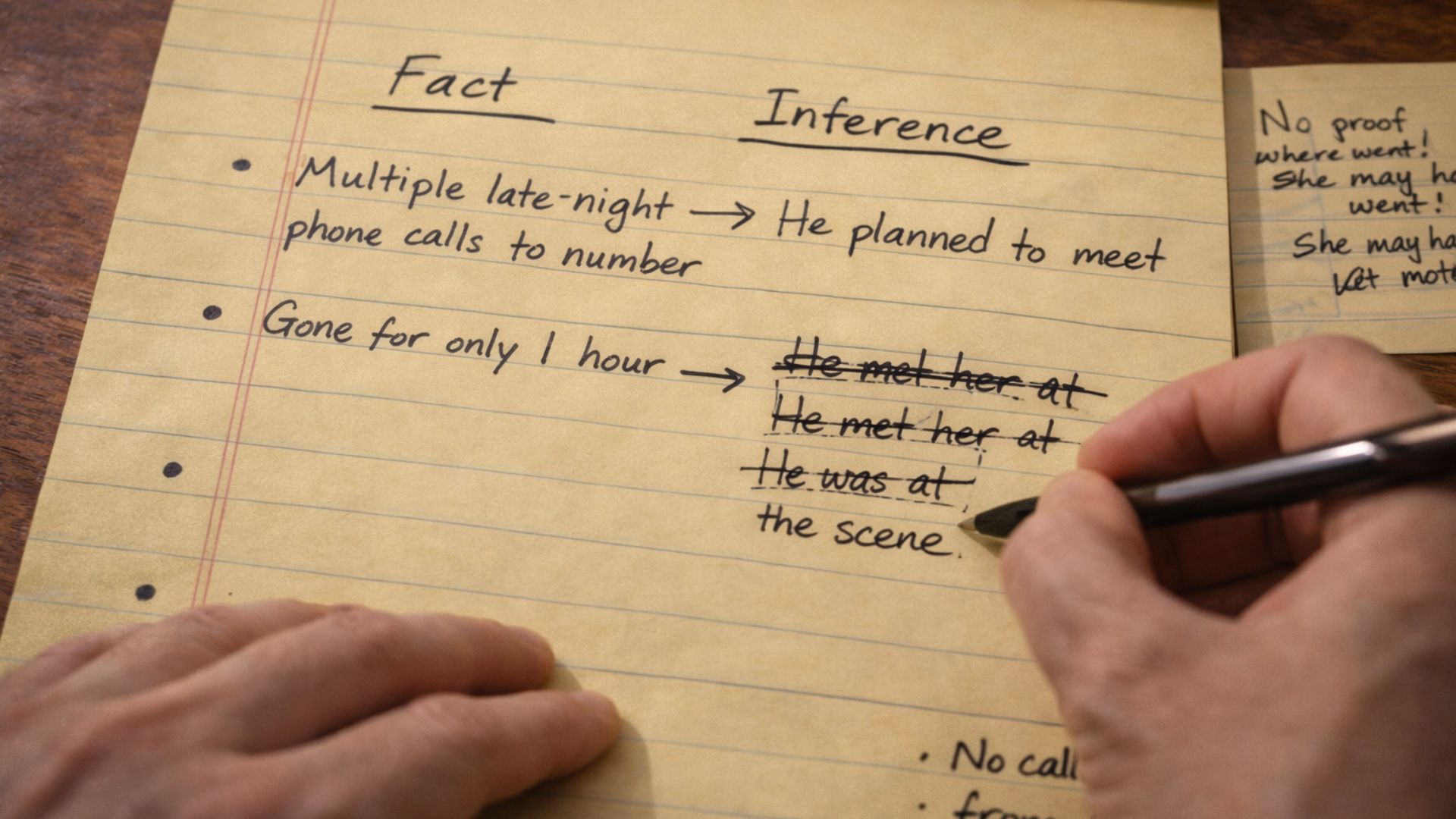
How Courts Use Circumstantial Evidence
Prosecutors often present circumstantial evidence as a timeline and argue that the facts only point in one direction. Judges then tell jurors about the burden of proof.
The prosecution must prove guilt beyond a reasonable doubt, and jurors can reject a conclusion if the facts do not support the inference.
If you still find yourself asking ‘what is circumstantial evidence in real life,’ focus on the link between each fact and the conclusion the prosecutor wants. Individuals sometimes describe this as indirect evidence because it points to the claim through inference instead of stating it outright.
Another circumstantial vs direct evidence example involves video recording. It clearly shows a face, and the act may support a direct conclusion. A recording that only shows a similar jacket and someone running away pushes the case into inference. Accordingly, lawyers argue about identification and context.
Modern cases also lean on technical proof. That can include lab reports, phone records, and scientific comparisons. When those tools show up, the defense may challenge the methods, the chain of custody, and the people who collected the samples. That might include Forensic Evidence, Digital Evidence, or DNA Evidence.

What Are Possible Defenses?
Defense attorneys typically use several techniques, which include:
- Challenging the prosecutor’s theory of the case (i.e., the link between the defendant and the crime)
- Limiting how much information is presented to the jury
- Providing an alternative theory that fits the facts
Other possible defenses include:
- Presenting an alternate explanation for the “clue” (e.g., was present at the scene as part of employment)
- Attacking the inference the prosecutor makes about the defendant (i.e., pointing out gaps, holes, etc, in their argument)
- Challenging how the “clue” was identified (g., description too vague, bad lighting in video, etc.)
- Disputing the reliability of laboratory procedures used to obtain indirect evidence
- Moving to suppress any evidence obtained during illegal searches or improper interrogations
- Presenting positive evidence to refute an alibi or contradict the prosecutor’s version of the timeline (i.e., providing receipts, texts, etc.)
Working with a Los Angeles criminal defense lawyer allows you to identify weaknesses in the prosecution’s case, create a strategy based on the evidence, and determine potential motions and trial strategy.
Conclusion
Direct evidence points straight to a fact. Circumstantial evidence asks the court to connect facts through reasoning. When a case leans on inference, it is important to examine how each link connects to the next and what other explanations fit the same facts.
If someone says the evidence “speaks for itself,” slow down and ask what conclusion they want you to reach and what facts actually support that conclusion. Getting legal advice early can help protect your rights and respond with a clear plan.
References
- (n.d.). Direct evidence.
- Shouse Law Group. (n.d.). Circumstantial evidence.
- (n.d.). Direct versus circumstantial evidence.
- S. District Court for the District of Rhode Island. (n.d.). General civil jury instructions (PDF).
- Kevin Wilson Lawyer. (n.d.). Circumstantial evidence in Virginia criminal cases.
- Boatwright Legal. (n.d.). Circumstantial evidence.