Dec 2, 2025
Missing jury duty may seem like a minor oversight, but in California, failure to appear for scheduled jury service can result in escalating legal consequences. Whether the notice was misplaced, forgotten, or missed due to an unexpected event, it is important to understand what happens if you miss jury duty and the appropriate steps to correct the issue.
California regards jury service as a civic duty, and courts expect every prospective juror to respond in a timely and responsible manner. Before consequences are imposed, courts generally provide an opportunity to address the missed appearance.

What Happens if You Miss Jury Duty?
When an individual fails to appear for the date indicated on a summons, the court typically follows a structured escalation process rather than imposing immediate sanctions. The court’s response generally progresses through three stages:
1. First Missed Appearance
In most counties, the initial missed date results in a warning notice or the issuance of a second summons. This provides another opportunity to appear without penalty.
2. Failure to Respond to the Second Summons
If the individual does not respond to the subsequent notice, the court may schedule an Order to Show Cause hearing. At this hearing, the individual must explain the reason for failure to appear.
3. Continued Non-Compliance
If the court’s order is ignored, penalties can be imposed, and the individual may face a fine or a finding of contempt.
Understanding what happens when you miss jury duty allows individuals to respond before the matter escalates. If you believe your situation may require legal guidance, you may consult with a qualified Los Angeles criminal defense attorney at any stage of the process.

Legal Penalties for Missing Jury Duty in California
Failure to appear for jury service is a violation of California Code of Civil Procedure § 209. Potential penalties include:
Fines
Courts may impose fines ranging from $250 to $1,500, depending on the county and the number of missed appearances.
Contempt of Court
Repeated failure to respond or appear may result in a finding of contempt of court, which carries additional sanctions at the discretion of the judge.
Possibility of Jail Time
Although rare, persistent and willful disregard of jury summons or court orders may lead to jail time. This usually occurs only when an individual repeatedly refuses to comply with mandatory jury service obligations.
These consequences underscore the importance of addressing missed jury service promptly.

How to Notify the Court if You Cannot Attend Jury Duty
Not every individual is able to attend on the originally assigned date. Courts understand this and provide procedures to request a postponement or an excusal when justified.
California courts generally permit individuals to notify the jury commissioner when circumstances legitimately prevent attendance. Acceptable reasons may include:
- Documented medical conditions
- Recent surgery or hospitalization
- Illness that prevents participation
- Demonstrated financial hardship
- Prepaid travel arrangements
- Disability-related limitations
- Caregiving responsibilities
- Military service obligations
- Prior jury service within the last twelve months
Documentation may be required, depending on the county and the nature of the request.
How to Contact the Court
Individuals may contact the court by:
- Telephone
- Online jury portals
- Email, if permitted by the county
- Submitting written documentation by mail or fax
Courts encourage prompt communication so that the individual remains eligible to serve at a later date.

Difference Between Missing Jury Duty and Requesting a Postponement
A missed appearance and a formal postponement request are treated very differently:
- Missing jury duty involves failure to appear without advance notice, which may lead to penalties.
- Requesting a postponement is a lawful procedure that allows the juror to defer service without consequences, provided the request is made before the reporting date.
Most courts allow at least one postponement, typically requiring that the rescheduled date fall within six months. Additional postponements may require written justification.
A postponement preserves compliance, while a failure to appear can expose the individual to increased penalties.

Tips to Avoid Problems with Jury Duty
The following practices can reduce the likelihood of difficulties with your summons:
- Review mail regularly for official notices.
- Immediately respond to the summons through the listed communication options.
- Maintain records of any excusal or postponement requests.
- Use reminders or calendars to track reporting dates.
- Contact the jury office if there is uncertainty about your obligations.
Proactive communication is the most reliable way to maintain compliance and avoid legal penalties.
In Summary
Missing jury duty in California can lead to escalating consequences, including fines and, in limited situations, findings of contempt. Courts generally provide opportunities to correct missed appearances before imposing penalties, but continued failure to respond may result in more serious outcomes.
If you have already missed jury duty or received a notice from the court regarding your failure to appear, timely action is essential.
For guidance on how to proceed or to address a court order, consult a knowledgeable Los Angeles criminal defense attorney at Manshoory Law Group. The firm can assist you in understanding your obligations and resolving any legal concerns related to missed jury service.

Nov 28, 2025
California’s justice system has gone through significant changes over the years. One of the most talked-about reforms is Prop 36 California, a law designed to help people facing non-violent drug and theft charges get treatment instead of going to jail.
For individuals facing charges for a low-level offense, this law may provide a critical opportunity to protect records and access treatment instead of incarceration.
What Is Proposition 36 in California?
Prop 36 California, also called the Substance Abuse and Crime Prevention Act, was passed in 2000 to give non-violent offenders a second chance. Eligible individuals who are sentenced to serve time for a low-level crime have the option to receive court supervised drug treatment as an alternative to serving time in county jail or state prison.
The ultimate objective of Prop 36 California is to decrease crime by using a rehabilitative approach rather than punishment. It addresses the issue of substance abuse and mental health, being the leading cause of many crimes.
Therefore, instead of continually recycling offenders back into the system, they are given an opportunity to participate in programs, which educate them how to manage problems and rebuild their lives.
Someone convicted under Prop 36 California might be ordered to complete up to one year in a treatment program, followed by a period of probation. If the person successfully completes treatment, the conviction can often be dismissed, keeping it off their permanent record.

Who Qualifies for Prop 36?
Eligibility under Prop 36 California is based on the type of committed crime and any prior convictions. It is primarily for those convicted of non-violent drug crimes, such as possession of a controlled substance or driving while intoxicated.
You may be eligible if:
- You are accused of a non-violent drug offense.
- You do not have any recent convictions of violent or serious felonies.
- You did not refuse prior court ordered drug treatment.
There are some exclusions from eligibility – i.e., if you are charged with selling drugs, you have been convicted of a felony involving a weapon, or you have serious recent violent convictions.
Ultimately, it will be up to the discretion of the judge. If you have had problems with ignoring the treatment requirements or have had several probation violations, the court can deny you Prop 36 sentencing.
For many individuals charged with drug-related offenses, Prop 36 provides an opportunity to pursue recovery rather than spending years incarcerated.

Prop 36 and Theft or Property Crimes
While Prop 36 mainly focuses on drug crimes, it can sometimes cover related property crimes, especially when they are tied to substance abuse.
Many people charged with retail theft or petty theft commit these acts to support an addiction. When that is the case, California Proposition 36 allows courts to consider treatment rather than automatic punishment.
An example of this is a person arrested for shoplifting small items to purchase drugs. If the court finds that the person’s addiction contributed to the offense, the individual may be eligible for Prop 36 and therefore not go to county jail but participate in counseling and rehabilitation programs. These programs will help the individual break the cycle of addiction and theft.
This is why having a Los Angeles theft crimes lawyer could be a significant advantage. Your lawyer can demonstrate how your case is connected to addiction, allowing treatment instead of jail time. 
Prop 36 Violations and Non-Compliance
Although California Prop 36 offers a second chance, participants are required to adhere to very specific rules. Failure to comply with the requirements may result in the revocation of the participant’s Proposition 36 status by the court.
The most common ways of losing the status include:
- The court issues a warning or requires the participant to restart the treatment program.
- Depending on the severity of the violation(s), the court may order the participant to serve the remainder of the original county jail or state prison sentence.
On the other hand, most courts take a “second-chance” approach when considering whether to remove an individual from Proposition 36.
Most judges provide a minimum of two (and sometimes three) opportunities to comply with the program requirements prior to removing an individual from the program. The condition is that the district attorney and public defender agree that additional help is necessary rather than additional punishment.
However, repeated failure to comply with the requirements could potentially result in serving the full term of the original sentence in jail.

Key Differences Between Prop 36 and Other Diversion Programs
California has several programs aimed at criminal justice reform, but Prop 36 California stands out because it is available even after conviction. Other diversion options, like drug courts or pretrial diversion, usually happen before someone pleads guilty.
This is how Prop 36 differs:
- Timing – This program is available after entering a guilty plea or after being convicted of a crime.
- Purpose – The primary focus of this program is to provide treatment to individuals who were convicted of a felony that involved drugs, as well as individuals convicted of misdemeanor drug crimes.
- Length – Individuals participating in this program will generally be required to participate in treatment for a year, followed by 1-2 years of supervised probation.
- Success – If an individual successfully completes treatment and meets all requirements of supervision while on probation, charges may be dismissed.
Since California Proposition 36 focuses on the rehabilitation of an individual, it generally works well for individuals who are willing to make lasting life changing decisions. By committing to recovery, individuals are less likely to encounter additional legal issues related to drug offenses.

Final Insights on Proposition 36
California’s Prop 36 is an example of how the justice system can positively impact society by shifting its focus from punishment to recovery and rehabilitation for those struggling with addiction and committing drug and theft crimes.
By giving an opportunity to rehabilitation, individuals can rebuild their lives, and at the same time, create safer communities for all citizens of California.
If you are charged with a crime that has been classified as a drug or theft offense, it would be in your best interest to hire a knowledgeable and experienced criminal defense attorney who understands the benefits of using Prop 36 as a possible legal sentencing alternative.
This could result in avoiding years in jail or prison, receiving necessary treatment for your addiction, and starting fresh with a clean slate.
References

Nov 21, 2025
Getting arrested for drug possession in Newport Beach can be intimidating. You might be stopped by police near the waterfront, at a downtown bar, or during a traffic stop — and suddenly find yourself facing serious legal trouble.
Understanding how California drug laws apply, and what happens after an arrest, can help you make informed choices.
At Manshoory Law Group, our experienced criminal defense attorneys handle drug possession cases across Orange County (including Newport Beach), guiding clients through every stage from arrest to court resolution.
Understanding Drug Possession Laws in California

California treats drug possession as a serious offense, but not every case is the same.
Under Health and Safety Code §11350, it is illegal to possess certain controlled substances without a valid prescription. These include cocaine, heroin, methamphetamine, ecstasy, LSD, and unprescribed opioids.
Key points to know:
- “Possession” means having control of the drug, whether it’s on you, in your car, or in your home.
- Simple possession applies when the drug is clearly for personal use.
- Possession with intent to sell carries far harsher penalties.
Many drug possession cases now fall under Proposition 47, which reduced some felony charges to misdemeanors. That means eligible defendants may face probation or treatment instead of jail. That is understanding California drug laws is of utmost importance.
Newport Beach Arrest Procedures

The Newport Beach Police Department actively enforces drug laws, especially in high-traffic zones such as Balboa Peninsula, Fashion Island, and coastal areas.
Most arrests begin with:
- Observation or traffic stop — an officer suspects illegal activity.
- Search and evidence collection — drugs or paraphernalia found on you or nearby.
- Booking and bail — the suspect is taken to the local jail or Orange County facility for processing.
Newport Beach officers often cooperate with the Orange County Sheriff’s Department and Harbor Patrol.
If the suspect is arrested during any of these stages, it is important to remain calm, avoid resisting, and ask for an attorney immediately. Anything you say can be used as evidence.
Misdemeanor vs Felony Possession

Whether a charge is a misdemeanor or felony depends on several factors:
- Type and quantity of controlled substance
- Prior criminal record
- Intent to sell or distribute
Misdemeanor Possession
Typically applies to small amounts for personal use. Punishments may include probation, fines, or treatment programs.
Felony Possession
Charged when large quantities or evidence of sale are involved. This can lead to prison time and long-term record consequences.
Under California Health and Safety Code provisions, first-time offenders may qualify for diversion programs or “Deferred Entry of Judgment” to avoid a conviction. These options are best pursued early with help from a skilled defense lawyer.
Court Process Overview: From Arraignment to Trial

Drug possession cases in Newport Beach are handled through the Harbor Justice Center, part of the Orange County Superior Court.
Here’s how the process typically unfolds:
- Arraignment: The first court appearance where charges are read, and you enter a plea.
- Pretrial Hearings: Opportunity for plea negotiations, evidence review, and diversion requests.
- Trial: If no resolution is reached, the case proceeds to trial before a judge or jury.
- Sentencing: The court decides penalties, including probation, fines, or jail time.
Having an attorney present at the arraignment process in Orange County is critical. Early legal intervention can influence bail, charge reductions, or dismissal outcomes.
Penalties and Sentencing Options

Drug possession penalties depend on the charge level and prior record.
Common controlled substance penalties include:
- Up to 1 year in county jail for misdemeanor possession.
- Felony possession penalties may be up to 3 years in state prison.
- Heavy fines and mandatory drug counseling or community service.
However, Newport Beach courts often encourage probation alternatives, such as:
- Drug diversion or DEJ programs
- Rehabilitation and treatment instead of incarceration
- Conditional dismissals after completing education programs
A conviction can also affect the suspect’s driver’s license, employment, and immigration status. That’s why early defense representation is vital.
Working with a Local Defense Attorney
When facing drug possession charges in Newport Beach, you need a lawyer who knows the local court system and law enforcement practices.
Manshoory Law Group offers:
- Deep experience handling drug-related cases in the Harbor Justice Center
- Insight from former prosecutors who understand how the DA builds possession cases
- 24/7 availability for handling urgent arrests and consultations
- Personalized strategies designed for your background and case facts
Hiring a Newport Beach criminal defense attorney early can make the difference between a record that follows you and one that gets cleared.
Request Free Case Review
Call 24/7 for Immediate Help
FAQs About Drug Possession in Newport Beach
What happens after a drug possession arrest in Newport Beach?
You’ll be booked, possibly held for bail, and required to appear in court at the Harbor Justice Center. An attorney can help secure release and defend you early.
Can first-time offenders avoid jail time?
Yes. Many are eligible for diversion, probation, or treatment programs that focus on rehabilitation rather than punishment.
What’s the difference between misdemeanor and felony possession?
It depends on drug type, amount, and intent to sell. Felonies carry longer sentences and more lasting consequences.
How long does a case take in Newport Beach?
Most misdemeanor cases take 2–3 months; felony cases may extend longer, especially if trials or motions are involved.
Do I really need a lawyer for a possession charge?
Absolutely. Legal representation can lead to reduced penalties, diversion eligibility, or even a full dismissal.

Nov 7, 2025
Being charged with drug possession in Santa Ana can feel overwhelming. One moment you’re heading home or meeting friends downtown — the next, you’re facing serious legal consequences.
Whether you were found with prescription medication, marijuana, or another controlled substance, understanding how California drug laws work can help you understand your options.
With extensive experience defending clients in Santa Ana criminal court, Manshoory Law Group provides step-by-step guidance through every part of the process — from arrest to resolution.
Common Drug Possession Offenses in Santa Ana
Drug arrests in Santa Ana usually begin with a traffic stop, search warrant, or police encounter near popular areas such as downtown nightlife zones, local colleges, or major freeways.
Common controlled substances in local cases include:
- Methamphetamine, cocaine, or heroin
- Prescription painkillers or stimulants like Adderall and Xanax without a valid prescription
- Marijuana in excess of legal possession limits
- Paraphernalia such as syringes, pipes, or digital scales
Under Health and Safety Code § 11350, even a small amount of a controlled substance can lead to a misdemeanor or felony charge depending on prior history and intent. Santa Ana police are proactive in enforcing these laws, and small mistakes can escalate quickly.[
The Arrest Process: What to Expect
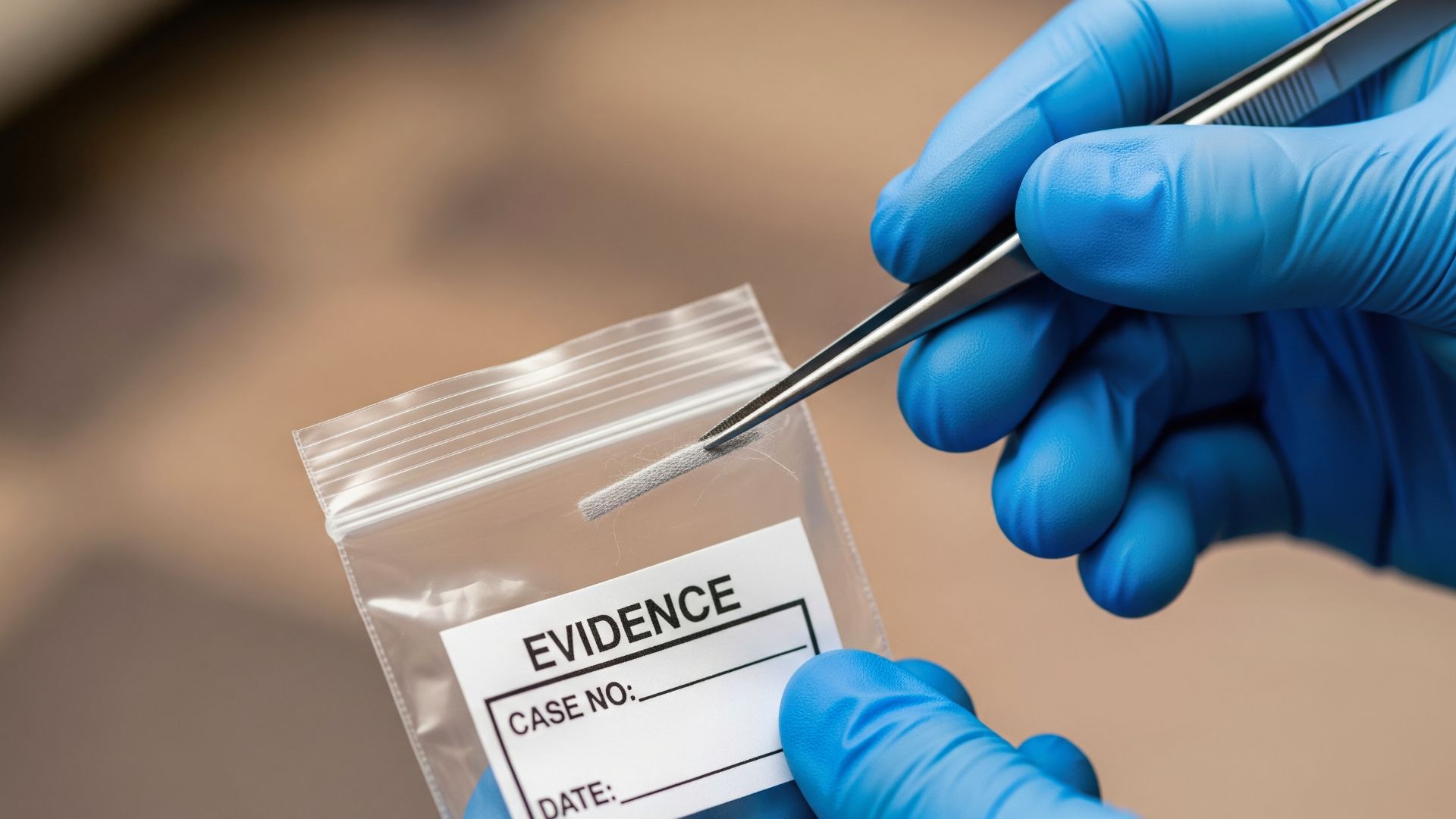
Most arrests follow the same pattern:
- Detention and Search — Officers with the Santa Ana Police Department or Orange County Sheriff’s Department investigate after noticing possible drug activity.
- Evidence Collection — If drugs or paraphernalia are found, they’re seized as evidence.
- Booking and Bail — You’re fingerprinted, photographed, and held until bail is posted or a hearing is scheduled.
Santa Ana police often collaborate with regional task forces targeting controlled-substance activity along the I-5 and 55 corridors.
During booking, it’s important to remain calm and request legal counsel before answering questions. Anything you say can be used in court later.
Charges and Classification Under California Law

California divides drugs into five schedules based on potential for abuse and medical use. Schedule I drugs (like heroin or LSD) carry the toughest penalties, while Schedule V includes the mildest prescription medications.
Typical charge types include:
- Simple possession — having a small quantity for personal use.
- Possession with intent to sell — prosecutors allege distribution or sale based on quantity or packaging.
- Possession of drug paraphernalia — items associated with use or distribution.
Since Proposition 47, many first-time or low-level offenses under Health and Safety Code § 11350 are treated as misdemeanors rather than felonies, often qualifying for probation or diversion instead of jail.
Learn more about statewide regulations here: California drug laws.
Local Court Procedures in Santa Ana

All drug cases from Santa Ana are heard at the Orange County Superior Court, Central Justice Center.
The court process generally follows these stages:
- Arraignment – Formal reading of charges and entry of plea.
- Pre-trial hearings – Negotiations, evidence review, and possible diversion requests.
- Trial (if needed) – Presentation of testimony and lab evidence.
- Sentencing – Judge determines outcome based on facts and record.
Local prosecutors and judges consider factors like cooperation, criminal history, and whether treatment or education programs could substitute for incarceration.
Since every courtroom has its own procedures, hiring an Orange County criminal defense attorney familiar with Santa Ana’s system can make a significant difference.
Possible Legal Defenses

Even if police found drugs, you may still have strong defenses. Manshoory Law Group often challenges cases using strategies such as:
- Illegal search or seizure – Evidence obtained without probable cause may be suppressed.
- Lack of knowledge or intent – You didn’t know the drugs were present or illegal.
- Chain-of-custody issues – Lab testing or evidence handling errors can invalidate results.
- Entrapment or police misconduct – Officers coerced or induced the alleged act.
- Valid prescription defense – Prescription medication possessed legally.
A skilled defense attorney reviews every detail — from the initial stop to lab analysis to identify weaknesses in the prosecution’s case.
When to Speak with a Criminal Defense Attorney

Time is critical after an arrest. Calling a lawyer immediately can:
- Prevent statements that harm your defense.
Manshoory Law Group offers:
- 24/7 availability for urgent calls
- Former prosecutor insight into Orange County DA strategy
- Proven success defending drug possession cases in Santa Ana
- Personalized legal plans for each client
The sooner you act, the better your chances of protecting your record and future.
Request Free Case Review
FAQs About Drug Possession in Santa Ana
What happens if I’m charged under Health and Safety Code § 11350?
You could face a misdemeanor charge with up to 1 year in county jail or probation, though first-time offenders often qualify for diversion.
Can a lawyer reduce a felony to a misdemeanor?
Yes. Under Proposition 47, many non-violent drug offenses can be re-classified, reducing penalties and future record impact.
How long does a drug possession case take in Santa Ana?
Simple possession cases usually resolve within a few months; felonies or cases involving search motions can take longer.
What’s the difference between possession and intent to sell?
Intent to sell is based on quantity, packaging, or evidence like cash or scales and carries far harsher penalties.
Can charges be dismissed if the search was illegal?
Yes. If the court finds police lacked probable cause or violated your Fourth Amendment rights, the evidence may be thrown out and the case dismissed.

Oct 25, 2025
If you live or work in Santa Ana, you know it’s the center of Orange County. It’s a busy hub of culture, community, and government. But like any big city, it has a complicated relationship with crime. If you’re worried about the crime stats or, worse, you’ve been accused of a crime here, you’re in the right place.
This isn’t about fear. It’s about knowing what’s really on. We’re going to break down the most common criminal charges filed right here in Santa Ana, using the official numbers. We’ll also see how our city stacks up against the rest of the country. At Manshoory Law Group, we’re in the Santa Ana courthouse every day fighting these exact charges. We know this system inside and out.

Crime in Santa Ana: What the Numbers Reveal
So, what’s really happening on our streets? Let’s skip the speculation and look at the hard data. The Santa Ana Police Department’s 2023 Uniform Crime Reporting (UCR) Annual Statistical Report is a scorecard of what residents are dealing with.
Here are the most frequent offenses:
- Theft (Larceny/Embezzlement): This was the #1 crime with 3,878 cases. It’s a huge category, covering everything from professional crews hitting retail stores to someone swiping a package off your porch.
- Drug-Related Offenses: Cops reported 2,138 drug cases, making it the second most common charge. This shows a continued focus by law enforcement on narcotics.
- Vandalism: Destruction of property, from graffiti to slashed tires, accounted for 1,973 cases.
- Assault: This is a big one. There were 1,628 cases of simple assault and intimidation, plus another 1,165 cases of the more serious aggravated assault.
Now for the part that really matters: the trends. The good news? Homicides dropped by a massive 77%. That’s a huge win for the community.
But other numbers went the wrong way. Robberies shot up by 22%. And even more concerning, aggravated assaults surged by a huge 36% in just one year. For property crime, the main story is auto theft, which climbed by 7%, putting every car owner on edge.

How Santa Ana’s Crime Rates Compare Nationally
Okay, so those are the local stats. How does Santa Ana stack up against the rest of the country? What happens here is often the opposite of the national trend.
Violent Crime: We’re Going the Wrong Way
The national trend for violent crime is actually getting better. The FBI’s 2023 data shows robbery and assault went down across the U.S.
But not here. In Santa Ana, robberies went up 22% and aggravated assaults went up 36%. The reality is simple: the risk of a violent encounter is higher here than the national average.
Auto Theft: It’s a California Problem
That 7% jump in car thefts feels personal when it’s your car that’s gone. But this problem is bigger than just Santa Ana. It tracks with a statewide trend. California has been a hotspot for auto theft, so what we’re seeing is part of a larger, regional issue.
Context is everything. Santa Ana is a dense, urban city with over 330,000 people. A dense city creates more friction: more disputes, more road rage, and more opportunities for crime. High arrest numbers can also be a product of proactive policing—SAPD’s targeted enforcement can make certain stats look higher than in cities with a less aggressive approach.

Common Criminal Charges We Handle in Santa Ana
The official reports confirm what we see every day. Our clients are regular people who find themselves in bad situations. Here are the charges we handle most often in the Santa Ana courthouse:
- DUI Offenses: Maybe you had a couple of drinks with dinner downtown and get caught in a weekend DUI checkpoint on Bristol. With major freeways like the I-5 and SR-55 meeting here, DUI patrols are everywhere.
- Drug Possession: A simple traffic stop for a broken taillight can turn into a drug case fast. An officer says they smell something or see a baggie in your console, and next thing you know, your car is being searched.
- Domestic Violence: A bad argument with your partner gets loud and a neighbor calls 911. Once the police show up, an arrest is almost guaranteed if they see any sign of a fight. The DA takes these cases very seriously.
- Theft & Shoplifting: This is the city’s most common charge. We see it all: from a teenager making a dumb mistake at MainPlace Mall, to an employee accused of taking money from the register.
- Assault & Battery: With aggravated assaults up 36%, these charges are on the rise. A bar fight in the DTSA nightlife scene or a road rage incident on the 55 freeway can lead to felony charges that threaten your freedom.
- Juvenile Offenses: We represent students and young people facing charges for many of the offenses listed above. A mistake shouldn’t ruin a young person’s future, and we work to navigate the separate juvenile justice system to protect them.
- Expungements: Good people with an old conviction deserve a second chance. We help many Santa Ana clients clean their records. Expunging an old theft or drug charge is the key to a better job, better housing, and a fresh start.

Why Local Experience Matters in Santa Ana Criminal Cases
If you get charged with a crime in Santa Ana, your case goes to one place: the Central Justice Center. This isn’t just another courthouse; it’s the busiest in all of Orange County. An out-of-town lawyer is at a serious disadvantage. An experienced local Santa Ana criminal defense attorney knows the specific tendencies of the judges and DAs—who is reasonable, who plays hardball, and what arguments work in their courtrooms. This includes knowing about specific diversion programs that can keep a client out of jail, options other lawyers might not even know exist. Defending against common charges requires knowing what works in this city, not just in theory.
Why Santa Ana Clients Trust Manshoory Law Group
- 24/7 Availability: We’re here for you when an arrest happens in Santa Ana.
- Deep Knowledge of the Central Justice Center: We are in this courthouse daily.
- Former Prosecutor Insight: We understand how the other side builds its case.
- 10+ Years in Southern California Courts: A decade of experience defending clients.
- Multilingual Legal Team: Ensuring clear communication for Santa Ana’s diverse community.
- Customized Strategies: Your case is unique, and your defense will be too.
FAQs: Santa Ana Criminal Charges
What types of charges are most common in Santa Ana?
The official 2023 police report says larceny (theft), drug offenses, and assault are the most common. Theft is #1 by a lot.
Which court handles my case if I’m arrested in Santa Ana?
State criminal cases go to the Orange County Superior Court’s Central Justice Center at 700 Civic Center Drive West. Federal charges are different; they go to the Ronald Reagan Federal Building.
Do I have to go to court in person?
For many misdemeanors, no. Your lawyer can go for you so you don’t have to miss work. But for any felony charge, you absolutely have to be there in person for all the important dates.
What if I can’t afford a private attorney?
You can ask the court to appoint a lawyer from the Orange County Public Defender’s office. You’ll have to prove you can’t afford to hire one on your own by submitting detailed financial information to the court.
Can I clear my record after my case is over?
Yes. In California, you can often get a conviction expunged. This basically dismisses the case after the fact, which helps a ton with getting a job or finding housing. For most private employers, it’s like it never happened.
Arrested in Santa Ana? Contact Us Today.
When you’re arrested, the clock starts ticking. Evidence disappears and your options shrink. The prosecution is already building its case against you. The best thing you can do is act fast. The sooner we start building your defense, the better your chances are.
References:
Santa Ana Police Department. (2023). Santa Ana Police Department Uniform Crime Reporting Annual Statistical Report 2023. Retrieved from https://storage.googleapis.com/proudcity/santaanaca/2022/11/SantaAnaNIBRSAnnualReport_2023.pdf
Federal Bureau of Investigation. (2024, September 23). FBI Releases 2023 Crime in the Nation Statistics. Retrieved from https://www.fbi.gov/news/press-releases/fbi-releases-2023-crime-in-the-nation-statistics
Superior Court of California, County of Orange. (2025). Central Justice Center. Retrieved from https://www.occourts.org/location/central-justice-center
United States District Court, Central District of California. (2025). Ronald Reagan Federal Building and U.S. Courthouse. Retrieved from https://www.cacd.uscourts.gov/locations/santa-ana-courthouse
Manshoory Law Group, APC. (2025). Manshoory Law Group, APC. Retrieved from https://manshoorylaw.com/
National Academies of Sciences, Engineering, and Medicine. (2018). Proactive Policing: Effects on Crime and Communities. The National Academies Press. Retrieved from https://nap.nationalacademies.org/read/24928/chapter/1