Feb 28, 2024
Have you ever accessed an online case status and come across the enigmatic term “disposed”? Although it may appear foreboding, it does not necessarily indicate unfavorable developments.
Therefore, let’s dissect the case disposed meaning, the intricacies of this legal terminology in simple language, and assess its potential implications for your situation!
What Does “Case Status Disposed” Mean?
In legal terminology, case status disposed meaning is essentially the closure of a case[1]. It can be understood as the judge’s way of concluding the matter by stating, “That concludes the proceedings for the case!”
There are multiple factors that can contribute to this, some of which may be favorable while others may not. It is vital to comprehend the various forms of dispositions and how they could potentially impact you.
On top of that, it is important not to mistake the term “disposed” for other case statuses such as “pending” or “active”. These designations indicate that the case is still in progress, awaiting a decision or further action.
Conversely, “case status disposed” indicates that the case has concluded its final phase, at least within the present decision of disposed in court. But does disposed mean dismissed? Not necessarily, and that’s why we’ll take a look at the type of disposal statuses there are out there!
Types of Disposal in Legal Cases
If you’re wondering what case status disposed is, we’re here to help you understand the various methods that exist for resolving a case, each carrying its own set of consequences. Let’s take a look together!
Dismissal with or without Prejudice
Dismissal, whether with or without prejudice, can bring positive outcomes. It signifies that the accusations against an individual have been withdrawn, though the details are essential.
Dismissal with prejudice denotes a final conclusion to the case, preventing any future criminal charges from being raised. Whereas, dismissal without prejudice allows the prosecution to potentially reinstate the charges under specific conditions[2].
Judgments
This takes place when the judge renders a conclusive verdict on the matter, typically following a trial or in consideration of the presented evidence. The determinations can result in findings of guilt, innocence, or even civil resolutions in non-criminal proceedings.
Plea Deals (A Guilty Plea Or Plea Of No Contest)
Plea bargains, involving a guilty plea or a plea of no contest (where guilt is not admitted but punishment is accepted), may involve an agreement between you and the prosecutor regarding a prescribed sentence or reduced charges.
This option can help steer clear of trial-related uncertainties and potentially result in a more lenient sentence.

A Guilty Or Not Guilty Verdict
Following a trial[3], the jury or judge will render a verdict of either guilty or not guilty. In the case of a guilty verdict, sentencing is typically applied, whereas a not-guilty verdict results in the dismissal of charges.
Important to keep in mind:
Following a disposition, there exists the possibility to exercise your right to challenge[4] the court’s ruling by submitting an appeal to a higher court, raising concerns about either the procedure or the result in connection with the code of civil procedure.
Completion of Pre-Trial Dispositions
On certain occasions, legal cases are settled prior to reaching trial by means of initiatives such as probation[7], community service, or participation in anger management courses or rehabilitation programs[6]. Successfully fulfilling these programs can lead to the disposition of a case, often resulting in dropped charges or mitigated sentences.
What Happens after Case Status Disposed
Even though your case is disposed and has been settled, it does not imply that the entire narrative has come to a close. Here are some alternative scenarios to consider:
- Expungement: Under specific circumstances, individuals may qualify to have their criminal record expunged[7] or sealed, contingent upon the outcome of their case and the regulations set forth by their state. This can significantly enhance future employment prospects and facilitate smoother housing applications.
- Sealed Records: Although distinct from expungement, the process of sealing records[8] limits the public availability of your case documents. This can prove advantageous in certain circumstances, although selective entities such as law enforcement may still have access to the information.
- Reducing a Felony: Depending on individual circumstances and the regulations of each state, there may be avenues to downgrade a felony offense to a misdemeanor gradually, providing potential alleviation from the repercussions of a felony conviction[9].
Do I Need a California Criminal Defense Lawyer for the Disposition of My Criminal Case?
While it is important to have a grasp on dispositions, it is imperative to keep in mind that each situation is distinct. If you are dealing with a criminal case or a case classified as disposed, seeking guidance from an experienced California criminal defense lawyer is essential.
A specialized Los Angeles Criminal Defense Attorney has the ability to assist you in comprehending the precise particulars of your situation, the ramifications of the disposal, and delving into any potential alternatives that may be accessible to you in the future.
While the term “case status disposed” may appear perplexing, this explanation aims to provide clarity regarding its significance within the world of law. It is important to consider the specifics of your case and the particular type of disposition as vital factors. Seeking advice from a skilled legal expert is highly recommended to effectively navigate the intricate nature of the legal system.
FAQ
What does case status disposed mean?
Case status disposed means the court has issued a final order and the case is officially closed. It does not describe the outcome — you need to review the specific disposition type to understand whether it ended in dismissal, conviction, plea deal, or another resolution.
Does disposed mean guilty?
No. Disposed simply means the case has ended. The outcome could be a dismissal, acquittal, guilty verdict, or completion of a diversion program. The disposition type is what tells you how it was resolved.
Is a disposed case the same as expunged?
No. A disposed case is closed but may still appear on your criminal record. Expungement is a separate legal process that removes or seals the record from public view and requires additional legal action.
Can a disposed case be reopened?
It depends on how it was closed. If dismissed without prejudice, the prosecution may refile charges. If dismissed with prejudice, the case cannot be reopened on the same charges.
What should I do after my case is disposed?
Get a copy of the final court order to understand the exact outcome. Then consult with a criminal defense attorney to explore your options, including whether you qualify for expungement or record sealing.
References
- The Law Dictionary. (2022, July 26). What does disposed mean in a court case? https://thelawdictionary.org/article/what-does-disposed-mean-in-a-court-case/
- DISMISSAL WITH OR WITHOUT PREJUDICE UNDER THE SPEEDY TRIAL ACT – a PROPOSED INTERPRETATION | Office of Justice Programs. (n.d.). https://www.ojp.gov/ncjrs/virtual-library/abstracts/dismissal-or-without-prejudice-under-speedy-trial-act-proposed
- How Criminal Cases Work – criminal_selfhelp. (n.d.). https://www.courts.ca.gov/1069.htm?rdeLocaleAttr=en
- How to file an appeal | Central District of California | United States District Court. (n.d.). https://www.cacd.uscourts.gov/court-procedures/filing-procedures/how-file-appeal
- Manshoory, S. (2023, September 20). What are common conditions of probation? | Manshoory Law. Manshoory Law Group, APC. https://manshoorylaw.com/blog/common-conditions-of-probation/
- Manshoory, S. (2023, September 20). What is Court-Ordered Rehab | How does it work | Manshoory Law. Manshoory Law Group, APC. https://manshoorylaw.com/blog/what-is-court-ordered-rehab/
- Manshoory, S. (2023, September 20). How to get your criminal record expunged in CA? | Manshoory Law. Manshoory Law Group, APC. https://manshoorylaw.com/blog/getting-your-record-expunged-in-california/
- Manshoory, S. (2023, September 20). How to seal and destroy arrest records in California | Manshoory Law. Manshoory Law Group, APC. https://manshoorylaw.com/blog/how-to-seal-and-destroy-juvenile-and-adult-arrest-records/
- Misdemeanor and felony possible consequences | Manshoory Law. (2022, January 17). Manshoory Law Group, APC. https://manshoorylaw.com/misdemeanor-and-felony-consequences/
Feb 27, 2024
Embarking on the Pacific Coast Highway during sunset, with open windows and hair fluttering in the breeze, epitomizes the classic California vision. However, this idyllic dream can swiftly collapse like a dropped surfboard if one transitions from relaxed cruising to irresponsible driving.
In California, reckless driving goes beyond being a mere traffic violation and is considered a criminal act carrying severe repercussions that can have significant financial, personal, and long-term implications.
So, let’s delve into the world of California’s laws on reckless driving tickets.
Vehicle Code 23103: Definition of Reckless Driving in California
To begin with, let’s break down the complex legal terminology and comprehend the specific actions that define reckless driving in California according to the legislation. As stated in 23103 VC[1], it refers to the operation of a motor vehicle with intentional or extreme disregard for the well-being of individuals or property.
However, that’s not all! California 23103 VC also includes some tangible instances to provide a more illustrative representation. Let’s see some of them:
- Operating a vehicle at a speed that exceeds the limit by 20 mph or more can be likened to encountering an unexpected and destructive wave, causing harm to all those in its trajectory – it constitutes an immediate violation of reckless driving laws.
- Engaging in a competition with another vehicle, akin to intruding upon someone else’s wave when surfing, is hazardous and displays a lack of regard.
- Also, engaging in drug-impaired driving (even without alcohol) is akin to surfing while under the influence – an unwise proposition, my friend!
Furthermore, any behavior that jeopardizes the safety of others, such as texting while behind the wheel or swerving through traffic, is comparable to hurling stones at fellow surfers – it should simply be avoided.
Penalties for Reckless Driving in California under California Vehicle Code 23103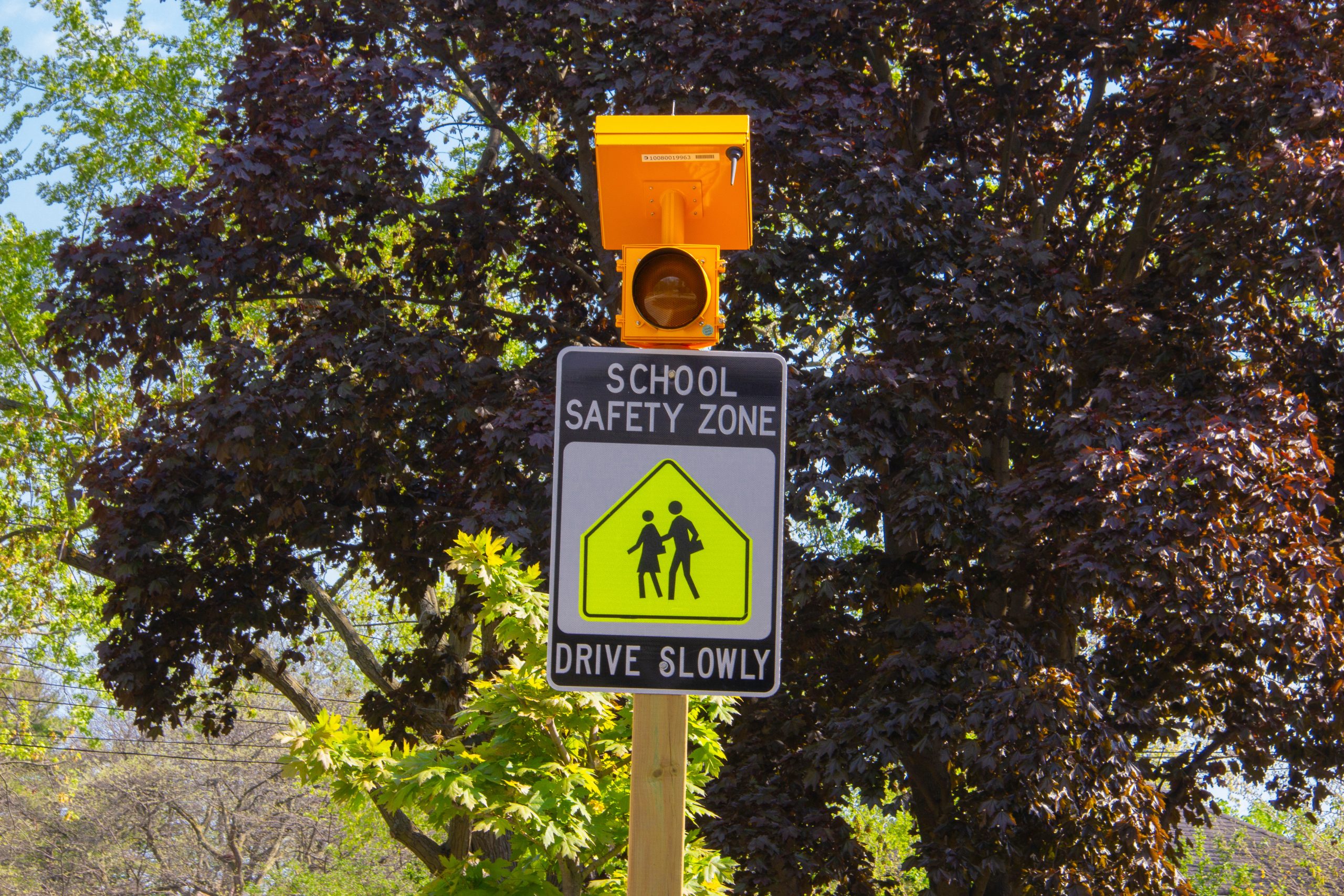
Now, for the segment that might prompt you to reach for a towel and conceal yourself: the repercussions. Engaging in reckless driving in California is categorized as a misdemeanor offense[2] under California Vehicle Code 23103 and can result in:
- Penalties: Anticipate shelling out an amount ranging from $145 to $1,000.
- Imprisonment: You may face a maximum of 90 days in county jail.
- Probation: The court may impose a leash-like restriction for a period of up to three years, which may involve community service or similar measures, such as potentially participating in beach cleanups.
However, there is more to this daring escapade that one must consider:
- Points: Engaging in reckless driving in California results in the addition of two points to your driver’s license, which has the potential to cause a significant increase in your insurance rates, similar to a towering wave that could distress your financial situation[3].
- Insurance troubles: Anticipate a significant increase in your rates, rendering your exhilarating drive even costlier – akin to purchasing a surfboard crafted from pure gold.
- License suspension: In certain circumstances, your license may be suspended by the court, resulting in the restriction of your driving privileges and prohibiting you from enjoying leisurely trips.
Aggravating Factors That Can Enhance Reckless Driving Penalties
Believe that you can simply disregard a reckless driving ticket like an annoying sand flea. Well, it’s time to rethink your perspective! Specific variables have the potential to escalate this situation into a complete shark assault:
- Reckless driving causing injury or death: If your negligent actions result in injury or fatality, you will be confronted with severe felony charges[4] that could lead to a lengthy prison sentence. This outcome would be irreversible and have long-lasting consequences.
- Repeated offenses: Accumulating charges for reckless driving California? The courts will not be pleased, and the consequences become more severe with each offense of reckless driving – akin to facing larger waves with every attempt to paddle out.
- Reckless driving in specific zones (e.g., school zones): Endangering children in a school zone? Be ready for even more severe penalties.
Legal Defenses Against California Reckless Driving Charges
If you have been charged with reckless driving in California, there is no need to lose hope!
While legal defenses may be available to you, it is important to keep in mind that successfully navigating through legal complexities necessitates the expertise of a competent Los Angeles DUI attorney rather than relying solely on inadequate resources.
Some of the most common defense techniques are:
- You were not the driver: If you are not the driver, demonstrate your absence from the driver’s seat by providing evidence.
- Necessity: Demonstrate a valid justification for disregarding the regulations, such as transporting an individual to the hospital urgently.
- You Weren’t Driving With Wanton Disregard: Make the case that your actions, although daring, did not demonstrate a total lack of concern for safety.
It is important to keep in mind that these legal affairs are intricate, therefore it is imperative to seek the assistance of a skilled criminal defense lawyer. They can provide guidance in comprehending the available choices, constructing a resilient defense, and advocating for the most favorable resolution.
Similar to how a proficient lifeguard safeguards you in the sea, a competent lawyer can assist you in navigating the legal field and evade potential setbacks!
Offenses Related to Reckless Driving in California
Engaging in similar hazardous driving behaviors in California can lead to legal trouble due to the additional laws in place. Let’s take a closer look:
Reckless Driving Resulting in Serious Injuries – 23105 VC
Engaging in California reckless driving results in severe injuries[5]. This is considered a felony with even more severe consequences, akin to confronting an enormous wave that has the potential to shatter your prospects.
Speed contests – 23109a VC
Reckless driving competitions such as drag racing or street racing can result in substantial monetary penalties and the possibility of incarceration[6].
Wet reckless
“Wet reckless”[7] is a term commonly used in the context of driving and alcohol-related offenses. It refers to a plea bargain in DUI (driving under the influence) cases, where the defendant pleads guilty to a lesser charge of reckless driving involving alcohol or drugs. This is often sought after by individuals charged with DUI as it comes with potentially lesser penalties than a DUI conviction.
The advantages of a wet reckless plea might include lower fines, no mandatory jail time, shorter DUI school requirements, and it may have a less severe impact on car insurance rates than a DUI conviction. However, it’s important to note that a wet reckless plea still indicates alcohol or drug involvement and can be considered a prior offense if the individual is later charged with another DUI.
How a Defense Attorney Can Help
If you find yourself entangled in the turbulent waters of reckless driving charges, it is not advisable to venture out on your own. A proficient criminal defense attorney has the ability to act as your legal savior, providing:
- Clarity: Achieve clarity by deciphering complex fees and examining the alternatives available to you.
- Defense Strategy: A goog strategy involves constructing a customized argument that relies on compelling evidence and the presentation of mitigating factors.
- Negotiation power: Advocate for the reduction of charges or penalties.
- Courtroom Champion: Advocate for you with compelling arguments, defending and asserting your rights.
- Future Protection: Ensure a reduction in the long-lasting consequences on your life through future safeguarding.
Do not brave the waves by yourself. Contact us to discover reliable criminal defense attorneys with expertise and navigate through the tempest together!
Let’s recap together!
The purpose of the highway is to offer a sense of liberation and pleasure, rather than engaging in irresponsible actions. By acquainting yourself with California’s legislation on reckless driving and grasping the potential repercussions for violations, you can ensure the safety of yourself, others, and your finances.
It is important to bear in mind that practicing responsible driving is essential for a pleasant and seamless travel experience. Additionally, in the event that you are confronted with allegations, it is advisable to promptly seek the guidance of a legal advisor.
Frequently Asked Questions
Is reckless driving a misdemeanor or felony in California?
Reckless driving under Vehicle Code 23103 is typically charged as a misdemeanor. However, it becomes a felony under VC 23105 if the reckless driving causes serious bodily injury to another person. Repeat offenses and reckless driving in school zones can also result in enhanced penalties.
How many points does a reckless driving conviction add to your license in California?
A reckless driving conviction adds two points to your California driving record. Accumulating too many points within a set period can trigger a license suspension by the DMV, and the points will also cause a significant increase in your auto insurance rates.
Can reckless driving charges be reduced or dismissed in California?
Yes. Common defenses include arguing that you were not driving with wanton disregard for safety, that you were not the driver, or that circumstances created a necessity for your driving behavior. A skilled defense attorney can also negotiate a plea reduction for example, to an infraction or challenge the evidence presented by the prosecution.
What is the difference between reckless driving and a “wet reckless” in California?
A standard reckless driving charge involves driving with disregard for safety, with no alcohol component required. A “wet reckless” formally reckless driving involving alcohol or drugs is typically a plea bargain offered in DUI cases. While it carries fewer penalties than a DUI conviction, it still counts as a prior offense if you are later charged with DUI.
Can a reckless driving conviction affect my car insurance in California?
Yes, significantly. A reckless driving conviction places two points on your license, which insurers treat as a major risk indicator. Expect a substantial premium increase at your next renewal. In some cases, your insurer may choose not to renew your policy at all, requiring you to seek high-risk coverage.
References
- Law section. (n.d.).https://leginfo.legislature.ca.gov/faces/codes_displaySection.xhtml?lawCode=VEH§ionNum=23103.
- Manshoory, S. (2023, September 20). Is a DUI a felony or a misdemeanor? | Manshoory Law. Manshoory Law Group, APC. https://manshoorylaw.com/blog/dui-felony-misdemeanor/
- State of California Department of Motor Vehicles. (2024, April 16). Driver negligence – California DMV. California DMV. https://www.dmv.ca.gov/portal/driver-education-and-safety/dmv-safety-guidelines-actions/negligence/
- Misdemeanor and felony possible consequences | Manshoory Law. (2022, January 17). Manshoory Law Group, APC. https://manshoorylaw.com/misdemeanor-and-felony-consequences/
- Law section. (n.d.). https://leginfo.legislature.ca.gov/faces/codes_displaySection.xhtml?sectionNum=23105.&lawCode=VEH
- Law section. (n.d.). https://leginfo.legislature.ca.gov/faces/codes_displaySection.xhtml?lawCode=VEH§ionNum=23109
- Wet reckless charge in Los Angels, California | Manshoory Law Group. (2021, December 7). Manshoory Law Group, APC. https://manshoorylaw.com/dui-attorney/wet-reckless-charge/

Feb 24, 2024
In criminal law, certain words can easily be confusing or synonymous with each other. Look at the words murder vs homicide vs manslaughter, for example.
Although these terms are often used confidently, each one means something quite different from the other two. And knowing that difference matters for those dealing with the very complicated legal world of criminal justice.
What is Homicide?
Now, let’s get clear about the background of this conversation: homicide. But, what is homicide? Well, in a broad sense, homicide means one person causing another’s death, with clear exceptions.
In other words, not all homicides are considered crimes. Some are justified by law, like acts of self-defense[1] or those committed in the line of duty by police officers.
When a homicide is ruled criminal[2], it is categorized as either “murder” or “manslaughter.” Felony murder is the more serious of the two. It is the deliberate killing of a human being with malice aforethought.
First-degree murder, second-degree murder, and manslaughter are all terms that have various meanings according to the jurisdiction and are types of homicide. In other words, all of these are included in the term “homicide.”
Understanding Murder
Murder is generally seen as the most serious kind of criminal homicide. As is intended and unlawful, it involves the killing of another, although it has been divided into different degrees of murder[3].
For example, first-degree murder usually involves premeditation and planning, and it includes capital murder. On the other hand, second-degree murder may include an intentional act without premeditation. Malice aforethought is a necessary element in these forms of murder, but not in others.
Malice aforethought means to intend to cause harm or take a life on purpose. When we dig into the motivation of murder[4], this becomes clear. Sometimes, people methodically resort to murder to acquire a large fortune or to rid themselves of a partner who is obstructing the way to their financial success. These calculated acts of violence are often meticulously planned, with the perpetrator going to great pains to not leave a trace but still escape attention.
As it might be clear by now, murders now have various motives. These range from profit killing for business purposes to personal vendettas between Individuals. And let me tell you something, the punishment for murder reflects society’s hatred of this crime, as sentences often change depending on jurisdiction and aggravating conditions.
What is Manslaughter?
Now, let’s change paths and talk about what is manslaughter. What is manslaughter? This term refers to an unlawful killing of another person without premeditation or malice aforethought.
The unlawful killing of another without malice aforethought is hands-down manslaughter. Unlike murder, manslaughter typically lacks the element of intention to cause death. Instead, it may result from reckless behavior or a sudden, heat-of-the-moment act.
Plus, manslaughter can be further divided into two[5], namely voluntary and involuntary. Let’s take a closer look at both:
- If the intentional killing is premeditated but the defendant acted during a period of provocation or under conditions of passion, it is known as voluntary manslaughter.
- In contrast, involuntary manslaughter occurs with unintentional killings by conduct that is either conscious or, at any rate, wantonly reckless, including vehicular manslaughter while driving under the influence of drugs or alcohol.
As we can see, understanding the difference between manslaughter vs murder is necessary for the legal system. Whether a given murder deserves lighter penalties than others depends on things like what the circumstances were, or whether anyone else has been killed already and this is their second or third attempt. This is the task of the law to determine by considering all these factors and keeping justice from being miscarried.

Comparative Analysis: Murder vs Manslaughter vs Homicide
Defining murder vs homicide vs manslaughter can be boiled down to the fact that all of them involve taking a life without justification. But the key difference between murder and manslaughter is whether the killer had a specific intention and their state of mind.
However, we can go even deeper than that! Let’s take a closer look at some of the most important differences:
Murder: Requires specific intent to kill (malice aforethought).
Manslaughter: No specific intent to kill, intent only in provocation or reckless disregard for life.
Homicide: No distinction based on intent, encompasses all killing, including self-defense and accidents.
Murder: Often involves premeditation (planning) but it is not always required.
Manslaughter: No premeditation involved.
Homicide: No distinction based on premeditation.
Murder: This can occur in any circumstance, but aggravating factors can increase penalties.
Manslaughter: Often involves extenuating circumstances like provocation or recklessness.
Homicide: Covers all circumstances, including justifiable homicides like self-defense.
Murder: Most serious charge, carries the heaviest penalties, often life imprisonment or death sentence.
Manslaughter: Less severe charge, varying penalties depending on type[6] (voluntary or involuntary), typically imprisonment sentences.
Homicide: Not a specific charge, encompasses all killings, so penalties vary greatly depending on circumstances.
Murder: Self-defense, insanity, lack of intent, mistaken identity.
Manslaughter: Similar defenses to murder, plus heat of passion, and provocation.
Homicide: Justifiable homicide (self-defense, law enforcement) is a complete defense.
Additional Differences:
- Homicide is an umbrella term encompassing all killings, legal and illegal, while murder and manslaughter are specific types of illegal homicide.
- The specific definitions and legal nuances of these terms can vary depending on the jurisdiction.
- Understanding intent, circumstances, and premeditation is crucial for distinguishing between different types of killing and determining appropriate charges and penalties.
Legal Consequences and Sentencing: Manslaughter vs Murder
When considering the legal consequences, the differences between manslaughter vs murder become even more important. Given that murder involves a high degree of premeditation and malice, it is generally viewed as being more serious. Thus, murder charges[7] often lead to longer sentences, including life imprisonment, or in some places even the death penalty.
On the other hand, manslaughter does not require so much forethought; nor does it involve such malice. Consequently, manslaughter charges appear to warrant somewhat less punishment. Individuals convicted of manslaughter might be given shorter prison terms–or other forms of punishment. It all depends on the jurisdiction and the specific circumstances of the case.
Conclusion
Put in a nutshell, the distinctions between murder vs homicide vs manslaughter are mainly based on intent, premeditation, and malice aforethought. Even though all three involve killing someone illegally, murder is the intentional killing of a human being with premeditation and malice. In contrast, manslaughter encompasses killings without premeditation or with mitigating factors.
For anyone, including legal professionals, it is important to appreciate these nuances. Understanding the meaning of these words is the way for all of us to engage in logical, well-documented discussions about everything from criminal justice to public safety.
So if you ever happen to see words such as “murder”, “manslaughter”, or “homicide,” just remember that each has a unique meaning and represents a different level of criminal responsibility. Knowledge is power, especially in dealing with law.
References
- Manshoory, S. (2023, September 20). CA Self-Defense Laws | Legal Definition of Self-Defense | Manshoory Law. Manshoory Law Group, APC. https://manshoorylaw.com/blog/california-self-defense-law-legal-definition/
- The Law of Homicide https://www.in.gov/ctb/files/appendix1.pdf
- Manshoory, S. (2024, March 7). Difference between 1st, 2nd, and 3rd-Degree murders? | Manshooey Law. Manshoory Law Group, APC. https://manshoorylaw.com/blog/difference-between-1st-2nd-and-3rd-degree-murders/
- Morrall P. (2006). Murder and society: why commit murder? https://www.crimeandjustice.org.uk/sites/crimeandjuorg.uk/files/09627250608553401.pdf
- What is the Difference Between Voluntary and Involuntary Manslaughter? (n.d.). UNC School of Government. https://www.sog.unc.edu/blogs/nc-criminal-law/what-difference-between-voluntary-and-involuntary-manslaughter
- §2A1.3 VOLUNTARY MANSLAUGHTER. (2016, April 23). United States Sentencing Commission. https://www.ussc.gov/policymaking/meetings-hearings/%C2%A72a13-voluntary-manslaughter
- Manshoory, S. (2023, September 20). What are the Penalties for Attempted Murder in CA? | Manshoory Law. Manshoory Law Group, APC. https://manshoorylaw.com/blog/what-are-the-penalties-in-california-for-attempted-murder/

Feb 23, 2024
Operating a vehicle in California involves obligations that extend beyond mere knowledge of traffic regulations. An essential factor to consider is comprehending the implied consent statute, which governs the choices available to you when confronted with a DUI apprehension.
This article extensively explores the legal structure, repercussions, and possible justifications concerning implied consent in California. By providing you with this information, you have the option to make well-informed choices during crucial circumstances.
What is Implied Consent?
What is implied consent specifically? Well, it’s actually pretty simple1. By operating a motor vehicle on California roads, you implicitly agree to field sobriety tests2 or chemical tests (breath, blood, or urine) if arrested for driving under the influence (DUI).
The most common way to check how much alcohol someone has is a breathalyzer test. This method is used to measure the blood alcohol concentration (BAC)3, also known as blood alcohol content BAC, of a driver. It’s like blowing into a special straw, and it measures the alcohol fumes in your breath. It’s quick and easy, but not super accurate.
For a more precise reading, they can do blood tests, but a medical professional4 is required for that. The blood gets sent to a lab for testing, so it takes longer but it’s way more accurate.
The implied consent law, in other words, empowers law enforcement to obtain evidence of intoxication, enhancing road safety and deterring drunk driving.
Legal Framework of Implied Consent in California
The legal foundation for the concept of implied consent is established within the California Vehicle Code (CVC) through Sections 23610 and 236125.
These provisions define the driver’s tacit agreement, the responsibilities of law enforcement officers in terms of notifying drivers about this provision, and the potential ramifications of refusing to undergo the test results6.
Conditions under which implied consent law is applied

The implied consent law becomes applicable under two pivotal circumstances:
- Legal DUI Stops and Arrests: The officer is required to possess reasonable grounds for suspecting DUI, indicating that they have witnessed indications of your impairment while operating a vehicle. This may encompass unpredictable vehicular behavior, incoherent verbal communication, or the scent of alcoholic beverages.
- Situations leading to implied consent scenarios: Upon being lawfully arrested for DUI, the officer will ask you to comply with a chemical test. One has the option to undergo either a preliminary roadside breath test (PAS) or a more extensive examination at the station7. Refusing any of these tests triggers the consequences of violating implied consent.
Consequences and Penalties for Refusing a Chemical Test
It is important to note that there are both immediate and long-lasting penalties for refusing the request for a chemical test. Let’s take a closer look:
-
- Immediate consequences of refusal: In the event of refusal, your license will be automatically suspended administratively for a duration of one year. This consequence remains applicable regardless of whether or not you are convicted of DUI charges in court.
- In addition to potential criminal charges for the DUI offense, there is a possibility of incurring supplementary fines and administrative penalties.
- Long-term impact on DUI cases: In court, although your refusal cannot serve as direct evidence of intoxication, it can be introduced by the prosecution to imply a sense of guilt and bolster their argument against you.
Declining to undergo a test frequently results in more severe consequences and sentencing upon being found guilty, which may include extended license suspensions, elevated fines, and potentially even imprisonment.

Exceptions and Defenses against Implied Consent Violations
Still, there are recognized exceptions to the implied consent rule. Here are some examples:
- In cases of medical conditions, individuals may be excused from the test if they possess documented evidence from a physician confirming their valid reason for refusal.
- In the event of an unlawful DUI stop8 or arrest where the officer lacked reasonable grounds, your refusal to comply would not be considered a violation of implied consent.
Typical strategies employed to protect against infringements on implied consent encompass:
- Insufficient notification provided by the arresting officer: It is imperative that the officer clearly communicates the implications of the implied consent law and the repercussions of declining. Neglecting to do so can render the violation invalid.
- Involuntary intoxication: If you were subjected to involuntary intoxication, wherein you were unknowingly drugged or intoxicated without your explicit consent, this would not be regarded as a voluntary act of refusal.
Challenging the implied consent violation
If you suspect that your implied consent rights were infringed upon, you retain the right to dispute the suspension and its potential repercussions. Seek the advice of a skilled criminal defense attorney or DUI lawyer who can evaluate your situation and provide guidance on navigating the legal procedures involved in challenging the violation.
In summary

Basically, by driving in California, you automatically agree to take a chemical test if the police have good reason to think you’re under the influence. But here’s the twist: Knowing your rights can make a big difference!
Knowing what you can and can’t do, what happens if you refuse, and even how a lawyer can help—all that information can seriously impact your outcome. It’s not about getting away with something; it’s about making informed choices in a tough spot.
So, the next time you’re enjoying the California sun, remember that a little knowledge about implied consent can go a long way. And if you ever find yourself pulled over, don’t hesitate to ask for clarification or even seek legal advice. It’s your right, and it could make all the difference.
References
- INTERPRETATION OF IMPLIED CONSENT LAWS BY THE COURTS | Office of Justice Programs. (n.d.). https://www.ojp.gov/ncjrs/virtual-library/abstracts/interpretation-implied-consent-laws-courts\
- Field Sobriety Tests in California | Los Angeles Drunk Test | Manshoory Law Group. (2021, December 6). Manshoory Law Group, APC. https://manshoorylaw.com/dui-attorney/field-sobriety-tests/
- Legal Alcohol Limit | What are the BAC Levels in California | Manshoory Law. (2022, March 9). Manshoory Law Group, APC. https://manshoorylaw.com/am-i-over-the-drinking-limit/
- Blood alcohol level. (n.d.). https://medlineplus.gov/lab-tests/blood-alcohol-level/
- Law section. (n.d.). https://leginfo.legislature.ca.gov/faces/codes_displaySection.xhtml?lawCode=VEH§ionNum=23612
- Manshoory, S. (2023, December 20). Can you refuse a DUI test? | Manshoory Law. Manshoory Law Group, APC. https://manshoorylaw.com/blog/what-happens-if-i-refuse-a-dui-test/
- Preliminary breath test concept in Traffic Enforcement (PBT and DWI (Driving while Intoxicated) enforcement) | Office of Justice Programs. (n.d.). https://www.ojp.gov/ncjrs/virtual-library/abstracts/preliminary-breath-test-concept-traffic-enforcement-pbt-and-dwi
- Manshoory, S. (2023, September 20). What to do if the police stop you for suspected DUI? | Manshoory Law. Manshoory Law Group, APC. https://manshoorylaw.com/blog/what-to-do-if-the-police-stop-you-for-suspected-dui/

Feb 16, 2024
Facing criminal charges in California with prior strike convictions can significantly impact your sentencing outcome. In such situations, understanding the “Romero Motion” becomes crucial. This legal tool offers a glimmer of hope, potentially leading to the removal of prior strikes and, consequently, a reduced sentence.
You committed an error, experienced the outcomes, and served your sentence. However, at present, California’s notorious Three Strikes law is impeding your progress, posing a risk of severe consequences for even a minor transgression. This situation appears unjust and gives the impression that the system is heavily biased against you. However, the ray of optimism is the Romero Motion.
Stay tuned as we explore this intricate subject!

What is a Romero Motion?
But what is a Romero Motion specifically? Consider a Romero Motion as a legal tool akin to an eraser, specifically crafted to eradicate the detrimental strike designation associated with a prior conviction. Doing so can significantly diminish the potential sentence you or a loved one may encounter under the Three Strikes Law [1].
Imagine the scenario of transitioning from receiving a 25-year-to-life sentence for a minor theft offense to being subjected to a just and appropriate penalty that acknowledges one’s personal development and successful reformation. This prospect seems rather promising.
It’s important to note that a Romero Motion is not a direct challenge to the constitutionality of the Three Strikes Law itself, but rather a legal avenue to address its potential harshness in certain cases.
Historical Background of Romero Motion
In 2007, the California Supreme Court acknowledged the potential excessiveness of the Three Strikes law and introduced the Romero Motion California, granting judges the authority to recognize individuals who have successfully rehabilitated themselves.
It all started with a landmark case known as People v. Romero [2]. Jesus Romero, convicted of petty theft (a candy bar!), also had a past burglary conviction—his first strike. The Three Strikes law saw red and demanded a life sentence.
But the California Supreme Court [3], realizing the excessiveness of the Three Strikes rule, stepped in. In the landmark “People v. Romero” case, they created the so-called “Romero Motion” we’re analyzing today, a legal lifeline for people facing unfairly long sentences.
But this wasn’t just about Romero. It was about countless others trapped by the Three Strikes’ rigidity. The Romero Motion empowered defense attorneys to argue for justice, considering each case’s unique circumstances and the potential for someone like Romero to have truly changed.
So, was Romero freed? He didn’t walk away scot-free, but his sentence became far more proportional to his actual crime. And more importantly, countless others got a chance to fight for a fairer future, thanks to a landmark case that started with a candy bar and a fight for justice.
The Three Strikes Law: An Overview
Imagine you stumble, make a mistake, and end up with a criminal record [4]. Years later, you’ve turned your life around, but that past mistake hangs over you like a dark cloud. Enter the Three Strikes Law: a California rule that says two “strikes” on your record, even for non-violent offenses, and your next slip-up, no matter how minor, could land you in prison for 25 years to life.
Now, some folks believe the Three Strikes Law is necessary to keep dangerous criminals off the streets. But critics argue it throws the book at everyone, regardless of the circumstances. Imagine getting years and years in prison for petty theft because you have two prior non-violent convictions! It seems a bit excessive, right?

The Romero Motion California aims to fix that imbalance. It lets trial judges consider the individual, their rehabilitation efforts, and the nature of their current offense. So, while it doesn’t erase the past, it offers a chance for a more proportional sentence and a brighter future.
Does Removal Of A Strike Also Strike The Conviction From My Record?
Although a victorious Romero Motion eliminates the designation of strike offenses, the conviction remains present on your record.
However, it is akin to contrasting a scarlet letter with a faded blemish. This infraction no longer automatically excludes you from employment, housing, or other prospects. This represents a move taken to reconstruct one’s life.
How to File a Romero Motion
If you are thinking about filing a Romero Motion, attempting this path on your own is not advisable, that must be said! Filing a Romero Motion involves complex legal intricacies that are best handled by a proficient criminal defense attorney.
Here is an overview of the steps that you should usually follow:
- Consult with an experienced criminal defense attorney: A knowledgeable attorney will assess the unique circumstances of your case and guide you through the intricacies of filing a Romero Motion.
- Gather supporting evidence: It’s crucial to compile compelling evidence that supports your argument for striking a prior strike conviction. This may include character references, rehabilitation efforts, and other relevant documentation.
- File the motion with the court: Your attorney will draft and file the Romero Motion on your behalf, outlining the legal grounds and substantial reasons to motion to dismiss a prior strike conviction.
- Attend the motion hearing: The court will schedule a hearing to review your Romero Act and consider the arguments presented by both the prosecution and your defense team. It’s vital to be prepared and present your case persuasively.
- Await the court’s decision: After considering all the evidence and arguments, the court will either grant a Romero Motion. If successful, the prior strike conviction will be stricken, potentially resulting in a reduced sentence.
Upon evaluating your situation, gathering evidence, and constructing a persuasive case, they will emphasize your rehabilitation, the characteristics of your prior offense, and the potential injustice of the Three Strikes Law in your particular circumstances. Consider them your legal advocate, diligently pushing for a renewed opportunity.
Arguments For and against Romero Motions
There are individuals who hold a strong affinity for Romero Motions, perceiving them as a symbol of optimism that safeguards rehabilitated individuals from excessively severe consequences, even in scenarios like committing burglary, attempted burglary, or other crimes.
Additionally, they highlight the potential racial discrimination present in the Three Strikes law, which disproportionately affects minority communities.
Concerns have also been expressed regarding its potential to diminish the law’s effectiveness and potentially compromise public safety. The discussion surrounding this issue might be difficult to approach, as it prompts inquiries regarding fairness, reformation, and maintaining the well-being of all individuals involved.
Impact of Romero Act on Sentencing Practices
Critics argue that Romero Motions weaken the Three Strikes Law’s intended deterrent effect, potentially jeopardizing public safety. The debate continues, highlighting the complex tension between justice, rehabilitation, and public protection.
However, one thing remains clear: the Romero Act left an indelible mark. It challenged the inflexibility of the Three Strikes allegations, injected nuance into sentencing practices, and offered a glimmer of hope for those seeking a more just and proportionate outcome. Its legacy ripples even today, sparking ongoing discussions about balancing accountability with second chances within the California justice system.