
Jan 27, 2022
Shaheen Manshoory
More than half of defendants in criminal cases plead guilty to their charges, and if you have never been formally accused of a crime, you might wonder why so many people plead guilty. Cases where defendants plead guilty to crimes they did not commit happen much more often than you might imagine. In some cases, defendants plead guilty because police, prosecutors, or even public defenders bully them into it, such as by convincing them that the jury will never believe them even if they tell the truth or that the judge will never allow the defendant’s attorney to present evidence that indicates the defendant’s innocence, or at least casts doubt about the defendant’s guilt. In other instances, though, a defendant pleads guilty to a crime, because the crime they actually committed is even worse, and through a plea deal, the prosecution agrees to drop other charges if the defendant pleads guilty to the lesser crime. Likewise, the sentences tend to be lighter in cases where defendants plead guilty than those where they are convicted at trial. If you have been offered a plea deal for a drug offense, or if you want to know if it is possible to seek one, contact a Los Angeles drug crimes defense lawyer.
Victorville Man Gets Plea Deal After Drug Bust
In December 2021, Ismael Barbosa was staying at the Extended Studio Hotel at Victorville, and police began to suspect that he was selling drugs out of his hotel room. ON December 22, police executed a search warrant of Barbosa’s room, and they found two firearms without serial numbers, as well as fentanyl, methamphetamine, ammunition, drug packaging materials, and large amounts of cash. Barbosa was not in his room at the time; he was out driving, and police pulled his car over at a traffic stop and arrested him.
After the arrest, prosecutors charged Barbosa with transporting and selling controlled substances and possession of a firearm by a convicted felon. Barbosa pleaded not guilty to those charges, but after prosecutors offered him a plea deal, he withdrew his plea of not guilty. In January 2022, he pleaded guilty to possession of a controlled substance while armed with a loaded firearm. A judge sentenced him to two years of incarceration in the California Institution for Men in Chino. Before entering the plea of no contest, Barbosa, 28, had been at the High Desert Detention Center in Adelanto. The judge had set his bail amount at $150,000, but Barbosa did not post bail. The Daily Press website did not specify when, if at any time during his sentence, Barbosa will become eligible for parole and whether the time he spent in jail before his sentencing will count toward his sentence.
Contact the Manshoory Law Group About Drug Crimes Defense
A Los Angeles criminal defense lawyer can help you if you are being accused of possessing or distributing controlled substances. Your initial consultation is always free, so contact us at Manshoory Law Group in Los Angeles, California or call (877)977-7750 to discuss your case.
Jan 18, 2022
Shaheen Manshoory
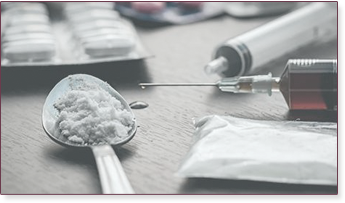
The federal law considers a Schedule 1 drug the one that comes with a high potential for addiction and abuse. It’s also a substance that doesn’t have an acceptable safety level to use under medical supervision or accepted medical treatment in the United States at all. Finally, you can’t get a prescription for these drugs.
In this article, we are focusing on discussing the list of Schedule 1 drugs and related Californian law implications. Here is what you should know about using these substances and potential penalties in California!
What Are Drug Classifications?
These are federal drug classifications, which relevant experts designed after serious consideration. Here is the overview of the categories:
- Schedule 1 substances. We’ll focus on Class 1 drugs in this guide. It’s vital to mention that marijuana has a special status in California, although it belongs in this group.
- Schedule 2 drugs. Morphine, cocaine, and methadone are in this category. They have a high addiction risk but come with accepted medical use with certain restrictions.
- Schedule 3 drugs. Codeine, anabolic steroids, and barbiturates are in this class. The US federal law approves medical use, but it can lead to high psychological and moderate physical dependence.
- Schedule 4 drugs. Xanax and Valium are the most famous examples of these substances, which can lead to limited dependence.
- Schedule 5 drugs. This class has the lowest risk of abuse or addiction, such as a cough medicine that contains some codeine.

What Is a List of Schedule 1 Drugs?
We already answered the question, “what is a Schedule 1 drug?” These substances come with a high risk of abuse and addiction. Here is a detailed overview of the drugs in this class.
Heroin
This powder is a highly addictive drug coming from the opium poppy plant. It’s a couple of times more powerful than morphine. You can snort, smoke, or inject it for potential pain relief and a euphoric feeling. Unfortunately, the abusers often aren’t aware of the drug’s actual power, which might be the reason behind overdose cases.
LSD
Lysergic acid diethylamide is a full name that most users probably aren’t familiar with at all. It’s a synthetic hallucinogen, which often alters our minds in positive or negative ways. LSD affects your ability to make rational decisions, and you can experience flashbacks or anxiety after using it.
Marijuana
The answer to the question “is marijuana a Schedule 1 drug,” is yes. It’s because you have a high risk of getting addicted. However, Californian law approves cannabis products for both medical and recreational use. There are certain limitations, which are also mentioned in the federal law. For example, the federal regulations mention that cannabis products with a THC quantity of up to 0.3% are legal.
Mescaline
The other name is peyote, and this is another hallucinogen. Unlike LSD that comes from a fungus, this one is derived from a cactus plant. Visual hallucinations and euphoria are what the users experience after taking it. The side effects are vast and include psychosis, tremors, anxiety, and tachycardia.
MDMA or Ecstasy
MDMA is another synthetic drug with psychoactive properties. It’s a hallucinogen that comes with many side effects, especially with consistent use. That includes depression, losing focus, fatigue, etc. High doses of MDMA can lead to hyperthermia, which could cause organ failure.
GHB
This is an abbreviation for Gamma-Hydroxybutyrate, which you might also know as the date rape drug. It is a CNS depressant many put in alcoholic drinks. Users experience a sex drive boost and euphoria. However, that also comes with side effects like hallucinations, nausea, sweating, and even coma. GHB has been in the Schedule 1 Drug class since 2000.
Psilocybin
If you heard about magic mushrooms, that’s what psilocybin is. This compound comes from mushrooms, and it is a hallucinogen. It can result in a bad trip, which can lead to horrifying experiences after consuming the drug. Although some clinical studies were performed, this is still a Class 1 drug.
Synthetic Marijuana and Analogs
It’s been on the US market since the 2000s. The idea is to duplicate the effect of marijuana, or THC, which causes the psychoactive effect. Synthetic cannabinoids can be harmful and cause tachycardia, hypertension, hallucinations, and anxiety. Some users even reported severe bleeding after taking these compounds.
Methaqualone
This is another synthetic that acts as a CNS depressant. It was popular in the US before the DEA outlawed it in 1980. Also known as quaaludes, this drug induces drowsiness and acts as a sedative-hypnotic. This drug comes with a wide range of side effects, which is common for Schedule 1 substances.
Khat
These are plant leaves that you can chew. They deliver euphoric and psycho-stimulant effects, which can help to deal with fatigue or as a mood booster. However, there are adverse side effects, such as constipation, CNS, metabolic, and respiratory problems.
Bath Salts
These are not the products you use in the bathroom. Instead, these are synthetic cathinones that can lead to dangerous intoxication. Users resort to them as a cheap replacement for cocaine, but they can lead to severe panic attacks, insomnia, and violent behavior. Bath salts are particularly dangerous in high doses.

Why Is Marijuana a Schedule 1 Drug?
If you are wondering “what class drug is a weed in,” the answer is the first. It indicates that marijuana has a high risk of addiction and abuse. However, California law has a special treatment for marijuana.
According to the local regulations, it’s legal to possess up to 28.5 grams of cannabis. That converts to about an ounce of this plant material. The limit for concentrated cannabis is eight grams.
There are some other strict regulations implemented by the Californian law:
- If you are younger than 21, you can’t possess any amount of marijuana because they risk an infraction.
- Those who get caught for possession near or in a school will be charged with a misdemeanor.
- If you possess more than 28.5 grams and you are over 18 years old, that’s an infraction. If you are younger than 18, it’s an infraction.
- You can’t possess any marijuana in an open package or container or a vehicle. That is an infraction.
What Is the Penalty for a Schedule 1 Drug in California?
Schedule 1 drug penalties are harsher than for lower categories of controlled substances. That’s because these have the highest risk of addiction and abuse. Here is an overview of different situations and potential legal consequences.
Possession
Most drug possessions in California end up as misdemeanors. Specific circumstances, such as large drug amounts, can lead to complications and charges of a felony. But how does the law determine you possess those drugs?
The first case is when you have drugs on you. That’s when you exercise direct physical control over the substance, and it’s classified as actual possession. The alternative could be constructive possession, which indicates the drugs were in a place where you can exercise control over them. Let’s say that you were driving a car, and the drugs were in the trunk. It’s somewhere you had access to, which indicates constructive possession.
The possession might not be limited to a single person. If you share it with others, that could indicate joint possession. This is method police often use when discovering who owned the drugs in the first place. If no individual takes the blame, everyone involved gets charges for joint possession.
Selling or Intending to Sell
If you possess a schedule 1 drug with the intent to sell it, the Californian Penal Code considers that a felony. The same applies to other controlled substances. The fines can go up to $20,000, and you could spend up to five years in jail. Your defense could be that the discovery was made during illegal premise searching, or the drugs weren’t yours. A reliable drug crimes attorney can help to come out with an effective defense strategy that can ensure the consequences are as mild as possible.
How do they determine if you have the intent to sell the drug? The usual indicator is you have large quantities of it. However, measurement tools, keeping the drug in small baggies, or having large cash sums can also be among indicators. The more factors implicate you intended to sell the drugs, the more complicated your case is.
Manufacturing
The Californian law considers manufacturing drugs that are among controlled substances a felony. You could be facing anywhere from three to seven years for this crime, while the potential fine goes up to $50,000. There’s no need to handle or use drugs to face these charges.
Here is what could increase a potential penalty for manufacturing drugs:
- A large number of drugs were manufactured.
- There’s a person under 16 years old in the facility where the drugs were made.
- The manufacturing process was occurring within 200 feet of a residential property or structure where people spend time.
It gets worse because manufacturing drugs also come with other charges. Those could include selling drugs, but also gang activity, weapon charges, etc. You might be facing a variety of parole requirements, such as drug testing and check-ins with the parole office. If you have an expert criminal defense lawyer in your corner, they might be able to help get the best possible outcome.
What Does the Controlled Substances Act Do?
The idea of the Controlled Substances Act is to group all substances that the federal law regulates in different categories. The United States Drug Enforcement Administration has five different schedules for all substances. The placement of a particular product depends on safety, medical use, and potential for abuse.
Not all substances are a part of this schedule. It’s also possible to remove a compound from control and transfer it between categories. That requires the authorities to follow the DEA procedures for these matters.

Jan 3, 2022
Shaheen Manshoory
Crimes involving the sexual exploitation of minors are prosecuted at the highest level of the federal justice system. These offenses often involve extensive digital evidence, cross-border investigations, and mandatory sentencing rules that leave courts with limited discretion in severe cases. Production and distribution of child sexual abuse material (CSAM), commonly referred to as child pornography under federal statutes, can result in decades in prison or, in extreme cases, life imprisonment.
A recent federal case in Southern California highlights the serious consequences of these offenses and the scope of modern child exploitation investigations conducted online.
Federal Investigation Into Online Child Exploitation Activity

Billy Edward Frederick of Redondo Beach was investigated by federal authorities after law enforcement identified a large volume of illegal material linked to his online accounts. According to court records and federal prosecutors, investigators discovered more than 5,000 images and videos depicting the sexual exploitation of minors.
The victims identified in the investigation were primarily between the ages of 11 and 14. Federal authorities alleged that Frederick used online communication platforms to contact minors, build relationships, and encourage them to engage in sexually explicit conduct. In some cases, victims were allegedly offered financial incentives in exchange for participation in recorded online interactions.
Court filings further indicated that Frederick admitted to engaging in conduct involving at least 35 minors. These interactions took place over internet-based communication tools, which were later found to contain extensive evidence of recorded conversations and illegal content stored in digital accounts.
Role of Digital Evidence and Federal Agencies
Modern child exploitation investigations rely heavily on digital forensic analysis. In this case, federal agents reviewed online accounts, chat records, and stored media files to establish the scope of the criminal conduct.
Homeland Security Investigations (HSI), a division of U.S. Immigration and Customs Enforcement, led the investigation. HSI routinely investigates crimes involving child exploitation, human trafficking, and online abuse networks that operate across international borders.
Investigators were able to trace online communications, identify victims, and recover large volumes of illicit material. The digital footprint left behind in cloud-based platforms and messaging applications played a central role in building the federal case.
Federal Child Pornography Charges and Guilty Plea
Frederick was charged with federal offenses including production of child sexual abuse material for transportation into the United States and enticement of a minor to engage in criminal sexual activity. These offenses are commonly referred to as child pornography charges under federal law.
The production charge is among the most serious offenses in federal criminal statutes and carries a mandatory minimum prison sentence. Depending on the circumstances, including the age of the victims and the number of offenses, penalties can escalate significantly.
Frederick ultimately pleaded guilty to the federal charges. By entering a guilty plea, he accepted responsibility for his conduct as outlined in the government’s investigation and evidence presentation.
Life Sentence in Federal Child Exploitation Case
After reviewing the evidence, victim impact statements, and sentencing recommendations, the federal court imposed a sentence of life imprisonment without the possibility of parole.
The court’s decision reflected several aggravating factors, including the number of victims involved, the age of the minors, and the repeated nature of the conduct. Federal judges are required to consider sentencing guidelines, but in extreme child exploitation cases, statutory maximum penalties may be imposed when warranted by the severity of the crime.
In addition to life imprisonment, the defendant is subject to financial penalties, restitution obligations to victims, and long-term supervised release conditions. Federal law also requires individuals convicted of child exploitation offenses to comply with strict sex offender registration requirements, which can last for life depending on jurisdiction and offense classification.
Federal Child Sexual Abuse Material (CSAM) Laws
Federal law strictly prohibits the production, possession, distribution, and receipt of child sexual abuse material. These laws are designed to protect minors from exploitation and punish individuals who create, share, or store illegal content.
Common federal CSAM-related charges include:
- Production of child sexual abuse material
- Transportation or distribution of CSAM
- Possession of child pornography
- Enticement or coercion of a minor
- Online solicitation of a minor
Penalties vary depending on the specific charge, but production offenses carry some of the most severe sentencing ranges, including mandatory minimum sentences and potential life imprisonment in aggravated cases.
Penalties for Child Pornography and Federal Sex Crime Charges

Federal child exploitation cases often result in multiple layers of punishment beyond incarceration. Individuals convicted of these offenses may face:
- Long-term federal prison sentences or life imprisonment
- Mandatory minimum sentencing requirements
- Substantial fines and restitution to victims
- Supervised release after imprisonment
- Restrictions on internet and device usage
- Mandatory sex offender registration
These penalties are designed to reflect both the seriousness of the offense and the long-term harm caused to victims. Courts also consider factors such as the number of victims, the nature of the conduct, and whether coercion or financial incentives were involved.
Defense Strategies in Child Pornography Cases
Allegations involving child pornography charges or federal child exploitation offenses require immediate legal attention. These cases are highly complex and often rely on large volumes of digital evidence, including cloud storage data, chat logs, and forensic device analysis.
A criminal defense attorney may examine several key issues, including:
- Whether evidence was obtained through lawful search and seizure
- Accuracy and integrity of digital forensic analysis
- Chain of custody for electronic evidence
- Interpretation of online communications and metadata
- Jurisdictional issues in cross-border investigations
Because federal sentencing guidelines are strict, early intervention by an experienced defense lawyer can significantly impact case strategy and potential outcomes.
Legal Guidance for Federal Child Exploitation Charges
Anyone under investigation for child pornography charges or related federal offenses should seek legal counsel immediately. These cases move quickly through federal courts, and early legal representation can help ensure constitutional rights are protected during investigation and prosecution.
A skilled federal criminal defense attorney can review evidence, identify weaknesses in the government’s case, and develop a tailored defense strategy based on the facts.
Contact a Los Angeles Criminal Defense Lawyer
If you are facing allegations involving child sexual abuse material (CSAM), child pornography charges, or federal sex crime investigations in California, it is important to act quickly. An experienced criminal defense lawyer can evaluate your case, explain your rights, and provide a clear legal strategy moving forward.
Contact the Manshoory Law Group to schedule a confidential consultation and discuss your legal options.

Dec 21, 2021
Shaheen Manshoory
In 1999, when the singer Carnie Wilson broadcast her gastric bypass surgery live on the Internet, the public’s reaction was “only in Los Angeles.” 22 years later, everyone broadcasts their weight loss journey on the Internet, and gastric bypass surgeries are among the less gruesome sights you will see if you idly scroll through videos on YouTube or Facebook. More importantly, weight loss surgery has become just a normal part of medicine.
You don’t have to be a celebrity to have a gastric bypass; in fact, many health insurance companies cover it, including the notoriously stingy Tricare. Insurance companies will only cover the procedure if it is medically necessary, meaning that the patient already has, or is at high risk of developing, other obesity-associated conditions that require equally costly treatment over the patient’s lifetime, such as cardiovascular disease, type II diabetes, or fatty liver disease. One such qualifying condition is obstructive sleep apnea, which can be life-threatening if untreated; to diagnose a patient with obstructive sleep apnea, doctors must conduct a sleep study.
It is obvious to anyone who has spent more than ten seconds in Los Angeles that the weight loss industry is big business. This month, one of L.A.’s superstar weight loss doctors was convicted of health care fraud for billing health insurance companies more than $300 million for medically unnecessary sleep studies and weight-loss surgeries. If you are facing criminal charges for healthcare fraud, contact a Los Angeles fraud crimes defense lawyer.
Julian Omidi Convicted of Mail Fraud, Wire Fraud, Making False Statements, and Money Laundering
Anyone who has visited Los Angeles has seen the billboards for the 1-800-GET-THIN network of weight loss clinics; Julian Omidi’s face is familiar from these billboards. The 1-800-GET-THIN clinics have attracted their share of controversy; for example, Omidi’s medical license was revoked in 2009 after several patients died from complications of weight loss surgery. Even after the revocation of his medical license, Omidi remained involved with the business aspects of 1-800-GET-THIN.
Omidi was arrested in 2018 and charged with 28 counts of mail fraud, three counts of wire fraud, two counts each of money laundering and making false statements, and one count of aggravated identity theft. The charges stem from Omidi’s role in billing insurance companies for expensive sleep studies to determine patients’ eligibility for weight loss surgery. In some cases, the sleep studies were medically unnecessary, as the patients had no symptoms of obstructive sleep apnea.
In other cases, Omidi ordered sleep studies for patients whose insurance plans do not cover weight loss surgery under any circumstances. In some instances, Omidi falsified patients’ medical records to make them appear eligible for weight loss surgery. By the time of his arrest, insurance companies had suffered a total of $355 million in losses due to his fraudulent claims.
Omidi and a co-defendant, Mirali Zarrabi, both pleaded not guilty. Whereas Zarrabi was acquitted, Omidi, whose age news reports give variously as 53 and 58, was convicted on all counts. His sentencing hearing will take place in April 2022. He could face a maximum of 20 years in federal prison. The identity theft charge carries a mandatory minimum sentence of two years and cannot be served concurrently with any other sentences.
Contact Manshoory Law Group About Fraud Crimes Defense
A Los Angeles criminal defense lawyer can help you if you are being accused of defrauding health insurance companies. Your initial consultation is always free, so contact us at Manshoory Law Group in Los Angeles, California, or call (877)977-7750 to discuss your case.
Dec 11, 2021
Shaheen Manshoory
If you have been charged with a felony or misdemeanor, you will have to go to court for arraignment. Depending on what happens during and after your arraignment, you may not need to go to court for trial if the case is dismissed.
What Happens if You Fail to Attend Court?
If you fail to attend a required court date, you can be charged with Failure to Appear (CA Penal Code 1320 & 1320.5). The judge will issue a bench warrant, and you will be arrested and brought to court. Failure to Appear can be a misdemeanor or felony, depending on what you were originally charged with.
As a misdemeanor, failing to show up at court can add six months in county jail and $1,000 in fines to the penalties you are already facing. As a felony, it can result in up to three years in prison and fines of up to $10,000, in addition to any penalties you receive in connection with the existing charges.
You cannot be taken to trial in court without first being charged with a crime and having an arraignment where you hear the charges against you and enter your plea.

How Long After Being Charged Does it Take to Go to Court?
Although you may (or may not) have been told the charges against you beforehand, technically you have not been charged with anything until your arraignment. From this point, you have a right to a speedy trial under both the Sixth Amendment to the U.S. Constitution and Article I, Section 15, of the California Constitution. You also have the ability to waive this right.
What is considered a speedy trial depends on whether you are being charged with a misdemeanor or felony, and whether you are held in custody between your arrest and arraignment.
How Long Does it Take to Get a Court Date For a Misdemeanor?
In the case of misdemeanor charges, you have a right to go to trial within 30 to 45 days of being formally charged. If you were held in custody after your arrest, your arraignment has to happen within 48 hours of the arrest. If you were released after the arrest, your trial must take place within about 10 days.
How Long Does it Take to Get a Court Date For a Felony?
For felony cases, you have the right to go to trial within 60 days of being charged. If you were released or bailed out after your arrest, it can take weeks or in some cases months to be formally charged at an arraignment. If you were held in custody, the arraignment must still happen within 48 hours.

What Happens at an Arraignment?
The arraignment is your first court appearance after getting arrested. At your arraignment, a judge will tell you what the charges against you are and what your constitutional rights are.
You will also respond to the charges by entering a plea, such as guilty or not guilty, although these are not the only pleas you can enter. After you have entered your plea, the judge will decide whether you should be held in jail until your trial.
At this stage, you can be released on your own recognizance until the date of the trial, or the judge can set a bail amount that must be posted for you to be released from jail, or they can refuse to set bail. This decision will be based on the nature of your charges and whether you are deemed a risk to the community, and whether you are deemed likely to run away.
The advice of an expert criminal defense attorney can help you reduce the amount of time you spend in jail while you are waiting for your arraignment and trial, as well as improve the outcomes of these court dates. If you have been charged, or are about to be charged, with an offense, contact us today for a free case analysis.

Dec 10, 2021
Shaheen Manshoory
In California, as in most other states, you can get charged with driving under the influence (DUI) if your blood alcohol content (BAC) is 0.08 percent or higher. If your BAC is well above that limit, the penalties will probably be more serious than if your BAC is just slightly above 0.08, even if you do not cause an accident. If you are drunk enough to make a driving mistake egregious enough for the police to notice it, then you are drunk enough to get a DUI.
In some cases, drinking just one alcoholic beverage is enough to put your BAC over the legal limit. It depends on how strong the drink was, your body weight, whether you consumed it with food or on an empty stomach, and how much time passed between the time you finished drinking and the time you started driving. If you drink vodka and cranberry juice that resembles the color of a California sunrise more than the color of a ruby, you are plenty drunk to get a DUI. If you are facing criminal charges for drunk driving, contact a Los Angeles DUI defense lawyer.
PK Kemsley Gets Arrested for Driving With BAC Just Above the Legal Limit
Paul “PK” Kemsley is a household name in Britain because of his association with the Tottenham Hotspurs football club and with the British version of the reality show The Apprentice, but American audiences know him best because of another reality show; his wife Dorit Kemsley is a main cast member on The Real Housewives of Beverly Hills.
One evening in November 2021, Kemsley ate dinner at a restaurant with a business colleague, where he drank a glass of wine with dinner. After he left the restaurant, he was driving home on the 101, and a police officer pulled him over; the Page Six celebrity news website did not specify why the officer decided to conduct the traffic stop.
Kemsley took a breathalyzer test, which recorded his BAC as 0.081, just slightly above the legal limit. The officer arrested him for DUI and took him to the police station. Authorities administered another breathalyzer test once Kemsley arrived at the station; this time, his BAC was 0.073, which is below the legal limit. A member of the California Highway Patrol then drove him home.
Kemsley, 54, had never been arrested for DUI or for any other offense prior to this incident. He is a prime candidate for pretrial diversion, where he can get his charges dropped if he complies with the requirements. He may not even get criminal charges at all.
Contact the Manshoory Law Group About DUI Defense
A Los Angeles criminal defense lawyer can help you if you are being accused of DUI after a traffic stop where a breathalyzer test showed your BAC as above 0.08, or where you refused a breathalyzer test. Your initial consultation is always free, so contact us at Manshoory Law Group in Los Angeles, California, or call (877)977-7750 to discuss your case.

Nov 30, 2021
Shaheen Manshoory
Since the days of America Online in the 1990s or even its predecessors the text-only bulletin board systems that tied up the phone lines of fun-loving nerds for hours on end in the 1980s, conventional wisdom has always dictated that you should not reveal your true identity online. This has led both to people saying and doing horrible things online behind the veil of pseudonymity as well as to friendships, or at least to friendly fan relationships, among people who do not know each other’s real names.
When an influencer or other social media star gets accused of a crime, though, the speculation about it often involves connecting a real name, present on the arrest record or arrest warrant, to the online pseudonym. Whether you have thousands of followers on social media or zero, you have the right to representation by a Los Angeles violent crimes defense lawyer if you get charged with assault or another violent crime.
The Rise and Fall of Shadman
A graphic artist who goes by the name Shadman has been posting his drawings online since 2009, and the consensus is that he is Shaddai Prejean, who was born in Switzerland and is now 31 years old. Shadman, who always wears a face-covering in his videos, is no stranger to controversy. He has attracted criticism for his sexually suggestive drawings of popular animated characters and public figures, so much so that he removed the most controversial content from his site in 2019.
Today, Prejean is facing legal trouble. In late October 2021, he was arrested in Los Angeles County after an altercation. He is now facing criminal charges for assault with a deadly weapon, but few other details about the incident are available on news sites.
Assault With a Deadly Weapon Charges in California
You can get criminal charges for assault with a deadly weapon if you injure or attempt to injure someone with a weapon such as a firearm or a knife. The charge applies whether or not the victim actually suffers bodily injury. Assault with a deadly weapon is a felony, punishable by up to four years in state prison, or else by a year in jail and a $1,000 fine.
Any of several defenses might apply. You might argue that you assaulted someone but did not have a weapon. In other cases, you might argue that you used the weapon by accident or that you acted in self-defense. Your criminal defense lawyer can help you decide which defense to use or whether you should seek a plea deal.
Contact the Manshoory Law Group About Accusations of Assault With a Deadly Weapon
A Los Angeles criminal defense lawyer can help you if you are being accused of assault with a deadly weapon or another kind of criminal offense that involves violence or bodily injury. Your initial consultation is always free, so contact us at Manshoory Law Group in Los Angeles, California, or call (877)977-7750 to discuss your case.

Oct 13, 2021
Shaheen Manshoory
Halloween Safety Statistics
Halloween is one of the most popular holidays for both kids and adults, and for adults, it can often involve drinking. Sadly, this leads to some sobering statistics:
- 44% of national fatal crashes during Halloween weekend involved a driver or motorcyclist who was above the legal blood alcohol level.
- 38% of fatal crashes that occurred on Halloween night involved a driver or motorcyclist under the influence of alcohol.
- 23% of pedestrian fatalities on Halloween night were killed by a drunk driver.
What are 6 Halloween Driving Safety Tips
The most obvious road safety tip for Halloween, and every other night of the year, is to never get behind the wheel if you have been drinking, or get in a vehicle driven by someone who may have been drinking. Here are a few other tips to stay safe on the roads this Halloween:
Keep an Eye Out
The streets are going to be full of people dressed in dark costumes, so drivers should be extra aware of pedestrians on the sidewalk. This is especially important in residential areas, where there might be excited kids running around and potentially out onto the road without warning.
Watch the other vehicles on the road as well as the pedestrians. Halloween sees a significant increase in the number of intoxicated drivers on the roads at night, so give yourself the space to react safely to an erratic driver.

Drive Slowly
In any area where there are partygoers heading between bars and clubs, or kids running from door to door, keep your speed to a minimum. You can’t always rely on pedestrians to be aware of the road, and you need to be ready to react if someone suddenly dashes out in front of you.
In particular, be extra careful around junctions and blind corners, where the impaired reactions of a drunk driver could put you in danger if they don’t see you in time.
Use Mirrors and Hazard Lights
Pay extra attention to your mirrors on Halloween, for both pedestrians and other drivers. A drunk driver is more likely to misjudge the distance between them and the vehicle ahead and is also more likely to make a mistake while attempting to pass you. Drunk drivers are also less likely to notice that you have kids on board and give you extra space, making it even more important to be aware of what is going on behind you.
While it may be tempting to turn your hazard lights on to make your vehicle more noticeable, in California it is illegal to drive with your hazard lights on without a valid reason such as a road accident or breakdown. Driving with your hazard lights on can make the roads more dangerous, as you are unable to use your turn signals to tell other drivers where you are going.

Turn on Your Headlights
Thanks to all of the darkly colored costumes people tend to wear on Halloween, they will be harder to see than usual. Turning your headlights on, even in areas well-lit by street lights, does not just make it easier for you to see. It also makes it easier for pedestrians and oncoming traffic to see you.
Avoid Passing Other Cars
If you don’t need to pass someone then don’t do it, especially if they are showing any signs of impaired driving. An intoxicated driver may swerve unpredictably as you pass, especially if they lack the awareness to notice you coming. They are also more prone to road rage and irrational decisions such as deciding to block you from re-entering the lane or race ahead of you, or other behaviors that could lead to an accident.
Eliminate Distractions at All Costs
Stay ready to react to any problem that appears on the road by avoiding distractions in your vehicles, such as loud passengers or music. Using a cell phone while driving is already illegal due to it being a dangerous distraction, but even conversation with a passenger or on a hands-free set can reduce your awareness and reaction time.
If you are involved in a drunk driving incident this Halloween and want to make sure you get the outcome you deserve, contact our lawyers immediately. Our criminal defense lawyers are well-versed in the law surrounding DUI cases and can help you fight the allegations made against you.

Sep 20, 2021
Shaheen Manshoory
What does it mean to press charges against someone?
Pressing charges against someone means prosecuting a criminal case against a suspect of a crime. This is done by a prosecutor, not the victim of the crime. While the victim of a crime is not responsible for pressing charges, you usually need to file a police report about a crime someone committed against you to enable the prosecutor to press charges, and your report will provide key testimony for the case.
Unlike when you sue someone, you are not responsible for organizing or paying for the prosecution of the case. Also unlike when you sue someone, you will not benefit financially from the outcome of the case if it is decided in court; however, you can agree to accept financial compensation as part of a plea bargain, often in exchange for you pressing a charge that carries less severe punishment.
How Does Police Decide Whether to Press Charges?
The police also do not press charges against you, but they do file a report of their own which factors into the prosecutor’s decision of whether to press charges or not.
How Does a Prosecutor Decide to Press Charges?
The prosecutor starts the decision-making process by reviewing all of the evidence of the case, the complaint itself, and police reports of the alleged crime.
Next, the prosecutor must review the strength of the case, and whether prosecuting it is a good use of public resources. In other words, if the prosecutor believes that pressing charges is unlikely to result in a conviction, they may decide not to do it. This decision will consider the relevant local laws and legal precedents, the suspect’s prior criminal history, and the expected level of cooperation from victims and witnesses.
They also need to consider whether it is worth allocating some of the prosecution office’s limited resources to pressing charges in this case. For example, if the prosecution office is focusing its resources on serious crimes such as violent felonies and homicides, they may decide not to spend their resources on pressing minor fraud charges.
In some states, the prosecutor will present the evidence of the case to a grand jury. The grand jury will hear the prosecutor’s case against the defendant and decide whether the evidence of the case supports the criminal charges being proposed or not. This decision does not decide whether or not the defendant is guilty. If the grand jury decides that the available evidence justifies pressing charges against the defendant, they will issue an indictment, allowing the prosecutor to proceed with the case.
What Happens If the Prosecutor Refuses to Press Charges?
If the prosecutor concludes that there is not enough evidence to put forward a case, or that they want to focus their resources elsewhere, they can decide not to press charges against the defendant.
As a general rule, the prosecutor cannot be forced to press charges if they decide against it. Their decision is not necessarily final, however. If they are put under political or public pressure to press charges, they may choose to re-review the case or put it in front of a grand jury to be sure that they made the right decision. This can happen at any time after their decision not to press charges until the statute of limitations on those charges expires.
The statute of limitations means that depending on the charge, there is a time limit on the prosecutor’s ability to press charges. Once that amount of time has passed after the alleged crime took place, the defendant can file a motion to dismiss the case outright, and judges have to accept that motion. Unless the defendant feels a need to clear their name in the public eye, they have no real reason to defend themselves against a case they can dismiss in this way.
How Do You Know if Someone Presses Charges Against You?
There are a few ways you find out if someone has pressed charges against you.
It is a common myth that police have to tell you what you are being charged with when they arrest you. If you are arrested, there is no legal requirement to inform you of your charges until a hearing called an arraignment. At the arraignment, you will hear the charges being pressed against you, and say whether you are going to plead guilty or not guilty. A Los Angeles criminal defense lawyer can help you find out a lot of the information you need when you are in custody and not getting any answers from the police.
There are ways to find out about charges that have been pressed against you before your arrest or arraignment, however. Police reports are public documents, and you have a right to read police reports about incidents you are alleged to have been involved in. If you are having charges pressed against you, they will be in the police report.
If you have not been arrested but you think there may be charges filed against you that you want to prepare for, you can contact the local criminal court and ask if there are any court dates, bench warrants, or pending cases filed against you. The sooner you find out about charges against you, the sooner you can contact an investigations lawyer to improve your hand at the pre-trial negotiations.
You can also ask the police to perform a check for charges against you. If they are investigating your involvement in a crime but have not pressed charges yet, they do not have to tell you that they are investigating you.
How long can someone press charges against you?
The statute of limitations on the charges determines how long after the incident they can be pressed. This could be as short as a year or two for minor offenses, while serious crimes can have a time limit measured in decades or no time limit at all.
If you have been taken into police custody, there is a much shorter time limit on how long you can be held before hearing your charges. Depending on local law, your arraignment usually has to happen within 2 or 3 days of your arrest. After that, the prosecutor can still decide to press charges against you, but you cannot be held in jail longer than that without charges.
Can you go to jail if someone presses Charges?
The police do not always arrest you and take you to jail if someone files a report against you, or if the prosecutor decides to press charges. Whether or not you will go to jail before your court decision depends on how much you are considered a risk, either in terms of your likelihood of going on the run, of committing further crimes, or of influencing the victims and witnesses of your case (which also falls under the category of committing further crimes). This decision is also determined by your charges and criminal history.
How Can I Fight Charges Pressed Against Me in California?
If someone is pressing charges against you in California, Manshoory Law Group can help you organize an independent investigation of the incident, prepare a stronger defense, or get a better deal in a plea bargain. Before your trial, we can also help get you out of jail by fighting to reduce your bail amount and helping you secure bail bonds. Contact the best lawyer in LA for a free consultation of your case.

Sep 13, 2021
Shaheen Manshoory
Is Stealthing Illegal?
The law makes very few restrictions on sexual acts that take place between consenting adults. People are free to engage in sexual activity as long as it does not harm anyone; harm occurs when one of the people involved in the activity does not or cannot consent to the act. Consent is what separates sexuality from sex crimes.
Non-consensual sex acts do not always involve physical coercion or threats of violence; sometimes they are non-consensual because the victim’s age or state of health made them unable to provide meaningful consent. Likewise, a sexual act is non-consensual if the aggressor verbally deceives the victim about what is happening or will happen. If you are facing charges for engaging in a sex act without the victim’s consent, contact a Los Angeles sexual assault and battery lawyer.

What the Proposed Anti-Stealthing Law Does and Does Not Say?
California Penal Code 243.4 currently defines the crime of sexual battery as touching intimate parts of a victim’s body without the victim’s consent.
It includes all of the following in the definition of lack of consent:
- The perpetrator or an accomplice physically restrained the victim
- The victim was asleep or unconscious
- The victim has a severe disability that precludes them from the ability to consent
- The victim verbally expresses their lack of consent
What if the victim consents to penetrative sexual contact but not to unprotected sex? In other words, what if the victim consents to sex while the perpetrator is wearing a condom, but the perpetrator then removes the condom without the victim’s knowledge? Does that mean that the sexual act became non-consensual once it became unprotected?

The practice of “stealthing,” that is, removing a condom during sex without one’s partner’s knowledge, is disturbingly common, but until now, it has existed in a legal gray area.
The discovery of the HIV virus has changed the conversation around consent. Even with the widespread availability of HIV testing, antiretroviral medications that make the virus much less transmissible, and pre-exposure prophylaxis (PrEP), unprotected sex carries a greater risk of HIV transmission than using condoms. In other words, someone who consents to protected sex is accepting a different level of HIV exposure risk than someone who consents to unprotected sex.
California Governor Gavin Newsom is currently imposing a bill that would include stealthing in the civil definition of sexual battery but not the criminal definition. Therefore, victims of stealthing could sue their assailants in civil court, but the court could not send you to jail for stealthing. Likewise, getting sued for stealthing would not mean that you would have to register as a sex offender.
Contact the Manshoory Law Group About Allegations of Sexual Battery
A criminal defense lawyer can help you if you are being accused of sexual battery, but you believe that the act was consensual. Your initial consultation is always Free, so contact our attorneys at Manshoory Law Group in Los Angeles, California, or call (877)977-7750 to discuss your case.