Oct 6, 2026
Douglas Parker
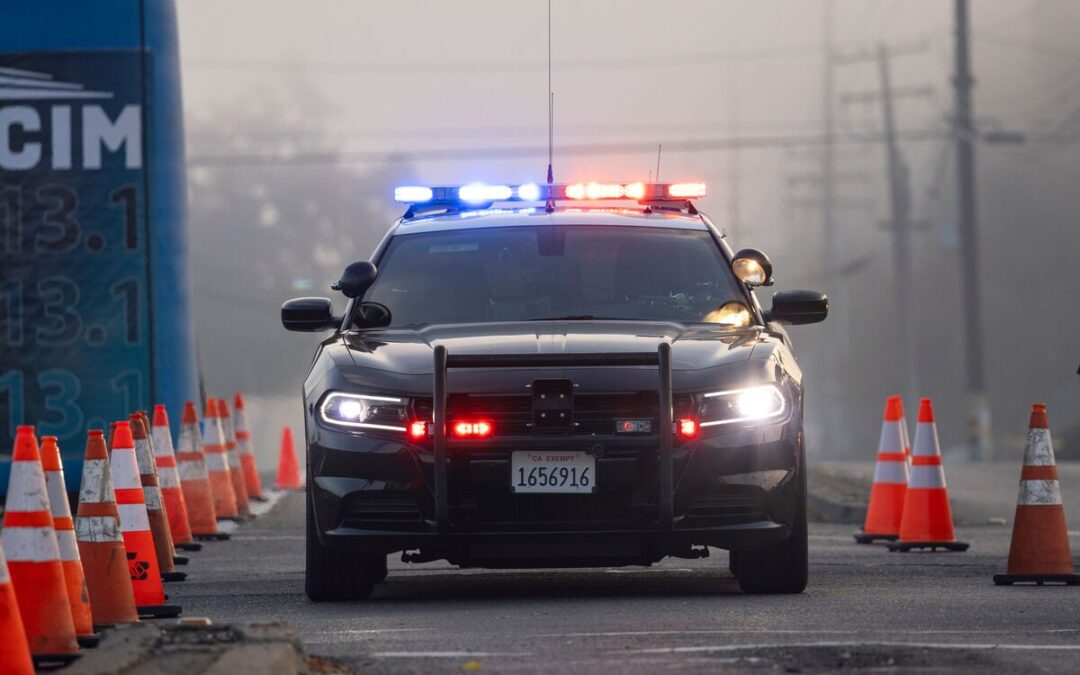
DUI checkpoints are legal in California, but only when police follow a specific set of rules. Officers can stop you without suspecting you of anything, which is an exception to the usual requirement that police need a reason before detaining someone. That exception comes with conditions attached, and when a checkpoint fails to meet them, every arrest that came out of it becomes vulnerable.
Knowing which rules apply, what you are required to do, and what you can decline puts you in a far better position than most drivers who encounter one. Here is how California checkpoints actually work.
Are DUI Checkpoints Legal in California?
Yes. Two landmark decisions settled the question. In Michigan Department of State Police v. Sitz (1990) 496 U.S. 444, the United States Supreme Court held that brief checkpoint stops made without individualized suspicion do not violate the Fourth Amendment, reasoning that the public interest in reducing drunk driving outweighs the minimal intrusion on drivers. Three years earlier, the California Supreme Court reached the same conclusion under both the federal Constitution and Article I, Section 13 of the California Constitution in Ingersoll v. Palmer (1987) 43 Cal.3d 1321.
The California decision matters more in practice because it treats a checkpoint as an administrative inspection rather than a criminal investigation, closer in character to an airport security screening than to a traffic stop. That classification is what allows police to stop you without individualized suspicion, and it also limits what they can do once you are stopped. The stated purpose must be deterrence and public safety rather than general crime detection, and the operation has to be built around a set of safeguards the court laid out. Those safeguards are not optional. A checkpoint that departs from them is not a lawful checkpoint, and the evidence collected there can be suppressed.
The Eight Rules Police Must Follow at a DUI Checkpoint
Ingersoll identified eight factors courts use to judge whether a checkpoint was constitutionally sound:
- Supervisory decision-making. Supervising officers, not officers in the field, must decide the location, time, and operating procedure. This removes arbitrary discretion from the roadside.
- A neutral stopping formula. Vehicles must be selected by a fixed mathematical rule such as every third or every fifth car. Officers cannot pick and choose based on how a driver or vehicle looks.
- Safe operating conditions. The checkpoint must have adequate lighting, proper signage, and traffic controls. The site itself must not create a hazard for drivers or officers.
- A reasonable location. The site should be chosen based on data showing a history of impaired driving incidents or arrests in that area.
- Sensible timing and duration. The hours and length of the operation should reflect good judgment about effectiveness, which is why most checkpoints run on weekend nights.
- High visibility and official appearance. The checkpoint should use warning signs, flashing lights, marked patrol vehicles, and uniformed officers. An approaching driver should immediately recognize it as a legitimate police operation.
- Minimal detention time. Each driver should be held only long enough for a brief question and a quick check for obvious signs of impairment. Extended waits are constitutionally suspect.
- Advance publicity. Agencies generally announce checkpoints beforehand, often through press releases or media listings. Publicity reinforces the checkpoint’s purpose of deterring impaired driving.
No single factor decides the case. Courts weigh them together, which is why a checkpoint challenge depends on obtaining the operational plan, the supervisory authorization, and the logs showing how vehicles were actually selected on the night in question.
What You Must Do at a DUI Checkpoint
Once you are in the approach lane, stopping is mandatory. Vehicle Code 2814.2 requires drivers to stop and submit to a sobriety checkpoint when signs directing them to do so are posted. Driving through without stopping is a separate offense and can result in a stop, a citation, and far more scrutiny than you would otherwise receive.
You are also required to provide your driver’s license and, on request, your vehicle registration and proof of insurance. Roll down your window enough to hand those documents over and to communicate. Follow lawful instructions about where to stop and when to proceed.
For most drivers, the entire stop lasts well under a minute. If nothing about your appearance, speech, or behavior suggests impairment, the officer must allow you to continue. Once that brief screening is complete, the justification for holding you ends, and any further detention requires reasonable suspicion developed during the initial contact. Detentions that stretch well beyond a brief screening are one of the clearest signs that a checkpoint was not operated as authorized.
What You Can Refuse at a DUI Checkpoint
This is where most drivers give away more than the law requires, answering questions they have no obligation to answer, agreeing to field sobriety tests that are entirely voluntary, and consenting to vehicle searches the officer had no independent basis to conduct, often because no one at the checkpoint tells them these choices exist.
Do You Have to Answer the Officer’s Questions?
No. The Fifth Amendment applies at a checkpoint the same as anywhere else. You are not required to say where you have been, where you are going, or whether you have been drinking. Handing over your documents satisfies your legal obligation.
Declining to answer should be done politely and without argument. Saying that you prefer not to answer questions is enough. What you should never do is lie about how much you drank, because a false statement contradicted later by a test result damages your credibility in a way silence never would. Your right to remain silent when questioned does not disappear simply because the encounter began as an administrative stop.
Can You Refuse Field Sobriety Tests?
Yes. Field sobriety tests, such as the walk-and-turn, the one-leg stand, and the horizontal gaze nystagmus (eye-tracking) test, are voluntary for every driver in California. Officers rarely mention this. A refusal may still be used as evidence in court, so decline calmly and politely.
The chemical test after a lawful arrest is different. California’s implied consent law requires you to submit to a breath or blood test, and refusing a chemical test brings a license suspension of at least one year under VC 13353, plus added penalties if you are convicted of DUI. Knowing the difference between the voluntary roadside tests and the mandatory post-arrest test is the most valuable thing a driver can understand.
Can Police Search Your Car at a Checkpoint?
Not without a legal basis. A checkpoint stop authorizes a brief screening for impairment, not a search of your vehicle. To search, an officer needs your consent, probable cause, a warrant, or one of the recognized exceptions. You are entitled to decline consent, and doing so is not evidence of anything.
That said, an officer who develops probable cause during the stop, such as seeing an open container or contraband in plain view, has a basis to act on it. Police have less authority than most drivers assume when it comes to when police can search your car, and once you consent at the window, anything found before you withdraw that consent can be used against you.
Can You Legally Turn Around to Avoid a DUI Checkpoint?
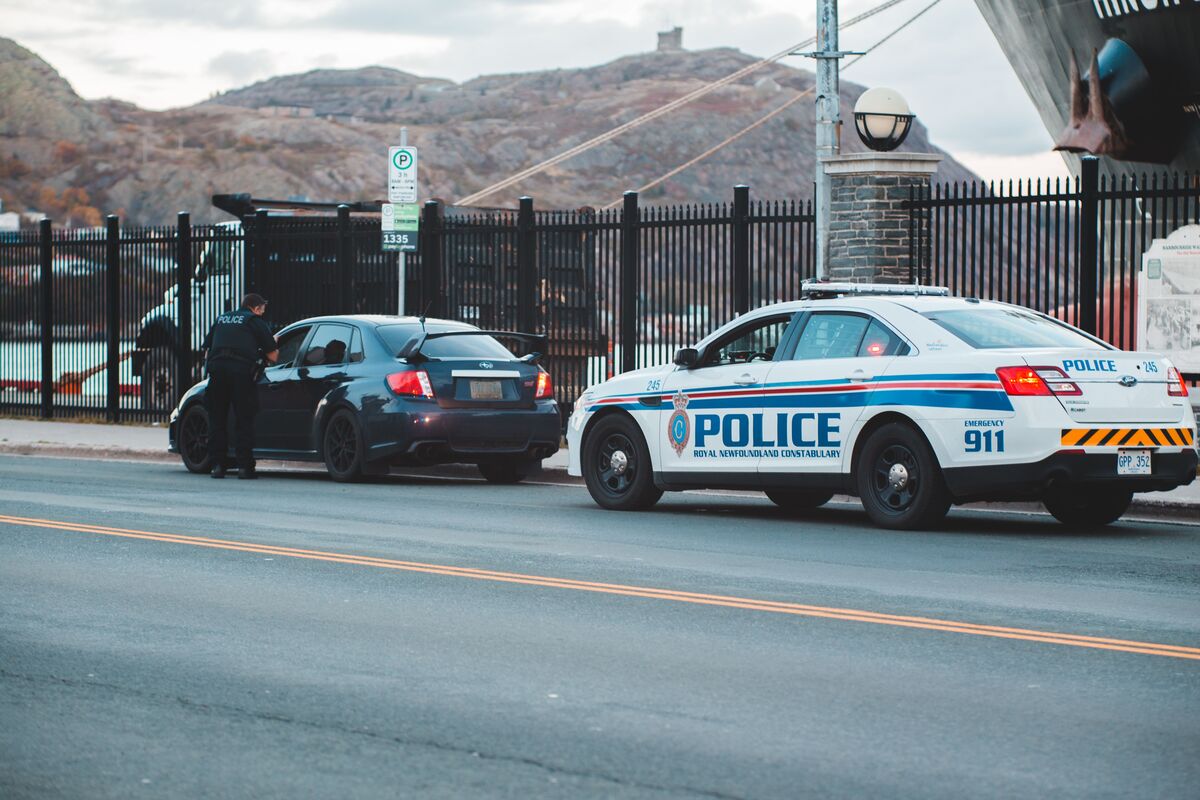
Yes, and this surprises people. There is no California law requiring you to drive through a checkpoint you have not yet entered. Turning onto a side street or making a legal U-turn before reaching the detention zone is not a crime, and avoiding a checkpoint is not by itself a reason for police to stop you. Avoiding a checkpoint, by itself, is generally not treated as grounds for a stop.
The problem is almost always the execution. An illegal U-turn, a failure to signal, backing up in the roadway, running a stop sign, or swerving unsafely each gives an officer an independent traffic violation to act on. At that point the stop is lawful, and a DUI investigation can follow from what the officer observes at the window. Many checkpoint arrests actually begin as avoidance maneuvers gone wrong.
Timing matters too. The maneuver has to be completed before you have entered the detention zone or been signaled to stop. Once you are in the line of vehicles, or an officer has directed you forward, you are required to stop and pulling out becomes a separate offense.
Unlicensed Drivers and Vehicle Impounds at Checkpoints
For years, checkpoints produced far more unlicensed driving citations than DUI arrests, and vehicles were routinely impounded for 30 days over a missing license. The Legislature addressed this with Assembly Bill 353, now part of Vehicle Code 2814.2.
Under the current rule, police cannot impound your vehicle at a sobriety checkpoint if driving without a valid license is your only violation. If the registered owner is present with a valid license, or can authorize another licensed driver to take the car, the vehicle must be released to that person rather than towed.
Other grounds for impoundment still exist, including a DUI arrest or a suspended license, but the license only impound at a checkpoint is no longer permitted.
What Happens If You Are Arrested at a DUI Checkpoint?
An arrest at a checkpoint starts two separate processes, a criminal case in court and an administrative license suspension through the DMV, and each comes with its own deadlines, its own standards of proof, and its own consequences. The two run independently of each other, which means a win in one does not automatically protect you in the other, and missing an early deadline on the DMV side can cost you your driving privileges even if the criminal charge is later reduced or dismissed. Understanding what happens in the hours and days after the arrest is the first step toward protecting both your record and your license.
Booking and Release
A checkpoint arrest proceeds the same way as any other DUI arrest. You are transported for booking, held until sober, and typically released within several hours on bail or a written promise to appear, with a citation showing your first court date and a temporary paper license replacing the one the officer took.
The 10-Day DMV Deadline
The officer will also serve you with an administrative order of suspension, which doubles as a 30-day temporary license. You then have 10 days to request a hearing from the DMV Driver Safety Office, and that process runs independently of the criminal case. If you miss the deadline, the suspension takes effect automatically when the temporary license expires, even if the criminal charge is later reduced or dismissed.
Understanding your realistic chances of winning a DMV hearing helps you decide how hard to fight on that front. Requesting the hearing is worthwhile either way, because a timely request requires the DMV to hold the hearing before the suspension begins and gives your attorney the opportunity to review the evidence and subpoena the arresting officer.
How a Checkpoint Arrest Can Be Challenged in Court
Checkpoint cases carry a defense avenue that ordinary traffic stop cases do not, because the legality of the entire operation is open to challenge. There is a presumption that an official government function was properly conducted, so the defense has to raise the constitutional issue first. Once it does, the burden shifts, and the prosecution or the DMV must establish that the checkpoint satisfied the Ingersoll standards.
That fight is won with documents. The defense requests the supervisory authorization and operational plan, the written stopping formula and the logs showing whether officers actually followed it, the site selection data justifying the location, the signage and lighting plan, records of detention times, and evidence of advance publicity. Each record is a potential point where actual practice diverged from the approved plan.
Beyond the checkpoint itself, the usual defenses still apply, including rising blood alcohol, breath instrument calibration failures, blood sample handling problems, and body-camera footage that contradicts the written report. A checkpoint challenge adds a layer on top of the standard DUI defenses rather than replacing them.
Frequently Asked Questions About DUI Checkpoints
Do police have to announce DUI checkpoints in advance?
Advance publicity is one of the Ingersoll factors, and agencies routinely provide it, but California courts have held that the absence of advance notice does not by itself make a checkpoint unconstitutional. It is weighed alongside the other factors rather than treated as a standalone requirement.
What are the rights of passengers at a DUI checkpoint?
Passengers generally do not have to provide identification unless an officer has an independent reason to believe that passenger committed a crime. Passengers are not required to answer questions and do not have to consent to a search of their belongings.
How long can police hold you at a checkpoint?
Only as long as needed for a brief screening, typically well under a minute for most drivers. Extending the stop requires reasonable suspicion developed during that initial contact. Unreasonably long detentions are one of the most common grounds for challenging a checkpoint.
Can you be arrested at a checkpoint for something other than DUI?
Yes. Officers who develop probable cause during a lawful checkpoint stop can act on what they find, including outstanding warrants, contraband in plain view, or driving on a suspended license. The checkpoint’s stated purpose is impaired-driving deterrence, but it does not require officers to ignore other offenses.
Are DUI checkpoints more common on holidays?
Much checkpoint activity is funded through state traffic safety grants administered by the California Office of Traffic Safety, and enforcement is concentrated around New Year’s, Super Bowl weekend, St. Patrick’s Day, Memorial Day, the Fourth of July, Labor Day, Halloween, and the December holiday period.
Arrested at a DUI Checkpoint? Talk to a Defense Attorney
A checkpoint arrest gives the defense something a routine traffic stop does not: a documented operation that either followed the rules or did not. Those records have to be requested early, and the DMV deadline expires 10 days after arrest regardless.
If you were arrested at a DUI checkpoint in Southern California, contact Manshoory Law Group for a free case analysis at (877) 977-7750. Available 24/7.

Sep 25, 2026
Douglas Parker
Inglewood has changed considerably. SoFi Stadium, the Intuit Dome, and the Kia Forum now draw crowds on a scale the city did not see a decade ago, and event traffic on the 405 and 105 corridors has brought a corresponding increase in DUI enforcement. Game nights and concert nights in particular bring saturation patrols to the streets surrounding the stadium district.
If you have been charged, the weeks before your first court date matter more than most people realize. Here is what to understand and what to do with that time.
How DUI Cases Work in Inglewood
Inglewood is patrolled by its own police department, and DUI cases are charged under state law rather than any local ordinance. Prosecutors typically file two counts from one arrest: driving under the influence, and driving with a BAC of 0.08 percent or higher. Both come from Vehicle Code 23152, and a conviction on either produces the same sentence.
The first count deserves attention because it does not require a specific number. If an officer concludes your driving was impaired, you can be charged on observation alone, which is why arrests happen at readings below the legal limit and why cases built on driving pattern and demeanor are common after events.
Lower thresholds apply to some drivers. Commercial license holders face 0.04 percent, rideshare drivers carrying passengers face 0.04 percent, and anyone under 21 faces a 0.01 percent zero tolerance standard.
What to Do Before Your First Court Date
The interval between arrest and arraignment is not simply a waiting period. Two separate processes are already moving forward at the same time: the administrative DMV action involving your driving privileges and the criminal case that will proceed through the court system. Each follows its own timeline, deadlines, and procedures, and the steps taken during these first days can affect both processes before your attorney ever appears in court. Promptly identifying those deadlines, preserving relevant evidence, and addressing the DMV process can help prevent important opportunities from being lost while the criminal case is still in its earliest stages.
Request Your DMV Hearing Within 10 Days
Your arrest opened two separate cases. The criminal case brings you to court weeks from now. The administrative case against your license started immediately, and you have 10 days from the arrest to request a hearing from the DMV Driver Safety Office.
That request stays the suspension while the hearing is pending and requires the DMV to establish reasonable cause, a lawful arrest, and a qualifying BAC. Skip it and the suspension takes effect on its own about 30 days after arrest, regardless of how the court case ends. The odds are not guaranteed, but understanding your actual chances of winning a DMV hearing makes clear why requesting one is worth doing even in difficult cases.
Avoid the Mistakes That Hurt DUI Cases
Write down what you remember now: what you consumed and when, how long the stop lasted, where the tests were performed, and the lighting and surface conditions. Save receipts, ticket stubs, and rideshare records.
Then avoid the errors that make cases worse. Do not post about the arrest. Do not miss a court date, which converts a routine case into a bench warrant. Do not let insurance or employment paperwork go unaddressed. And do not plead guilty at arraignment to get it over with, since that surrenders every option before the evidence has been reviewed.
Where Inglewood DUI Cases Are Heard
Inglewood DUI cases are filed in Los Angeles County Superior Court and have historically been heard at the Inglewood Courthouse on Regent Street, which primarily handles misdemeanor matters for Inglewood and surrounding communities. Felony DUI cases may be assigned to a different courthouse depending on the charges, court assignment, and current county calendar. Because Los Angeles County has periodically consolidated and reassigned criminal calendars, the courthouse location listed on your citation or official court notice should be treated as the controlling information for your case.
Before your scheduled appearance, confirm the court address, date, and time using your citation and the court’s current records. Appearing at the wrong courthouse can result in a failure to appear if you do not appear at the court where your case is actually scheduled. Taking a few minutes to verify the location in advance can help prevent an avoidable missed appearance and the additional legal consequences that may follow.
Penalties for a DUI Conviction in Inglewood
Penalties in Inglewood follow the statewide sentencing framework established by the California Vehicle Code, but the potential consequences in an individual DUI case can vary significantly based on the defendant’s prior record, the specific charges, and any aggravating or mitigating circumstances involved. Factors such as prior DUI convictions, alleged injuries, or other circumstances may affect the applicable penalties and the way the case is resolved. The ranges discussed below describe the consequences that a conviction may typically carry under the applicable law and are intended as a general framework, not a prediction or guarantee of the sentence in any particular case.
First-Offense Penalties
A first misdemeanor conviction generally brings three to five years of informal probation, fines and penalty assessments commonly exceeding $2,000, a three-month alcohol education program, a six-month license suspension, and an ignition interlock device requirement to drive on a restricted license. Six months in county jail is authorized but rarely imposed on a clean record without aggravating facts.
The financial impact extends well past the courtroom, since the program fees, interlock lease, SR 22 filing, and multi year insurance increases typically exceed the fine itself. A realistic accounting of what a DUI charge costs is usually the part that surprises people most.
Repeat and Aggravated DUI Penalties
Priors count over a 10-year period measured from arrest to arrest. A second conviction brings mandatory jail, an 18- or 30-month alcohol program, and a two-year suspension. A third brings a longer minimum term, a 30-month program, and a three-year revocation.
Aggravating factors raise the exposure at any level: a BAC of 0.15 percent or higher, refusal of the chemical test, excessive speed, causing an accident, or driving with a child under 14 in the vehicle. A DUI can become a felony when another person is injured, when the driver has three or more prior DUI convictions within 10 years, or when there is a prior felony DUI.
What Happens at Your First Court Date
Arraignment is brief. The charges are read, a plea is entered, and the next date is set. For a misdemeanor DUI, your attorney can generally appear on your behalf, which matters if you cannot afford to miss work.
The substance of the case follows. Discovery arrives, including the police report, body camera and dash camera footage, breath instrument calibration and maintenance logs, blood analysis records, and the officer’s training documentation. Motions to suppress are filed where the stop or testing is vulnerable. Negotiations run across several appearances, and most cases resolve during this phase rather than at trial. Statewide court procedures and self help resources are published by the California Courts if you want to understand the framework independently.
Common Defenses in Inglewood DUI Cases
- No reasonable suspicion for the stop. An unjustified stop can lead to suppression of everything discovered afterward.
- Event related enforcement problems. Saturation patrols and checkpoints must follow specific rules, and the operational records showing compliance are discoverable.
- Rising blood alcohol. A test taken after the stop can show a level higher than what you had while driving.
- Breath instrument reliability. Calibration intervals, accuracy checks, and operator certifications are documented and frequently incomplete.
- Blood evidence problems. Preservative levels, storage conditions, fermentation, and chain of custody all affect accuracy, and split sample retesting is available.
- Field sobriety test conditions. Roadside grade, lighting, footwear, injuries, and nerves all affect performance, and reports rarely record any of it.
Frequently Asked Questions About Inglewood DUI Charges
Do I have to appear in person for a misdemeanor DUI?
Usually not. California law generally permits counsel to appear on your behalf for misdemeanor charges. Some hearings and sentencing may require your presence, and felony charges require you to appear personally.
Will I lose my license after an Inglewood DUI arrest?
Not automatically, but the DMV will suspend it unless a hearing is requested within 10 days of the arrest. Even if a suspension takes effect, most first offenders can obtain a restricted license by installing an interlock device, enrolling in a DUI program, and filing SR 22 insurance.
Can my Inglewood DUI be reduced to a wet reckless?
Often. A wet reckless plea reduces fines, shortens probation to one to three years, cuts the alcohol program to 12 hours, and avoids the mandatory suspension attached to a DUI conviction. It still counts as a prior DUI for 10 years, and prosecutors offer it where the BAC is borderline and the defense has identified a genuine evidentiary weakness.
How long will my case take?
Most misdemeanor DUI cases resolve within three to six months of arraignment. Contested suppression motions, disputed chemical evidence, or a trial setting extend that timeline, and felony cases take substantially longer.
Arrested for DUI in Inglewood? Speak With a Defense Lawyer
The DMV window closes 10 days after arrest, and the records that decide these cases have to be requested before anyone can argue about them.
If you are facing DUI charges in Inglewood, contact Manshoory Law Group for a free case analysis at (877) 977-7750. Available 24/7.
Sep 22, 2026
Douglas Parker
Pasadena generates a distinctive DUI caseload. Old Town’s bar and restaurant district, the Rose Bowl’s event calendar, the Colorado Boulevard corridor, and the 210, 134, and 110 freeways all funnel through a city that its own police department patrols closely. Enforcement spikes predictably around major events and holiday weekends.
If you have been arrested, here’s what happens from that night forward, in the order it will actually unfold.

What Happens Right After a DUI Arrest in Pasadena?
The hours immediately following a DUI arrest can set the framework for everything that comes afterward. Two separate processes begin moving at the same time: the criminal case in court and the administrative action involving your driving privileges through the DMV. These processes operate on different timelines, with separate procedures, deadlines, and potential consequences, so taking action in one does not automatically address the other. Understanding both timelines from the beginning can help you avoid missing a critical deadline or overlooking an issue that could affect the case later.
The Stop, Testing, and Booking
Most Pasadena DUI cases start with a stop for something small: a wide turn, a lane drift, an equipment violation. The officer approaches, asks a few questions designed to elicit an admission about drinking, and then asks you to step out for field sobriety tests.
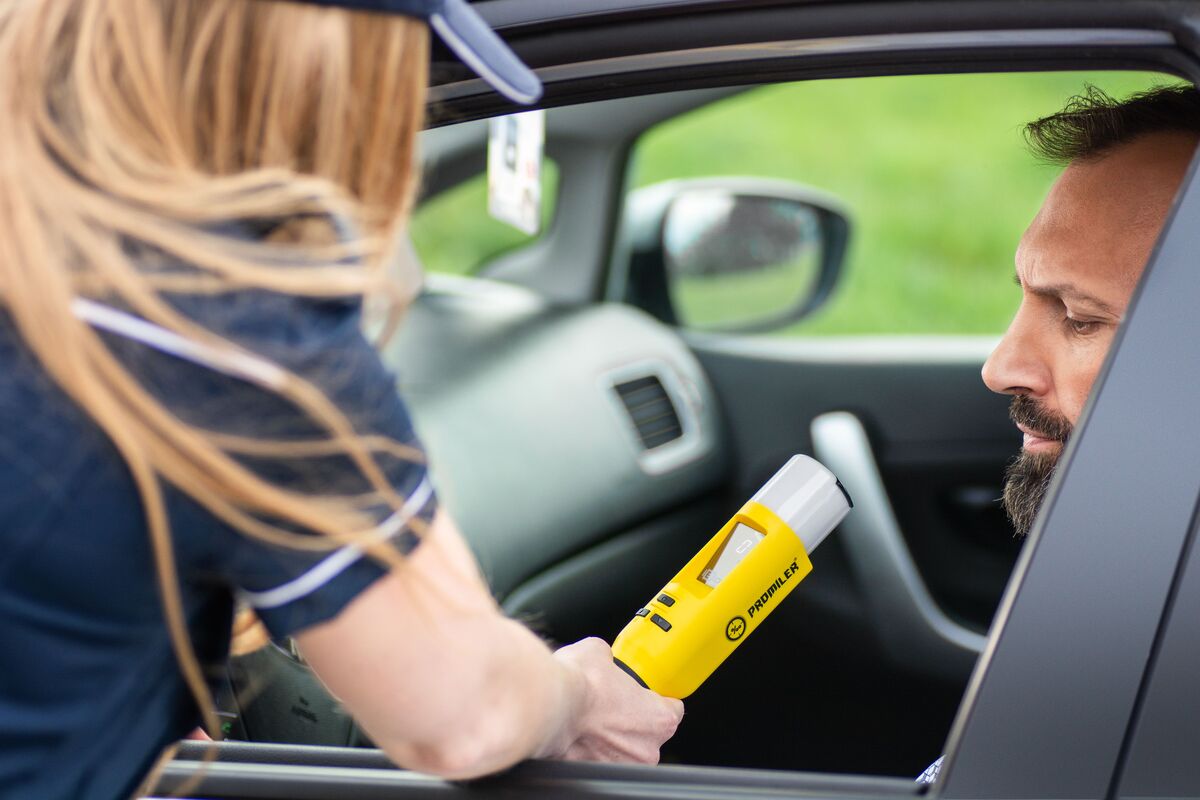
Those roadside tests are voluntary in California for drivers over 21 who are not on DUI probation, as is the handheld preliminary screening device. The chemical test after a lawful arrest is mandatory, and refusing it triggers a one-year license suspension plus a sentencing enhancement. Most people do not know which tests they can decline, which is one reason it is worth reviewing what to do during a suspected DUI stop before it ever happens.
You are then booked, held until sober, and typically released within a few hours with a citation and a temporary license.
The 10-Day DMV Deadline
The officer takes your driver’s license and issues an administrative suspension order, starting a separate DMV process that runs independently of the criminal case. In general, the order gives you 10 days from the arrest date to request a hearing with the DMV Driver Safety Office. The criminal court case does not automatically extend or pause this deadline, and you should not rely on receiving a separate reminder before the 10-day period expires. Because missing the deadline can affect your ability to challenge the proposed administrative action, it is important to address the DMV process promptly after the arrest.
Requesting a DMV hearing can temporarily prevent the suspension from taking effect while the administrative review is pending, subject to the applicable DMV procedures and requirements. At the hearing, the DMV addresses specific statutory issues related to the administrative suspension, and the defense has an opportunity to examine the evidence and challenge the basis for the action. The DMV proceeding may also provide an opportunity for an attorney to question the arresting officer under oath before the criminal case reaches trial, potentially creating testimony and records that can later be relevant to the defense.
The Pasadena DUI Court Process, Step by Step
Once charges are formally filed, the case generally moves through a defined sequence of court appearances and procedural stages before reaching a resolution. Each stage serves a different purpose, from the initial arraignment and entry of a plea to discovery, pretrial proceedings, negotiations, and, when necessary, trial. Understanding where the case stands in that sequence and what happens at each stage can help you recognize important deadlines, understand what decisions may need to be made, and evaluate the available options as the case progresses.
Arraignment at the Pasadena Courthouse
Pasadena DUI cases are filed in Los Angeles County Superior Court and have historically been heard at the Pasadena Courthouse on East Walnut Street, which serves Pasadena, Altadena, and La Cañada Flintridge and handles both misdemeanor and felony matters. Verify the location on your citation, since the county reassigns calendars periodically.
At arraignment, the charges are read, you enter a plea, and release conditions are confirmed. Your attorney can typically appear for you on a misdemeanor DUI. A not guilty plea is standard and commits you to nothing.
Pretrial Conferences and Negotiations
Everything of consequence happens here. Discovery includes the arrest report, body camera and dash camera video, breath instrument calibration and maintenance logs, blood analysis records, dispatch recordings, and the officer’s training file. Your attorney compares the narrative against the footage and the machine records.
Suppression motions are filed in this phase when the stop or the testing is vulnerable. Negotiations occur across several appearances, and what moves a prosecutor is a documented defect, not an argument about fairness.
Trial or Resolution
If no acceptable resolution is reached, the case may be set for a jury trial, where the prosecution must prove the charged DUI offenses beyond a reasonable doubt. Many cases are resolved before trial through negotiations or other pretrial proceedings, but preparing the case as though it could proceed to trial allows the defense to evaluate the evidence, identify weaknesses, and understand the risks and alternatives associated with any proposed resolution. A clear understanding of the trial process can therefore provide important context when considering a plea offer rather than making a decision without knowing what proceeding to trial would involve.
DUI Penalties You Face in Pasadena
A first misdemeanor conviction typically carries three to five years of informal probation, fines and assessments often exceeding $2,000, a three-month alcohol education program, a six-month license suspension, and an ignition interlock for restricted driving. The six-month jail maximum is rarely reached on a clean record.
Enhancements attach for a BAC of 0.15 percent or higher, a chemical test refusal, excessive speed, a collision, or a passenger under 14 in the car. Second offenses within 10 years bring mandatory jail, an 18- or 30-month program, and a two-year suspension.
Underage drivers face a separate framework. With a zero tolerance limit of 0.01 percent, a driver under 21 can lose their license for a year on a reading that would not support charges against an adult, and the consequences after an underage DUI in California often reach college enrollment and financial aid in ways families do not anticipate.
How Pasadena DUI Cases Are Prosecuted
Misdemeanor DUI cases arising in Pasadena are generally prosecuted by the city attorney’s office, with the District Attorney handling felony filings. Prosecutors carry large caseloads and evaluate files rapidly, which cuts both ways: a file with an obvious problem gets attention, and a file with no identified problem gets a standard offer.
Pasadena also runs event-driven enforcement. Rose Bowl game days, the Rose Parade period, and holiday weekends bring saturation patrols and checkpoints. Checkpoint cases carry their own defense angle, because California requires checkpoints to meet specific operational standards, and the records establishing compliance are obtainable in discovery.
Common Defenses in Pasadena DUI Cases
- Unlawful stop. Without reasonable suspicion, the stop fails and the evidence obtained afterward can be suppressed.
- Checkpoint noncompliance. Supervisory approval, a neutral stopping formula, signage, duration, and advance publicity are all required and all documented somewhere.
- Rising blood alcohol. A test taken well after driving can reflect a level you had not reached at the wheel.
- Breath machine defects. Calibration intervals, accuracy checks, and operator certification records frequently show gaps.
- Blood sample integrity. Preservative levels, storage, fermentation, and chain of custody all affect the result, and the split sample can be independently retested.
- Field sobriety test conditions. Roadside grade, lighting, footwear, weight, injuries, and anxiety all degrade performance and are rarely documented in the report.
Reduced Charges: Wet Reckless and Other Outcomes
The most common favorable outcome is a reduction to a wet reckless, a plea to reckless driving with an alcohol notation. It reduces the fines, shortens probation to one to three years, cuts the alcohol program from three months to 12 hours, and avoids the mandatory license suspension a DUI conviction produces. It remains a priorable offense for 10 years.
A dry reckless, carrying no alcohol notation and no priorability, is the better outcome but is reserved for weak cases. Dismissal follows a successful suppression motion or a weakening in the chemical evidence. Which outcome is realistic in your case depends on the discovery.
Frequently Asked Questions About Pasadena DUI Arrests
Where do Pasadena DUI cases go to court?
Pasadena cases are filed in Los Angeles County Superior Court and have traditionally been heard at the Pasadena Courthouse serving Pasadena, Altadena, and La Cañada Flintridge. The location and date printed on your citation are the authoritative source.
Can I drive after a DUI arrest in Pasadena?
Generally yes for about 30 days on the temporary license issued at the scene. If you request a DMV hearing within 10 days, your driving privilege continues until that hearing is decided. If a suspension takes effect, a restricted license with an interlock is usually available on a first offense.
What if I refused the breath or blood test?
Refusal adds a mandatory one-year license suspension and a sentencing enhancement, and prosecutors treat these cases as less negotiable. It also leaves the prosecution without a chemical result, which shifts their case onto officer observation, so the defense strategy changes substantially rather than simply becoming harder.
How long does a Pasadena DUI case take?
Most misdemeanor cases resolve within three to six months of arraignment. Contested motions, unusual test evidence, or a trial setting extend that timeline, and felony cases take considerably longer.
Facing DUI Charges in Pasadena? Get a Free Case Analysis
The DMV deadline expires 10 days after arrest, and checkpoint records, calibration logs, and body camera footage are all easier to obtain early than late.
If you were arrested for DUI in Pasadena, contact Manshoory Law Group for a free case analysis at (877) 977-7750. Available 24/7.

Sep 18, 2026
Douglas Parker
Santa Monica combines beachfront tourism, a dense downtown bar and restaurant scene, and the western terminus of the 10 freeway inside eight square miles. The Santa Monica Police Department enforces DUI laws actively in that environment, and a large share of arrests involve visitors and out-of-area drivers who then have to navigate a Los Angeles County court from somewhere else.
What follows covers what you are actually facing, where the case will be heard, and what can be done about it.
What Counts as a DUI in Santa Monica, California?
Santa Monica does not have its own DUI ordinance. Instead, your case is charged under California Vehicle Code 23152, which creates two distinct offenses: driving under the influence of alcohol or drugs, and driving with a blood alcohol concentration of 0.08 percent or higher. Prosecutors usually file both charges from a single arrest, though you can only be sentenced on one.
Different thresholds apply to different drivers. Commercial license holders are limited to 0.04 percent, rideshare and taxi drivers carrying a passenger to 0.04 percent, and anyone under 21 to 0.01 percent under California’s zero-tolerance rule. Drivers on DUI probation face a 0.01 percent limit as well, and they cannot decline a preliminary alcohol screening test at the roadside the way other drivers can.
What Happens After a DUI Arrest in Santa Monica?
The hours and days immediately following a DUI arrest can set the framework for everything that follows, including the development of the criminal case and the separate administrative process involving your driving privileges. Two important deadlines begin running on their own schedules during this period, and neither automatically stops or changes based on what happens in the criminal case. Understanding these deadlines early can help you take the necessary steps before an opportunity to challenge or protect your rights expires.
Booking and Release
After arrest, you are transported for booking and typically released within several hours once sober, either on bail or on a written promise to appear. You leave with a citation listing your arraignment date and a temporary paper license. For visitors, this is the moment the logistics get complicated, since the case will proceed in Los Angeles County regardless of where you live.
Out-of-state and international drivers face an additional layer. A California suspension is reported through the Driver License Compact and affects your home state license, and drivers using foreign licenses face their own set of complications worth sorting out early. Anyone driving in California on a foreign license should understand how a DUI affects their ability to drive here going forward.
The 10-Day DMV Deadline
The suspension order the officer gives you starts a 10 day clock. Within that period you or your attorney must contact the DMV Driver Safety Office and request a hearing. This deadline is not extended because you live elsewhere, because you were traveling, or because you were unaware of it.
Requesting the hearing stays the suspension while it is pending and requires the DMV to establish reasonable cause, a lawful arrest, and a BAC at or above 0.08 percent. Missing it means the suspension proceeds automatically about 30 days after arrest, and a favorable outcome in court later will not reverse it.
DUI Penalties in Santa Monica
California law scales DUI penalties based on both a person’s prior DUI record and the specific facts and circumstances of the incident. The potential consequences can differ substantially between a first offense and a subsequent offense, with prior convictions potentially affecting the charges, available penalties, probation terms, license consequences, and other requirements that may apply. Because the applicable penalty structure can influence how the case is evaluated from the outset, determining the offense level and understanding the relevant prior record are important before assessing potential resolutions or defense strategies.
First-Offense DUI Penalties
A first misdemeanor conviction typically brings three to five years of informal probation, fines and penalty assessments commonly totaling over $2,000, a three-month alcohol education program, a six-month license suspension, and an ignition interlock device to drive on a restricted license. Six months in county jail is the statutory maximum but is rarely imposed on a clean record.
Courts frequently add community service, a victim impact panel, and AA attendance. First offenders sometimes assume the program is the burden, but for most people the license restriction and the insurance consequences last far longer.
Second and Third Offense Penalties
Prior DUI convictions are generally considered within a 10-year lookback period, measured from the date of the current arrest to the dates of qualifying prior offenses. The consequences can increase significantly with each subsequent conviction. A second DUI conviction may carry mandatory jail time, an 18- or 30-month alcohol education program, and a two-year driver’s license suspension, while a third conviction can involve a longer minimum jail term, a 30-month alcohol program, and a three-year license revocation, along with potential designation as a habitual traffic offender. The exact consequences can depend on the prior convictions, the charges, and other circumstances of the case, so the applicable record should be reviewed carefully before assessing potential penalties.
When a DUI Becomes a Felony
A DUI can be charged as a felony when another person is injured in connection with the incident, when the driver has three or more qualifying prior DUI convictions within the applicable 10-year period, or when the driver has a prior felony DUI conviction. Injury-related cases may also involve additional sentencing enhancements that can substantially increase potential prison exposure, depending on the nature and severity of the alleged injuries and other facts of the case. Felony DUI cases generally proceed through a longer and more formal court process than misdemeanor cases and may include a preliminary hearing, where the prosecution must present sufficient evidence to establish probable cause that the defendant committed the charged offenses.
Where Santa Monica DUI Cases Go to Court
Santa Monica DUI cases are filed in Los Angeles County Superior Court and may be assigned to a courthouse serving the Westside area. DUI matters from Santa Monica, Venice, Culver City, and El Segundo have historically been handled through the Airport Courthouse near LAX rather than the Santa Monica Courthouse, which handles other types of cases. Because courthouse assignments and court calendars can change over time, the courthouse address and appearance information listed on your citation or official court notice should be treated as the controlling information for your case.
Appearing at the wrong courthouse can create serious procedural problems and may result in a failure to appear if you do not appear at the court listed for your case. Before the scheduled appearance, confirm the courthouse location, date, and time using your citation and the court’s current records. Taking a few minutes to verify these details can help prevent an avoidable missed appearance and the additional
Common Defenses in Santa Monica DUI Cases
- No reasonable suspicion for the stop. A stop without legal justification can result in suppression of everything that follows.
- Rising blood alcohol. A drink finished shortly before driving continues absorbing, so the test result may exceed your actual level at the wheel.
- Breath instrument problems. Calibration and maintenance records are discoverable and frequently show missed intervals or servicing gaps.
- Blood testing failures. Preservative levels, storage temperature, fermentation, and chain of custody all bear on accuracy, and independent retesting of the split sample is available.
- Unreliable field sobriety testing. Sand, uneven pavement, poor lighting, footwear, injuries, and nerves all affect performance, and beachfront testing conditions are rarely ideal.
- Video contradicting the report. Body camera footage often shows clear speech and steady balance where the report describes the opposite.
These arguments are assembled from what discovery actually shows, not asserted in the abstract, and the process for building the strongest DUI defenses follows the same pattern across most cases.
Can a Santa Monica DUI Be Reduced or Dismissed?
Yes. The most common favorable resolution is a reduction to a wet reckless, which lowers fines, shortens probation to one to three years, reduces the alcohol program to 12 hours, and avoids the mandatory license suspension attached to a DUI conviction. Prosecutors offer it when the BAC is close to the legal limit, the record is clean, and the defense has identified a real problem in the evidence.
A dry reckless, which carries no alcohol notation and does not count as a prior offense, is better but harder to obtain. Dismissal follows a successful suppression motion or a breakdown in the chemical evidence. All three outcomes depend on what the discovery shows, which is why the review matters more than any prediction made on the day of arrest.
Frequently Asked Questions About Santa Monica DUI Charges
Are DUI checkpoints legal in Santa Monica?
Yes, provided they follow California’s constitutional requirements covering supervisory decision making, a neutral formula for stopping vehicles, adequate signage and lighting, reasonable detention time, and advance public notice. Checkpoints that deviate from those requirements produce arrests that can be challenged.
Will I lose my license after a Santa Monica DUI arrest?
Only if you do not act. The DMV will suspend your driving privilege unless you request a hearing within 10 days. Even when a suspension takes effect, most first offenders qualify for a restricted license with an ignition interlock, proof of enrollment in a DUI program, and SR 22 insurance filed through the California DMV.
How much does a Santa Monica DUI cost in total?
Well beyond the fine. Court fines and assessments, the alcohol program, the interlock installation and monthly lease, license reissue fees, SR 22 filings, and years of elevated insurance premiums push first offense totals into five figures for most people.
Do I need a local attorney for a Santa Monica DUI?
It helps considerably, especially for out of area defendants. Counsel who regularly appears in the courthouse handling your case knows the prosecutors, the calendar practices, and the local expectations, and can appear on your behalf for most misdemeanor dates so you do not have to travel.
Arrested for DUI in Santa Monica? Talk to a Defense Attorney
The DMV deadline is 10 days and does not pause for travel or uncertainty. The records that decide these cases have to be requested before they matter.
If you are facing DUI charges in Santa Monica, contact Manshoory Law Group for a free case analysis at (877) 977-7750. Available 24/7.
Sep 16, 2026
Douglas Parker
A DUI case in Burbank has a shape to it. There is an arrest, an administrative fight over your license that starts immediately, an arraignment, a stretch of pretrial appearances where the actual work happens, and a resolution. Knowing that shape in advance is what separates people who make good decisions from people who react to each court date as it arrives.
The sections below follow that sequence in order, with the deadlines that matter marked clearly.
DUI Enforcement in Burbank: What to Know
The Burbank Police Department patrols a city that carries an unusual amount of pass-through traffic for its size. The 5, the 134, and the 170 all run through the city, Hollywood Burbank Airport sits at its northern edge, and the studio district and Magnolia Park corridor generate steady evening activity. Burbank also participates in regional DUI enforcement funded through statewide traffic safety grants, which means periodic checkpoints and saturation patrols on holiday weekends.
The California Office of Traffic Safety coordinates much of that funded enforcement across the state. For drivers, the practical meaning is simple: enforcement here is not random. It is scheduled and concentrated, and holiday weekends carry meaningfully higher arrest risk.
What Happens After a Burbank DUI Arrest?
Two separate processes begin when you are arrested for DUI, and they proceed on different tracks with different deadlines and potential consequences. One is the criminal case, which moves through the court system and addresses the charges brought against you. The other is the DMV’s administrative action concerning your driving privileges, which can begin immediately after the arrest and does not wait for your first court appearance or the outcome of the criminal case. Understanding the distinction between these two processes is important because taking action in one does not automatically resolve or protect you from consequences in the other.
Booking and Release
After the roadside investigation and arrest, you are generally transported for booking and may be held until you are considered safe to release, often after the effects of alcohol or drugs have subsided. In many cases, release occurs within several hours, either after bail is posted or on a written promise to appear, depending on the charges and circumstances. Before leaving, you typically receive a citation or other paperwork identifying your first court date, along with a temporary paper driver’s license or temporary driving document that relates to the separate DMV process.
Felony DUI arrests, including cases involving an alleged injury to another person, can follow a different procedural track. These cases may involve formal bail proceedings, additional court appearances, and a substantially longer timeline, with the specific process depending on the charges, the alleged circumstances, and how the case is handled by the court.
The 10-Day DMV Deadline
The officer confiscates your license and serves you with an administrative order of suspension. That order starts a 10-day clock to request a hearing from the DMV Driver Safety Office. Nothing about the criminal case pauses it, and no one will remind you.
Requesting the hearing suspends the suspension while it is pending and forces the DMV to establish reasonable cause, a lawful arrest, and a BAC at or above 0.08 percent. It also produces sworn testimony from the arresting officer well before trial, which is often worth more to the defense than the hearing outcome itself.
The Burbank DUI Court Process, Step by Step
Once the citation or criminal complaint is formally filed, the case generally moves through several stages, beginning with an arraignment where the charges are formally stated and a plea is entered, followed by a pretrial phase in which the prosecution’s evidence is disclosed, reviewed, and challenged, and ultimately a resolution through a negotiated disposition or trial. The pretrial stage can be particularly significant because the defense may have opportunities to investigate the allegations, obtain and evaluate discovery, identify weaknesses in the prosecution’s evidence, raise legal issues, and discuss potential resolutions with the prosecution. As a result, many DUI cases are resolved before trial, although the specific outcome depends on the evidence, charges, prior record, and circumstances of the individual case.
Arraignment
Burbank DUI cases are filed in Los Angeles County Superior Court and have traditionally been handled at the Burbank Courthouse on East Olive Avenue. Court branch assignments can change periodically, however, so the court location and appearance information listed on your citation or other official court paperwork should be treated as controlling. Before appearing, it is important to verify the current courthouse, date, and time because changes in assignment or scheduling can affect where and when the case must be addressed.
At arraignment, the court formally addresses the charges, confirms the defendant’s identity and case status, and takes a plea. In many misdemeanor DUI cases, an attorney may be permitted to appear on the defendant’s behalf, although the applicable requirements can vary by court and case circumstances. A not guilty plea may be entered at this stage to preserve the defendant’s ability to contest the allegations while the defense obtains and reviews discovery. The plea itself does not determine whether the case will ultimately proceed to trial, be resolved through a negotiated disposition, or be handled through another available legal process.
Pretrial Conferences and Motions
This phase is the case. Discovery arrives: the arrest report, body camera and dash camera footage, breath instrument calibration and maintenance logs, blood analysis records, dispatch audio, and the officer’s training documentation. Your attorney compares the written narrative against the video and the machine records, looking for the specific inconsistency that gives the prosecutor a reason to move.
Motions to suppress evidence are filed here when the stop or the testing is vulnerable. Negotiations run across several appearances. Most Burbank DUI cases end during this phase.
Trial or Resolution
If no acceptable resolution is reached, the case may proceed to a jury trial, where the prosecution must prove the charges beyond a reasonable doubt. Many DUI cases are resolved before reaching trial, but understanding the trial process and being prepared to present a defense can provide important context when evaluating any plea offer. Knowing what to expect at trial can help you compare a proposed resolution with the potential trial process and make an informed decision based on the circumstances of your case rather than feeling pressured to decide without understanding the available alternatives.
DUI Penalties in Burbank
A first misdemeanor conviction typically brings three to five years of informal probation, fines and assessments frequently exceeding $2,000, a three-month alcohol education program, a six-month license suspension, and an ignition interlock requirement for restricted driving. The six month jail maximum exists but is rarely applied without aggravating facts.
Enhancements apply for a BAC of 0.15 percent or higher, refusal of the chemical test, excessive speed, causing a collision, or carrying a passenger under 14. A second offense within 10 years carries mandatory custody, an 18- or 30-month program, and a two-year suspension. A third escalates further.
Drug-based DUI charges follow the same statute but a very different evidentiary path. There is no per se limit for THC in California, so driving under the influence of marijuana is proven through officer observation and drug recognition evaluation rather than a number, which makes those cases more subjective on both sides.
Common Defenses in Burbank DUI Cases
- No lawful basis for the stop. Reasonable suspicion is required, and a failed stop can end the case entirely.
- Checkpoint defects. California checkpoints must satisfy specific rules on supervision, neutral stopping formulas, signage, duration, and advance publicity.
- Rising blood alcohol. Alcohol absorbed shortly before driving keeps rising, so the test can overstate your level at the wheel.
- Breath machine records. Calibration intervals, accuracy checks, and operator certification are all discoverable and often incomplete.
- Blood evidence. Preservative levels, storage conditions, fermentation, and chain of custody all bear on reliability, and split sample retesting is available.
- Field sobriety test conditions. Surface, lighting, footwear, injuries, weight, and anxiety all degrade performance in ways reports rarely record.
Reduced Charges: Wet Reckless and Other Outcomes
The most common favorable outcome is a reduction to a wet reckless, a plea to reckless driving with an alcohol notation. It cuts fines substantially, shortens probation to one to three years, reduces the alcohol program from three months to 12 hours, and avoids the mandatory license suspension a DUI conviction triggers. It does still count as a prior DUI for 10 years.
A dry reckless carries no alcohol notation and is not priorable, making it the better outcome, though prosecutors reserve it for genuinely weak cases. Dismissal follows a successful suppression motion or a collapse in the chemical evidence. Which outcome is realistic depends on the discovery, not on how sympathetic the circumstances are.
Frequently Asked Questions About Burbank DUI Charges
Which courthouse handles Burbank DUI cases?
Burbank cases are filed in Los Angeles County Superior Court and have historically been heard at the Burbank Courthouse. Because the court periodically reassigns calendars, verify the location printed on your citation before your date.
Can I keep driving after my arrest?
Generally yes for about 30 days on the temporary license issued at the scene. Requesting a DMV hearing within 10 days extends your driving privilege until that hearing is decided. If a suspension does take effect, a restricted license with an interlock device is usually available on a first offense.
What happens if I miss my court date?
The court can issue a bench warrant, which means you can be arrested at any traffic stop and your case becomes substantially harder to resolve favorably. If you have missed a date, your attorney can often appear and ask the court to recall the warrant before it causes further damage.
Do I need a lawyer for a first-time Burbank DUI?
A first offense still carries years of probation, a suspended license, thousands of dollars in costs, and a conviction that follows you for a decade. The evidence that produces reductions and dismissals, particularly calibration records and video, has to be requested and analyzed. That is difficult to do without counsel.
Arrested for DUI in Burbank? Speak With a Defense Lawyer
The DMV clock runs out 10 days after arrest, and machine records and footage are not preserved indefinitely. Early action is what creates options later.
If you are facing DUI charges in Burbank, contact Manshoory Law Group for a free case analysis at (877) 977-7750. Available 24/7.
Sep 14, 2026
Douglas Parker
A preliminary hearing is a court proceeding in a California felony case where a judge decides whether the prosecution has enough evidence to send the case to trial. Often called a “prelim,” it works like a mini trial: witnesses testify under oath, attorneys cross-examine them, and a judge rules at the end. But no jury is present, and the prosecutor does not have to prove guilt beyond a reasonable doubt. The only question is whether probable cause exists to believe a crime was committed and that the defendant committed it.
For anyone charged with a felony, the preliminary hearing is one of the most important dates in the entire case. It is the first real test of the prosecution’s evidence, the first chance to see and question the state’s witnesses, and often the moment when cases get dismissed, reduced, or resolved. Here is how the process works in California, what to expect in the courtroom, and the strategic decisions you and your attorney will face.
What Is a Preliminary Hearing?
A preliminary hearing is a probable cause hearing required in felony cases after the prosecutor files a criminal complaint. Under Penal Code 872, the judge, sitting as a magistrate, must answer two questions: is there sufficient cause to believe a crime was committed, and is there sufficient cause to believe the defendant is the person who committed it? If the answer to both is yes, the defendant is “held to answer” and the case moves toward trial. If not, the charges are dismissed.
The preliminary hearing functions as a screening mechanism. Its purpose is to weed out weak felony cases before they consume the time and expense of a jury trial, and to ensure that no one is forced to stand trial on charges the evidence cannot support.
Probable Cause: The Burden of Proof at a Prelim
The standard at a preliminary hearing is far lower than at trial. The prosecution only needs to present facts that would lead a reasonable person to a strong suspicion of the defendant’s guilt. That is a much easier bar to clear than proof beyond a reasonable doubt, which is why prosecutors win most preliminary hearings. But “most” is not “all,” and even when the case survives, the defense often walks out with something valuable: locked-in testimony, exposed weaknesses, and a clearer picture of what a trial would look like.
Do Misdemeanor Cases Have Preliminary Hearings?
No. Preliminary hearings apply only to felony prosecutions. Misdemeanor cases move from arraignment through pretrial conferences directly to trial or a negotiated resolution. One exception worth knowing: if a felony complaint also includes misdemeanor counts, those counts ride along through the preliminary hearing with the felony. In the rare California case that begins with a grand jury indictment instead of a complaint, there is no preliminary hearing at all.
When Does the Preliminary Hearing Happen? The 10-Day and 60-Day Rules
Timing is governed by Penal Code 859b, and the deadlines have real teeth. A defendant has the right to a preliminary hearing within 10 court days of arraignment or their not guilty plea. If the defendant is in custody and the hearing does not happen within those 10 court days, the complaint generally must be dismissed. Separately, the hearing must be completed within 60 calendar days of arraignment unless the defendant personally waives time.
In practice, many defendants waive these deadlines. Waiving time gives the defense room to obtain discovery, investigate, file motions, and negotiate. Whether to insist on a speedy prelim or waive time is a strategic call: a fast hearing pressures an unprepared prosecutor, while a waiver buys preparation time for a complex defense. Your attorney should make that decision deliberately, not by default.
What Happens at a Preliminary Hearing? Step by Step
A preliminary hearing follows a predictable structure:
- The prosecution presents its case. The DA calls witnesses, usually starting with the investigating officer, and introduces reports, photos, and other evidence.
- The defense cross-examines. Your attorney questions each witness under oath, testing their credibility and pinning down their story. Everything said becomes a transcript the defense can use at trial, and inconsistencies discovered here often become impeachment material later. This is also where gaps in the discovery the prosecution has turned over tend to surface.
- The defense may present evidence. The defense has the right to call witnesses and introduce evidence, though it often chooses not to reveal its hand this early.
- Both sides argue. The defense argues the evidence fails to establish probable cause on some or all counts; the prosecution argues the opposite.
- The judge rules. The magistrate holds the defendant to answer on some or all charges, dismisses charges, or reduces eligible felonies to misdemeanors.
Most preliminary hearings last one to two hours, though complex cases involving multiple counts or witnesses can run a full day or longer.
Can Police Officers Testify to Hearsay at a Prelim?
Yes, within limits. Under Proposition 115, codified at Penal Code section 872(b), a qualified law enforcement officer may testify at the preliminary hearing to what victims and witnesses told them, which means the prosecution often does not call civilian witnesses at all. The officer is limited to one level of hearsay, and this shortcut applies only at the prelim. At trial, the actual witnesses must appear and testify. For the defense, that difference is useful: if the prosecution’s prelim case is built entirely on an officer reciting statements, the real test of those witnesses is still to come.
Does the Defendant Testify?
Almost never. The defendant has the right to remain silent at the preliminary hearing, and testifying rarely helps at this stage because the probable cause bar is so low. Anything the defendant says becomes sworn testimony the prosecution can use later. In nearly every case, the defense strategy is to listen, cross-examine, and preserve every advantage for trial or negotiation.
Possible Outcomes of a Preliminary Hearing
The judge has more options than a simple yes or no:
- Held to answer. The judge finds probable cause on some or all counts, and the case proceeds toward trial.
- Dismissal. If the evidence fails to establish probable cause, the judge dismisses the charge or the entire case. The prosecution can sometimes refile, but a dismissal at prelim is a major defense victory and often the end of the matter.
- Charges reduced or trimmed. The judge can hold the defendant to answer on fewer counts than charged, or find probable cause only for lesser offenses.
- Felony reduced to a misdemeanor. For wobbler offenses that can be charged either way, the judge has the power under Penal Code 17(b)(5) to reduce the felony to a misdemeanor at the preliminary hearing. For many defendants, this reduction is the single most valuable outcome a prelim can produce.
Even a “loss” at the prelim can set up a win later. The transcript becomes a fixed record of what the witnesses said, and any charge the evidence barely supports becomes a target for the next motion.
Should You Ever Waive Your Preliminary Hearing?
 Sometimes. Prosecutors occasionally offer a better plea deal in exchange for waiving the prelim, because the hearing costs them time and forces their witnesses on the record. If the evidence is overwhelming and the offer is genuinely favorable, waiving can make sense as part of a negotiated resolution, and your attorney will walk you through what pleading guilty or no contest would actually mean before you give anything up.
A preliminary hearing should never be waived casually. It is the defense’s one guaranteed chance before trial to test the state’s witnesses under oath, and everything learned there feeds into motions, negotiations, and trial strategy. As a rule, the weaker the prosecution’s case, the more valuable the hearing.
What Happens After a Preliminary Hearing?
If the defendant is held to answer, the prosecutor has 15 days to file a document called an information, and the defendant is arraigned again in superior court, this time on that charging document. The case then moves into the trial track: pretrial conferences, motions, and ultimately a jury trial or a negotiated resolution.
The prelim also unlocks a powerful post-hearing tool. If the defense believes the defendant was held to answer without sufficient evidence or that the hearing was legally defective, it can file a 995 motion to dismiss, asking the superior court to set aside the information. Charges that squeaked through the prelim on thin evidence are exactly what 995 motions exist to eliminate.
Frequently Asked Questions About Preliminary Hearings
How long does a preliminary hearing take?
Most take one to two hours. Cases with multiple charges, several witnesses, or contested suppression issues can last a full day or stretch across several sessions. The hearing is short compared to a trial because the prosecution only needs to establish probable cause, not prove guilt.
Can charges be dropped at a preliminary hearing?
Yes. If the judge finds the evidence insufficient on any count, that count is dismissed, and if no count survives, the entire case is dismissed. Judges also routinely trim overcharged cases at the prelim by dismissing enhancements or holding the defendant to answer on lesser charges.
Is a preliminary hearing the same as a trial?
No. A judge decides instead of a jury, the burden of proof is probable cause instead of beyond a reasonable doubt, limited hearsay is allowed, and no one is found guilty or not guilty. The prelim decides only whether the case may proceed to trial.
What is a holding order?
A holding order is the judge’s ruling at the end of the preliminary hearing that the defendant must “answer” the charges in superior court. It means the judge found probable cause. It is not a finding of guilt, and every trial right, including the presumption of innocence, remains fully intact.
Can the judge reduce a felony to a misdemeanor at the prelim?
Yes, for wobblers. If the offense is one that California law allows to be charged as either a felony or a misdemeanor, the judge can reduce it to a misdemeanor at the preliminary hearing. The defense can request this reduction based on the weakness of the evidence, the defendant’s record, and the circumstances of the offense.
Facing a Felony Charge in Los Angeles? Get Ready for Your Prelim
The preliminary hearing is where felony cases are won, narrowed, or locked onto the path to trial, and it rewards preparation more than any other early stage of the case. The defense attorneys at Manshoory Law Group use preliminary hearings to expose weak evidence, pin down witnesses, push for reductions, and position cases for dismissal.
If you or a loved one is facing a felony charge, contact Manshoory Law Group for a free case analysis at (877) 977-7750. Available 24/7.
Sep 13, 2026
Douglas Parker
The gap between a DUI arrest and a first court date is usually a few weeks, and most people spend it doing nothing because they assume nothing can be done yet. That assumption costs cases. The most important deadline in a California DUI expires long before your arraignment, and the evidence that decides these cases has to be requested while it still exists.
Here is what to understand about a Culver City DUI before you ever set foot in a courtroom.
How DUI Cases Work in Culver City
Culver City is policed by its own department and sits at the intersection of several major routes, including the 405 and the 10, with a dense restaurant and studio district that generates evening traffic. Arrests here follow the standard California pattern: a traffic stop, roadside observation, field sobriety tests, and a chemical test after arrest.
The charge itself comes from state law. Prosecutors typically file two counts from one arrest: driving under the influence, and driving with a BAC of 0.08 percent or higher. A conviction on either produces the same sentence. Notably, you can be convicted of the first count without ever exceeding 0.08 percent, because impairment can be proven through observation. The National Highway Traffic Safety Administration documents measurable impairment at levels well below the legal threshold, and prosecutors use that reality to support observation-based cases.
What to Do Before Your First Court Date
The period between arrest and arraignment is often relatively short, but several important and time-sensitive steps can take place during this window. Two areas require particular attention: protecting your driving privileges through the DMV process and preserving the facts, evidence, and records that may later shape your defense. Acting promptly on both can help ensure that important deadlines are not missed and that relevant evidence is identified and preserved before it becomes more difficult to obtain.
Request Your DMV Hearing Within 10 Days
This is the step that cannot wait. Your arrest triggered an administrative action against your license that is entirely separate from the criminal case. You have 10 days from the arrest date to request a hearing with the DMV Driver Safety Office.
Requesting it does three things: it stays the suspension while the hearing is pending; it forces the DMV to prove reasonable cause, lawful arrest, and a BAC at or above 0.08 percent; and it puts the arresting officer under oath months before any trial. If you do nothing, the suspension begins automatically roughly 30 days after arrest, and winning the criminal case later will not undo it.
Gather Records and Avoid Common Mistakes
Write down everything you remember while it is fresh: what you ate and drank and when, how long you were stopped, what the officer said, where the tests were performed, and the surface and lighting conditions. Preserve receipts, rideshare records, and the names of anyone who was with you.
Then avoid the mistakes that damage cases. Do not discuss the arrest on social media. Do not contact the arresting officer. Do not miss your court date, which converts a manageable case into a bench warrant. And do not assume that pleading guilty at arraignment gets it over with faster, because it forfeits every option before anyone has read the discovery.
Where Culver City DUI Cases Are Heard
Culver City DUI cases are filed in Los Angeles County Superior Court. Westside DUI cases, including those arising in Culver City, Santa Monica, Venice, and El Segundo, have historically been heard at the Airport Courthouse on South La Cienega Boulevard near LAX, which is one of the busiest criminal courthouses in the county.
Assignments do shift as the court reorganizes its calendars, so the location and time printed on your citation are what control. The Superior Court of Los Angeles County publishes current courthouse information, and confirming it before your date avoids appearing at the wrong building.
Penalties for a DUI Conviction in Culver City
California law scales DUI penalties according to the circumstances of the offense, including whether it is a first-time misdemeanor, a repeat offense, or a case involving additional aggravating factors. The potential consequences can vary significantly depending on the classification of the offense and the facts alleged, including prior DUI convictions, injuries, or other circumstances that may increase the level of exposure. Understanding where a particular case falls within this framework is an important first step before evaluating potential plea options, sentencing consequences, or other ways of resolving the case.
First-Offense Penalties
A first misdemeanor DUI conviction generally carries three to five years of informal probation, fines and penalty assessments that commonly total more than $2,000, a three-month alcohol education program, a six-month license suspension, and an ignition interlock device requirement to drive on a restricted license. County jail up to six months is authorized but seldom imposed absent aggravating facts.
Probation carries its own conditions, and violating them creates a new problem on top of the original case. Understanding the standard conditions of probation before accepting a plea prevents a manageable sentence from turning into a custody hearing.
Repeat and Aggravated DUI Penalties
Priors count over a 10-year window measured arrest to arrest. A second offense brings mandatory jail time, an 18- or 30-month alcohol program, and a two-year suspension. A third brings a longer minimum term, a 30-month program, and a three-year revocation.
Aggravating factors escalate any offense level: a BAC of 0.15 percent or higher, refusal of the chemical test, driving more than 20 miles per hour over the limit on a surface street or 30 over on a freeway, causing an accident, or having a passenger under 14 in the vehicle. A DUI becomes a felony when another person is injured, when the driver has three or more priors within 10 years, or when there is a prior felony DUI.
What Happens at Your First Court Date
Arraignment is short. The charges are read, you enter a plea, and the court confirms release conditions and sets the next date. For a misdemeanor DUI, your attorney can usually appear on your behalf so you do not have to be there at all.
What follows is where the case is actually decided. Your attorney requests discovery, reviews the police report against any video, obtains breath machine calibration and maintenance records or blood analysis documentation, and identifies the specific weaknesses worth litigating. Motions to suppress may be filed. Negotiations proceed across several pretrial appearances, and most cases resolve in this phase rather than at trial.
Common Defenses in Culver City DUI Cases
- Illegal stop. Without reasonable suspicion of a violation, the stop fails and the evidence that follows can be suppressed.
- Improper vehicle search. Officers need a legal basis to search a car, whether that is consent, probable cause, or a warrant, and the rules governing when police can search your vehicle are narrower than most drivers assume.
- Rising blood alcohol. A test administered after the stop can reflect a higher level than existed while driving.
- Breath device malfunction. Machines require documented calibration and accuracy checks, and missing records undermine the reading.
- Blood sample degradation. Insufficient preservative, poor storage, or a broken chain of custody produces unreliable numbers.
- Field sobriety test conditions. Sloped pavement, poor lighting, footwear, injuries, and ordinary nervousness all affect performance in ways the report rarely notes.
Frequently Asked Questions About Culver City DUI Charges
Do I have to appear in person for a misdemeanor DUI?
Usually not. California law generally allows counsel to appear on your behalf for misdemeanor charges, including most court dates in a DUI case. Certain hearings and sentencing may require your presence, and felony charges require you to appear.
How long will my Culver City DUI case take?
Most misdemeanor cases resolve within three to six months of arraignment. Cases involving contested motions, unusual test evidence, or a trial setting take longer. The Airport Courthouse carries a heavy calendar, which affects scheduling.
Will a DUI show up on my record and background checks?
Yes. It appears as a misdemeanor conviction on criminal background checks, stays on your DMV record for 10 years, and counts as a prior for that period. After probation you may be eligible for expungement in California, which removes the conviction for most private employment purposes though not from your driving record.
Can charges be reduced or dismissed before trial?
Yes, and most favorable outcomes happen exactly there. The common reduction is a wet reckless, which lowers fines, shortens probation, cuts the alcohol program to 12 hours, and avoids the conviction-based suspension. Dismissals follow successful suppression motions or evidentiary failures.
Facing DUI Charges in Culver City? Get a Free Case Analysis
The most valuable work in a DUI case happens before the first court date, while the DMV window is still open and the records are still retrievable.
If you have been charged with a DUI in Culver City, contact Manshoory Law Group for a free case analysis at (877) 977-7750. Available 24/7.
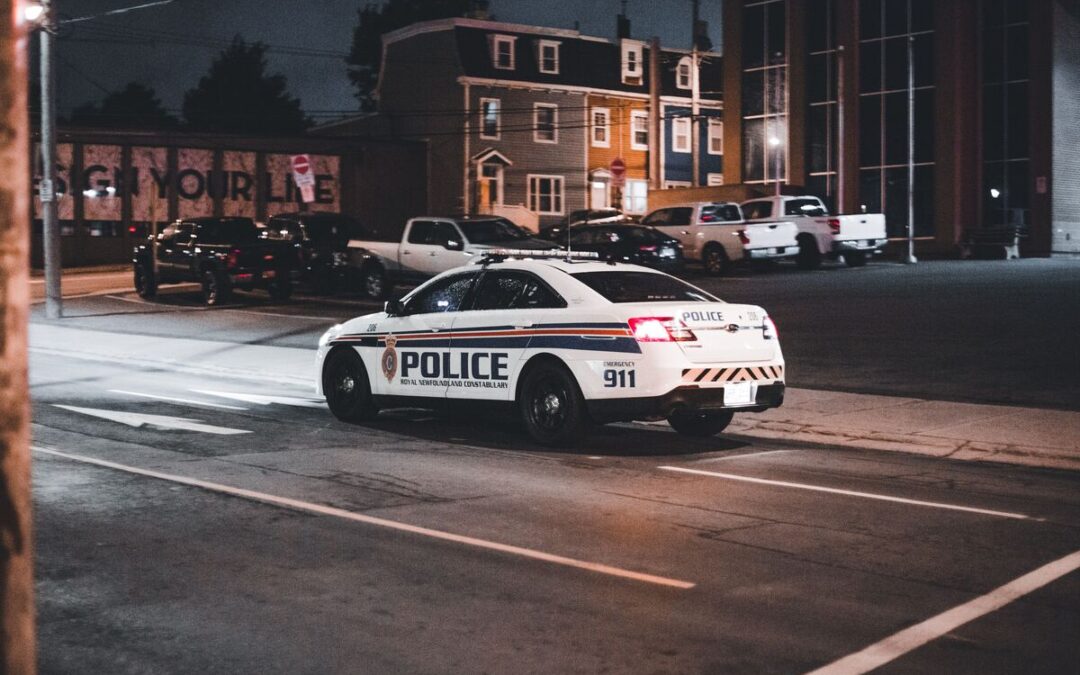
Sep 11, 2026
Douglas Parker
Few places in Los Angeles County concentrate nightlife the way West Hollywood does. The Sunset Strip, Santa Monica Boulevard, and the Melrose corridor put thousands of people into bars and restaurants within a two-square-mile city every weekend, and law enforcement plans around it. That combination produces a steady volume of DUI arrests, many involving people who had two drinks over three hours and never expected to be handcuffed.
Here’s what happens after that arrest, laid out in the order it unfolds, from the roadside stop to the DMV clock to the first day in court.
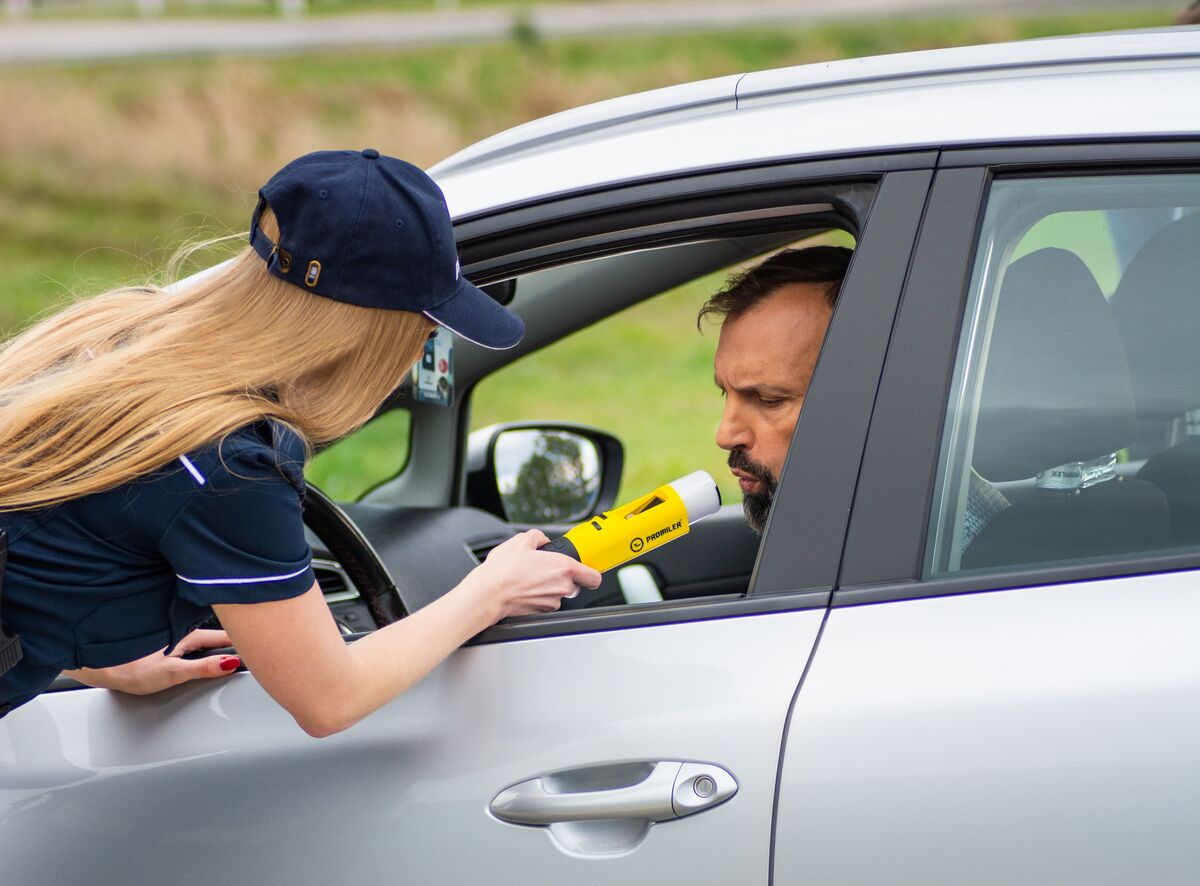
DUI Enforcement in West Hollywood and Hollywood
West Hollywood contracts with the Los Angeles County Sheriff’s Department for law enforcement, while neighboring Hollywood is policed by the LAPD. The two are different jurisdictions despite sitting next to each other, and which agency arrests you affects which prosecutor handles the case and which courthouse it lands in.
Both areas see targeted enforcement on weekend nights: saturation patrols along the Strip, checkpoints announced in advance, and heavy attention to the streets feeding out of the entertainment districts after closing time. California requires DUI checkpoints to satisfy specific constitutional requirements covering supervisory decision-making, a neutral formula for stopping vehicles, adequate signage and lighting, reasonable detention length, and advance publicity. Checkpoints that depart from those rules produce arrests that can be challenged.
Volume enforcement also means volume paperwork, and reports written quickly at 2 a.m. often contain the inconsistencies that later become the defense.
What Happens Right After a West Hollywood DUI Arrest?
The first hours after a DUI arrest generally follow a fairly predictable sequence, from booking and release to the start of the court and DMV processes, but each step can involve its own deadlines, requirements, and potential consequences. Knowing what happens at each stage can help you understand which decisions require immediate attention and which issues can be addressed later as the case moves forward.
The Stop, Testing, and Booking
The typical sequence is a stop for a minor violation, a conversation at the window, a request to step out, and a set of field sobriety tests on the sidewalk. Those roadside tests are voluntary for most drivers, as is the handheld preliminary alcohol screening device. The chemical test after a lawful arrest is not voluntary, and refusing it carries a mandatory one-year license suspension and a sentencing enhancement.
You are then transported for booking and usually released within a few hours on bail or a promise to appear. It is worth knowing that officers can and do arrest people whose BAC turns out to be below 0.08 percent, because impairment can be charged on observation alone. It genuinely is possible to get a DUI after a single glass of wine if the officer builds the case on driving pattern and demeanor.
The 10-Day DMV Deadline
The officer confiscates your driver’s license and provides a temporary license along with an order notifying you of the administrative suspension process. From the date of the arrest, you generally have 10 days to request a DMV hearing to contest the proposed suspension. There is no grace period for missing this deadline, and you should not expect an automatic reminder from the DMV before the window closes. If you do not request the hearing within the required period, the administrative suspension may proceed according to the DMV’s schedule, regardless of what happens later in the criminal court case.
Where West Hollywood DUI Cases Go to Court
West Hollywood cases are filed in Los Angeles County Superior Court. Because the city is served by the Sheriff’s Department and sits within the West District, cases have historically been heard at the Beverly Hills Courthouse, while Hollywood arrests made by LAPD are typically handled at the Hollywood Courthouse or another downtown location.
Branch assignments in Los Angeles County have shifted repeatedly in recent years as the court has consolidated calendars, so treat the date and address printed on your citation as authoritative and verify it on the court’s website rather than relying on older guidance.
The Court Process, Step by Step
Once charges are formally filed, the case moves through a series of standard court hearings and procedural stages before reaching a resolution. Each hearing serves a different purpose, from confirming the charges and addressing procedural matters to reviewing evidence, evaluating potential resolutions, and preparing for trial when necessary. Understanding what happens at each stage can help you know what to expect, recognize important deadlines, and understand when decisions or legal action may be required as the case progresses.
Arraignment
Arraignment is generally the first formal court appearance in a DUI case. At this hearing, the charges are stated or confirmed, the defendant enters a plea, and the court addresses any applicable bail or release conditions. In many misdemeanor DUI cases, an attorney may be permitted to appear on the defendant’s behalf, although the specific requirements can vary depending on the court and circumstances of the case.
Entering a not guilty plea at arraignment is common and does not mean the case will necessarily proceed to trial. It generally preserves the defendant’s ability to contest the charges while the defense reviews the prosecution’s evidence and evaluates the available options. Discovery may include reports, test results, recordings, and other evidence relevant to the allegations. Once that information has been reviewed, the defense can make a more informed assessment of whether to continue contesting the charges, pursue a negotiated resolution, or prepare for trial.
Pretrial Conferences and Negotiations
The pretrial phase is the real substance of the case. Discovery includes the report, video, breath machine records, blood documentation, and the arresting deputy’s training file. Motions can challenge the stop, the detention, or the admissibility of the test.
If your case came out of a checkpoint, this is where the checkpoint’s operational records become relevant, including the supervisory plan, the stopping formula, the signage, and the advance notice. Cases often improve substantially once those records arrive. A misdemeanor DUI generally resolves within three to six months, though the timeline from charge to court varies with the courthouse and the complexity of the motions filed.
DUI Penalties You Face in West Hollywood
A first misdemeanor conviction typically brings three to five years of informal probation, total fines and assessments often above $2,000, a three-month alcohol program, a six-month license suspension, and an ignition interlock for restricted driving. Six months in county jail is authorized but rarely imposed on a clean record.
Enhancements attach for a BAC of 0.15 percent or higher, a refusal, excessive speed, a collision, or a passenger under 14. Second offenses within 10 years carry mandatory jail, an 18- or 30-month program, and a two-year suspension. Drivers under 21 face a separate zero-tolerance framework with its own suspension consequences.
Cannabis is worth a specific mention here. There is no per se THC limit in California, so marijuana DUI cases rest almost entirely on officer observation and drug recognition evaluation, which makes them both more subjective and, often, more defensible than alcohol cases.
Common Defenses in West Hollywood DUI Cases
- Checkpoint irregularities. Failure to follow the required constitutional criteria can invalidate the stop entirely.
- No reasonable suspicion for a traffic stop. A stop that lacked legal justification taints everything after it.
- Rising blood alcohol. Testing an hour after driving can overstate your level at the wheel, especially after a late drink.
- Breath machine reliability. Calibration logs, accuracy checks, and operator certifications frequently show gaps.
- Blood testing problems. Preservative levels, storage, fermentation, and chain of custody all affect results, and split-sample retesting is available.
- Contradiction between video and report. Body camera footage regularly undercuts the written narrative of slurred speech or unsteady balance.
Frequently Asked Questions About West Hollywood DUI Charges
Are DUI checkpoints common in West Hollywood?
Yes, particularly on holiday weekends and during heavy nightlife periods along the Sunset Strip. California requires checkpoints to be publicized in advance and operated under specific rules, and departures from those rules create grounds to challenge the arrest.
Can I drive after a West Hollywood DUI arrest?
Usually yes for about 30 days on the temporary license the officer issues. Requesting a DMV hearing within 10 days extends your driving privilege until that hearing is decided.
Can my DUI be reduced to a wet reckless?
Frequently. A wet reckless plea reduces the fines, shortens probation, cuts the alcohol program to 12 hours, and avoids the automatic license suspension attached to a DUI conviction. It remains a priorable offense for 10 years.
What if this is my second DUI?
A second offense within 10 years carries a minimum jail term, an 18 or 30 month alcohol program, a two year suspension, and much less prosecutorial flexibility. These cases require early and aggressive work on the evidence, since the negotiating room is narrower. The DUI defenses that carry weight matter more, not less, on a second offense.
Arrested for DUI in West Hollywood? Talk to a Defense Attorney
The 10-day DMV deadline runs whether or not anyone reminds you, and checkpoint records and calibration logs do not preserve themselves. Early involvement is what makes these cases winnable.
If you are facing DUI charges in West Hollywood, contact Manshoory Law Group for a free case analysis at (877) 977-7750. Available 24/7.
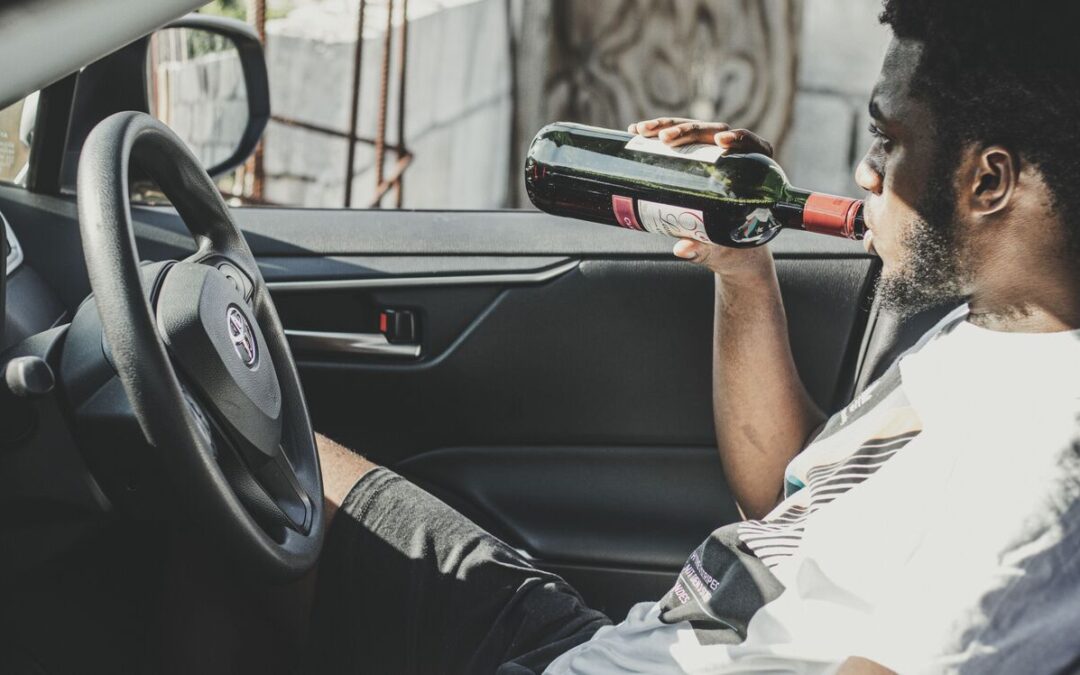
Sep 9, 2026
Douglas Parker
Beverly Hills is a small city with a large police presence. The department patrols a dense commercial core with heavy evening restaurant and nightlife traffic, and the practical result is a high rate of DUI enforcement relative to the city’s size. An arrest on Wilshire, Santa Monica Boulevard, or Sunset can happen over a minor equipment violation that turns into a full investigation within minutes.
Here is how a Beverly Hills DUI case actually moves, what it can cost you beyond the courtroom, and where the defense opportunities are.
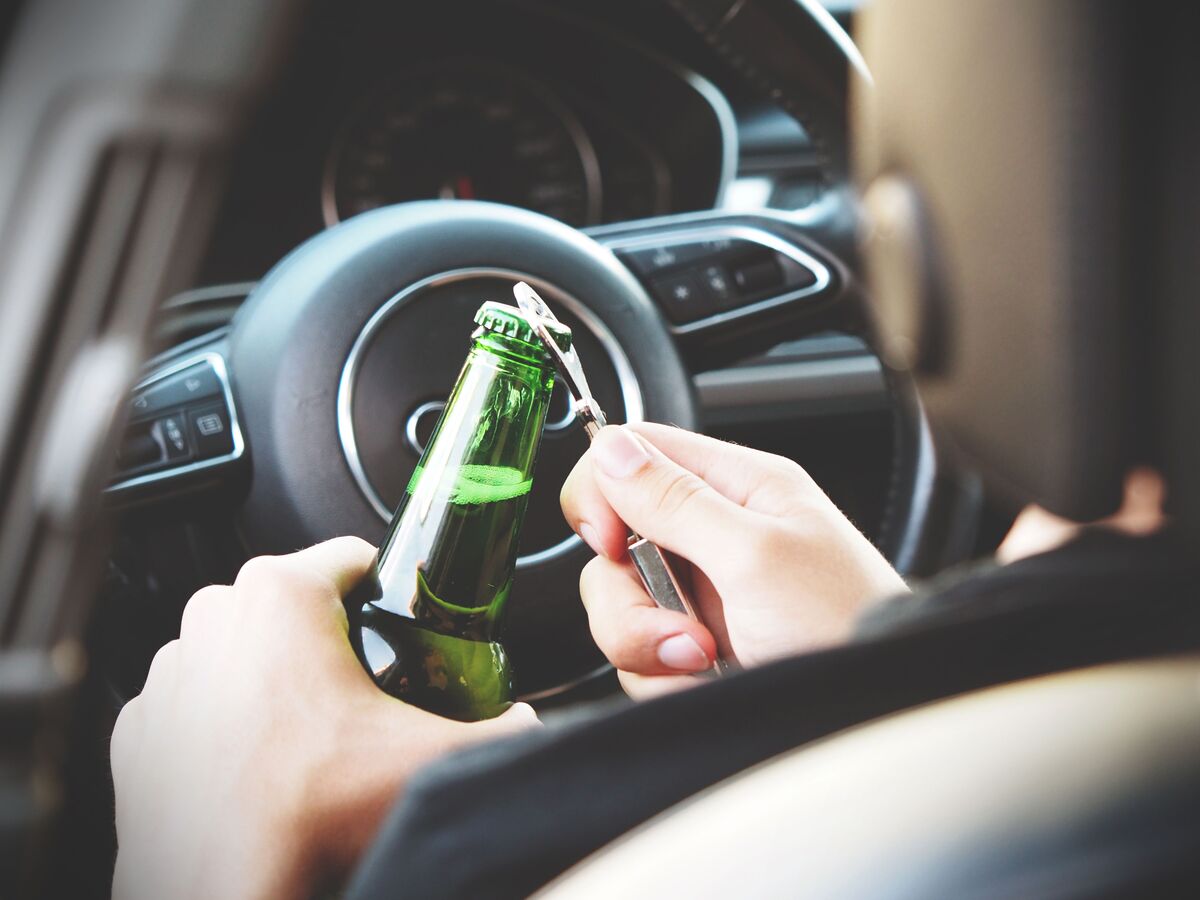
DUI Enforcement in Beverly Hills: What to Know
Two things distinguish enforcement here. The first is density. A compact patrol area with a well-staffed department means traffic stops are frequent and response times are short. The second is the nature of the stops. Many Beverly Hills DUI investigations begin with something minor: a rolling stop, a lane touch, an expired tag, and expand once the officer approaches the window.
That matters legally, because the lawfulness of the initial stop is a threshold question in every case. An officer needs reasonable suspicion of a violation to pull you over. If that justification does not hold up, the evidence gathered afterward can be suppressed. That is also why what happens in the first two minutes at the window shapes the entire case, and why knowing what to do when police stop you for suspected DUI is genuinely useful long before anyone is arrested.
What Happens After a Beverly Hills DUI Arrest?
An arrest sets two separate processes in motion: a criminal case in court and a separate administrative process with the DMV. These processes operate on different timelines, involve different procedures, and can lead to separate consequences for your driving privileges and your criminal record. Understanding how both processes work, including the deadlines and requirements that apply to each, matters from the first hour after an arrest because missing an important deadline can affect the options available later in the case.
Booking, Release, and Your First Court Date
After an arrest, you are generally transported for booking and may be released within several hours, either after posting bail or on a written promise to appear in court. Before leaving, you typically receive paperwork showing your arraignment date, which is often scheduled several weeks later, along with a pink temporary driver’s license or temporary license document after the officer confiscates your physical license. The temporary license is important because it relates to the separate DMV administrative process and may have its own expiration date or deadlines that require prompt attention.
Felony DUI arrests, including cases involving an alleged injury to another person, can follow a different process. These cases may involve a bail hearing, additional court proceedings, and a substantially longer timeline than a standard misdemeanor DUI case, with the specific procedure depending on the charges and circumstances of the arrest.
The 10-Day DMV Deadline
The suspension order handed to you at the scene starts an administrative case that runs independently of the criminal case. You have 10 days from the date of arrest to request a DMV hearing. Miss it and the suspension proceeds automatically, even if the criminal charge is later dismissed.
The hearing is limited to three questions: whether the officer had reasonable cause to believe you were driving under the influence, whether the arrest was lawful, and whether your BAC was 0.08 percent or higher. It is a narrow proceeding, but requesting it delays the suspension and produces sworn testimony you can use later.
The Beverly Hills DUI Court Process
Once the case is formally filed, it moves through a defined sequence of court appearances and procedural steps, each serving a different purpose in the criminal process. At each stage, the defense has an opportunity to review the prosecution’s evidence, identify procedural or evidentiary issues, challenge weaknesses in the case, and evaluate the available legal options. In many DUI cases, these proceedings may also provide opportunities to negotiate with the prosecution and resolve the matter without proceeding to a trial, although the specific path and outcome depend on the charges, evidence, and circumstances of the individual case.
Arraignment and Plea
Beverly Hills DUI cases are filed in Los Angeles County Superior Court and heard at the Beverly Hills Courthouse on Burton Way, which handles both misdemeanor and felony matters for the city and surrounding West Los Angeles communities. Confirm your assigned location through the Los Angeles Superior Court before your date, since courtroom and branch assignments change.
At arraignment, the charges are read and you enter a plea. For a misdemeanor DUI, your attorney can generally appear on your behalf, which for many clients is the single most valuable practical benefit of hiring counsel early. Nearly every case starts with a not-guilty plea, because pleading otherwise before discovery has been reviewed gives up every option.
Pretrial Motions and Negotiations
The pretrial phase is where cases are won, narrowed, or resolved. Your attorney obtains and reviews the police report, video, breath machine calibration records, blood analysis documentation, and dispatch logs. Suppression motions challenge the stop or the testing. Negotiations run in parallel across several appearances.
Most Beverly Hills DUI cases resolve during this phase, and the resolution tracks the strength of the documented problems the defense has found.
Penalties for a DUI Conviction in Beverly Hills
The penalties are set by state law, not by the city. A first misdemeanor conviction under Vehicle Code 23152 typically carries three to five years of informal probation, fines and penalty assessments frequently exceeding $2,000, a three-month alcohol education program, a six-month license suspension, and an ignition interlock requirement to drive on a restricted license. The statutory maximum of six months in county jail exists but is rarely imposed without aggravating facts.
Enhancements apply for a BAC of 0.15 percent or higher, refusing the chemical test, speeding excessively, causing a collision, or driving with a child under 14 in the car. A second offense within 10 years brings mandatory custody time, an 18- or 30-month program, and a two-year suspension.
Interlock compliance deserves attention in its own right, since the device logs every failed or missed test and reports them to the DMV. Knowing how many interlock violations you can have before the restriction is revoked matters more than most people expect once the device is installed.
High-Profile Concerns: Privacy, Careers, and Professional Licenses
For many people arrested in Beverly Hills, the criminal penalties are not the primary worry. The collateral consequences are.
Criminal court records in California are generally public, and arrests involving recognizable names can attract attention. There is no mechanism to seal a routine misdemeanor case, though resolving a case quietly and early limits exposure, and expungement after probation removes the conviction for most private employment purposes.
Professional licensing boards are the other pressure point. Attorneys, physicians, nurses, pharmacists, real estate agents, contractors, and financial professionals generally face reporting obligations, and most boards treat a DUI as conduct warranting review rather than automatic discipline. A reduction to a lesser offense often changes how a board responds. Anyone who is not a United States citizen should also understand how a conviction interacts with their status, since the immigration consequences of a DUI depend heavily on the specific charge and the surrounding facts.
Employment risk is real but manageable. Most private employers see the conviction only through a background check, and a properly expunged case is treated very differently.
Common Defenses in Beverly Hills DUI Cases
- No valid basis for the stop. Minor pretextual violations do not always survive scrutiny, and a failed stop can end the case.
- Rising blood alcohol. A test taken an hour after driving can show a level higher than what you had behind the wheel.
- Breath instrument failures. Calibration and maintenance records are discoverable and often reveal missed checks or servicing gaps.
- Blood evidence problems. Storage temperature, preservative levels, fermentation, and chain of custody all affect reliability, and independent retesting is available.
- Field sobriety test validity. These tests were never designed as proof of impairment, and physical conditions, footwear, and nerves all degrade performance.
- Medical and dietary explanations. Reflux, diabetes, and ketogenic diets can inflate breath readings independent of alcohol consumption.
Frequently Asked Questions About Beverly Hills DUI Charges
Which courthouse handles Beverly Hills DUI cases?
Beverly Hills DUI cases are heard in Los Angeles County Superior Court, typically at the Beverly Hills Courthouse, which serves the city along with Brentwood and West Los Angeles. Your citation lists the assigned date and location.
Can a Beverly Hills DUI be reduced to a wet reckless?
Often, yes. A reduction to a wet reckless lowers the fines, shortens probation, cuts the alcohol program to 12 hours, and removes the mandatory license suspension that follows a DUI conviction. Prosecutors offer it when the BAC is borderline, the record is clean, and there is a real evidentiary weakness.
Will a DUI affect my professional license or immigration status?
It can affect both. Most licensing boards require self reporting and evaluate the conduct rather than imposing automatic discipline. Immigration consequences depend on the specific offense and circumstances, and a single misdemeanor DUI is treated differently from a case involving drugs, injury, or driving on a suspended license.
How much does a Beverly Hills DUI cost in total?
Far more than the fine. Between court fines and assessments, the alcohol program, the interlock device, license reissue fees, SR 22 insurance, and multi year premium increases, first offense totals commonly reach five figures.
Arrested for DUI in Beverly Hills? Speak With a Defense Lawyer
Two clocks start the day of a Beverly Hills DUI arrest, and the DMV clock runs out in 10 days. The records that decide these cases (calibration logs, lab documentation, and body camera footage) have to be requested before they can be used.
If you are facing DUI charges in Beverly Hills, contact Manshoory Law Group for a free case analysis at (877) 977-7750. Available 24/7.
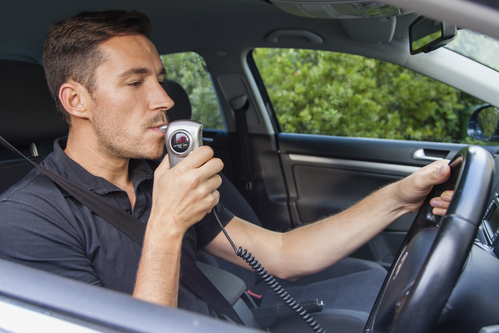
Sep 7, 2026
Douglas Parker
A DUI arrest in Glendale sets two separate processes in motion at once, and most people only learn about the second one after it is too late to do anything about it. One is the criminal case that brings you to court. The other is an administrative action against your driver’s license, and it runs on a 10-day clock that starts the day you are arrested.
From the 10-day DMV window to the final court date, here is what happens next, in order, and when you actually need to act.
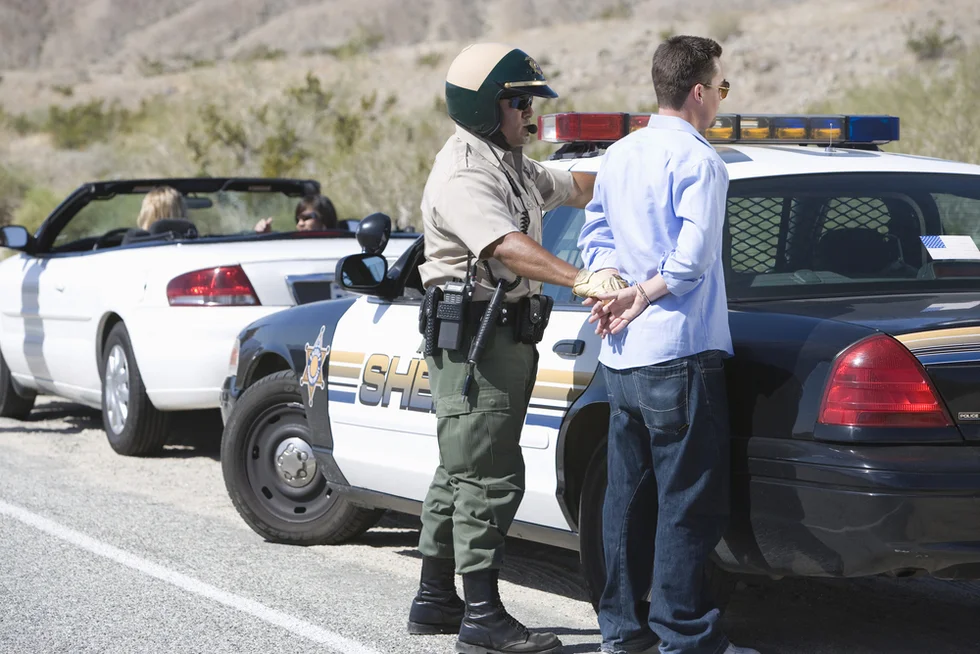
What Happens Right After a DUI Arrest in Glendale?
A DUI arrest triggers a sequence of events long before any court date is set, beginning with the initial traffic stop and continuing through field sobriety testing, chemical testing, booking, and the first administrative steps involving your driver’s license. What happens in those first hours and days can have a significant impact on the evidence available in your case, the deadlines you must meet, and the options your attorney may have when challenging the arrest or negotiating the charges. Understanding what happens immediately after a DUI arrest can help you recognize which steps require prompt action and which decisions may affect the rest of the case.
The Stop, Testing, and Booking
Most Glendale DUI arrests begin with a traffic stop by the Glendale Police Department, often along Brand Boulevard, Colorado Street, or the 134 and 2 freeway corridors. The officer looks for a legal reason to pull you over, then develops suspicion from what they observe: odor, speech, eyes, and how you respond to questions.
Field sobriety tests come next, and they are voluntary in California for drivers over 21 who are not on DUI probation. The preliminary alcohol screening device offered at the roadside is also usually optional. What is not optional is the post-arrest chemical test. Once you are lawfully arrested, California’s implied consent law requires you to submit to a breath or blood test, and refusing carries its own enhanced penalties on top of the DUI.
After the arrest, you are transported for booking and typically released within a few hours on bail or a written promise to appear. You leave with a citation, a court date, and a temporary paper license.
The 10-Day DMV Deadline
The officer takes your license and issues an administrative order of suspension. You have 10 days from the arrest to request a hearing from the DMV Driver Safety Office. If you do not, the suspension takes effect roughly 30 days after your arrest without anyone reviewing whether it was justified.
Requesting the hearing stays the suspension while it is pending, forces the California DMV to prove three specific things (that the stop was lawful, that the arrest was lawful, and that your BAC was 0.08% or higher, or that you refused testing), and gives your attorney a chance to question the arresting officer under oath long before trial. It is the single most time-sensitive step in the entire case.
The Glendale DUI Court Process, Step by Step
Once charges are filed, the case moves through a predictable sequence of court appearances, beginning with the arraignment and continuing through pretrial conferences, negotiations, and, if necessary, trial. Understanding what happens at each stage, what information becomes available, and which decisions actually matter can help you better understand the progress of your case and recognize when important opportunities to challenge the evidence or resolve the charges are being addressed.
Arraignment
Glendale DUI cases are filed in Los Angeles County Superior Court and heard at the Glendale Courthouse on East Broadway, though assignments can shift, so confirm the location on your citation. Arraignment is your first appearance. The charges are read, you enter a plea, and bail and release conditions are set. For a misdemeanor DUI, your attorney can usually appear on your behalf so you do not have to take the day off work.
Almost every defense attorney enters a not guilty plea at arraignment. Pleading guilty at the first appearance surrenders every piece of leverage before anyone has looked at the evidence, which is why understanding the difference between a no contest and a guilty plea matters before you say anything on the record.
Pretrial Conferences and Negotiations
This is where the case is actually decided. Your attorney receives discovery, which includes the police report, body camera and dash camera footage, breath machine calibration and maintenance records, blood test documentation, and the officer’s training records. Motions may be filed to suppress evidence from an unlawful stop or to exclude an unreliable test result.
Negotiations happen across several pretrial appearances. What moves a prosecutor is not argument alone but a documented problem: a gap in the calibration log, a stop that lacked a legal basis, video that contradicts the written report. Cases usually resolve here.
Trial or Resolution
If no acceptable offer emerges during the pretrial process, the case is set for a jury trial, where the prosecution must prove the DUI charges beyond a reasonable doubt. Most DUI cases do not reach the trial stage and are resolved through negotiations or another outcome before a jury is selected, but demonstrating a credible willingness and ability to take the case to trial can affect how the prosecution approaches negotiations and the offers presented to the defense. In Los Angeles County, a misdemeanor DUI case commonly takes approximately three to six months to move from arraignment through negotiations and other pretrial proceedings to its final resolution, although the actual timeline can vary depending on the circumstances of the case and the court’s schedule.
DUI Penalties You Face in Glendale
A first misdemeanor DUI conviction typically brings three to five years of informal probation, fines and assessments often exceeding $2,000, a three-month alcohol education program, a six-month license suspension, and an ignition interlock requirement for restricted driving. Up to six months in jail is authorized but uncommon on a clean record.
Aggravating facts change the picture quickly. A BAC of 0.15 percent or higher, excessive speed, a collision, a child passenger under 14, or a refusal all trigger enhanced penalties, longer programs, and less prosecutorial flexibility. A second offense within 10 years carries mandatory jail, an 18- or 30-month program, and a two-year suspension.
The consequences also extend past the courthouse. Insurance premiums rise sharply, employers who run driving records will see the conviction, and for anyone who is not a citizen, a DUI can interact with immigration status in ways worth understanding before entering any plea.
How Glendale DUI Cases Are Prosecuted
Glendale misdemeanor DUI cases are typically prosecuted by the city attorney’s office, with the District Attorney handling felonies. That distinction matters, because misdemeanor prosecutors carry heavy caseloads and evaluate files quickly. A well-documented defense presented early gets attention that a vague request for leniency will not.
Glendale also sits at the junction of several freeways and hosts regular DUI saturation patrols and checkpoints. Checkpoint arrests bring their own defense issues, since California requires checkpoints to follow specific constitutional rules on supervision, neutral stopping formulas, signage, and duration. When those rules are not followed, the resulting arrest can be challenged.
Common Defenses in Glendale DUI Cases
The strongest defenses come from the record, not from the story:
- Unlawful stop or detention. No reasonable suspicion means the evidence that followed may be suppressed.
- Rising BAC. Alcohol consumed shortly before driving keeps absorbing, so the test number may exceed your actual level while driving.
- Breath testing errors. Machines require regular calibration and accuracy checks, and the records often show lapses.
- Blood sample problems. Improper storage, missing preservative, or a broken chain of custody undermines the result.
- Field sobriety test conditions. Uneven pavement, poor lighting, footwear, injuries, and anxiety all skew performance.
- Report inconsistencies. When body camera footage contradicts the written narrative, the officer’s credibility becomes the issue, which is where challenging the police report becomes a real strategy rather than a talking point.
Reduced Charges: Wet Reckless and Other Outcomes
The most common favorable resolution is a reduction to a wet reckless, a plea to reckless driving with an alcohol notation. It cuts the fines, shortens probation to one to three years, reduces the alcohol program to 12 hours, and avoids the conviction-based license suspension. It still counts as a prior DUI for 10 years.
A dry reckless is better still, since it carries no alcohol notation and is not priorable, but prosecutors reserve it for weak cases. Some defendants may also qualify for diversion or alternative sentencing depending on the charge and circumstances, though standard DUI charges are generally excluded from misdemeanor diversion in California.
Frequently Asked Questions About Glendale DUI Arrests
Where do Glendale DUI cases go to court?
Glendale cases are handled in Los Angeles County Superior Court, most often at the Glendale Courthouse. Because branch assignments change, the date and location printed on your citation is the authority, and the court’s website confirms current locations.
Can I drive after a DUI arrest in Glendale?
Yes, temporarily. The pink temporary license the officer issues generally allows you to drive for about 30 days. If you request a DMV hearing within 10 days, your driving privilege continues until the hearing is decided.
What if I refused the breath or blood test?
Refusal triggers a separate one-year license suspension and adds a penalty enhancement to the criminal case. It also removes a chemical result from the prosecution’s evidence, which changes the defense strategy substantially. The consequences of refusing a DUI test are severe enough that these cases need to be assessed carefully rather than assumed to be stronger or weaker.
Will a Glendale DUI show up on background checks?
Yes. A DUI conviction is a misdemeanor criminal conviction and appears on background checks until it is expunged. It also stays on your DMV record for 10 years and counts as a prior for that entire period.
Facing DUI Charges in Glendale? Get a Free Case Analysis
The first and most time-sensitive deadline is the DMV window, which closes just 10 days after the arrest. Missing this deadline can affect your ability to challenge the administrative suspension of your driver’s license, making it important to act quickly after an arrest. At the same time, the evidence that can shape the defense, including breath-test calibration and maintenance records, blood-test documentation, police reports, and body camera footage, needs to be requested and reviewed before your attorney can effectively identify weaknesses in the prosecution’s case or challenge the evidence in court.
If you were arrested for DUI in Glendale, contact Manshoory Law Group for a free case analysis at (877) 977-7750. Available 24/7.