
May 9, 2025
Shaheen Manshoory
Criminal law classifies crimes partly based on the defendant’s state of mind at the time of the offense. This division between specific intent crimes and general intent crimes changes how a case is handled, what defenses work, and how bad the punishment might be. Anyone facing charges needs to understand this difference.
Understanding Intent in Criminal Law
Criminal law looks at two main things: what someone did (actus reus) and what they were thinking (mens rea). California uses special jury instructions called CALCRIM to explain this. Intent connects someone’s thoughts to their actions when committing a crime. It helps measure how blameworthy they are and affects both the charges they face and their sentence if convicted.
Criminal laws place intent into two main buckets: specific and general intent.

Specific Intent Crimes Explained
For prosecutors to win their case, they must prove two things: that the defendant did the act AND that they had a particular purpose in mind when doing it.
Check the law’s language. Words like “with intent to,” “knowingly,” or “willfully” mean prosecutors have to prove what the defendant was thinking, not just what they did.
Take burglary as an example. Just proving someone entered a building unlawfully isn’t enough. Prosecutors must also show they entered specifically to commit theft or another felony once inside. Without that mental element, it’s not burglary.
Examples of Specific Intent Crimes
- Burglary (PC 459): Unlawful entry PLUS intent to commit theft or a felony inside
- Robbery[3] (PC 211): Taking property by force or fear, PLUS intent to permanently deprive the owner
- Forgery (PC 470): Signing someone else’s nam,e PLUS intent to defraud
- First-degree murder[4]: Killing someone PLUS premeditation and deliberation
Other specific intent vs general intent distinctions appear in crimes such as theft[5], embezzlement, solicitation, conspiracy, and attempted crimes[6].
A criminal defense attorney sometimes uses the memory aid A-SPCF: Attempt crimes, Solicitation, Property felonies, Conspiracy, First-degree murder.

What are Defenses for Specific Intent Crimes?
When the law requires specific intent, these defenses can work:
- Showing the prosecutor can’t prove the defendant’s state of mind
- Evidence of intoxication that prevented the formation of the proper criminal intent
- Mental illness that made forming specific intent crimes impossible
- Honest mistake of fact[7]
- Abandonment (for attempted crimes)
Defense strategy focuses on breaking the link between actions and mental state. Since prosecutors must prove both the act and the intent, creating doubt about either element of the crime can lead to acquittal.

What are General Intent Crimes?
General intent crimes only require proof that the defendant deliberately committed the act, regardless of what they intended to happen as a result.
Prosecutors just need to show that the defendant voluntarily did something against the law. Their reasons or goals don’t matter.
CALCRIM No. 250 covers these crimes, telling jurors to focus only on whether the defendant deliberately did the criminal act[8], not what they hoped would happen.
These offenses focus on the voluntary action rather than the purpose.
Examples of General Intent Crimes
- Assault (PC 240)[9]: Just requires an intentional act causing fear of harmful contact
- Battery (PC 242): Just requires intentional, harmful, or offensive touching
- DUI (VC 23152): Just requires willfully driving while intoxicated[10]
- Rape: Focuses on doing the act without consent, not intent to harm
Many scholars note that specific intent vs general intent can be determined by examining the statutory language. Courts figure out which type applies based on the law’s wording and previous cases.

What are Defenses for General Intent Crimes?
Defending against these charges typically involves:
- Proving a lack of voluntary action (unconsciousness, seizure)
- Wrong person identified
- Consent[11] (where relevant)
- Challenging evidence that the defendant committed a crime at all
Unlike with many other charges, being drunk or high usually isn’t a defense when general intent is the standard.
Defense focuses on the act itself rather than what the defendant was thinking.
Specific Intent vs General Intent: Key Differences
Here’s what makes these different in practice:
- Proof Required: The first category needs proof of both act and mental state, making them harder to prove
- Law’s Language: Different terminology signals different requirements
- Available Defenses: Different options exist based on which mental standard applies
- Jury Instructions: California uses different instructions (CALCRIM 250 for general intent, 251 for specific intent)[12]
- Punishment: The former category often comes with harsher penalties
- Prosecution Approach: For the more complex cases, prosecutors must prove the defendant’s purpose beyond just doing the act

Why Intent Knowledge Matters for Your Defense
Knowing whether you face specific intent crimes or general intent charges helps build the right defense. This distinction affects everything from evidence to sentencing. California courts keep refining these distinctions through their rulings. The specific intent crimes offer more defense options based on mental state. The general intent focuses mainly on whether the defendant voluntarily did the prohibited act.
If you or someone you know is facing criminal charges, intent matters; our experienced defense attorneys can assess your case and develop effective strategies based on specific intent requirements. Contact us today at (877) 511-7583 for a free consultation.
FAQ
What is the difference between specific intent and general intent crimes?
Specific intent crimes require prosecutors to prove both that the defendant committed the act and that they had a particular purpose in mind when doing it. General intent crimes only require proof that the defendant voluntarily performed the prohibited act. For example, burglary requires intent to commit theft inside a building, while battery only requires intentional harmful contact the defendant’s broader goal is irrelevant.
What are examples of specific intent crimes in California?
Common specific intent crimes in California include burglary (Penal Code 459), robbery (Penal Code 211), forgery (Penal Code 470), first-degree murder with premeditation, theft, embezzlement, solicitation, conspiracy, and attempted crimes. Each requires prosecutors to prove a defined mental purpose beyond just committing the physical act.
Can intoxication be used as a defense for specific intent crimes?
Yes. Under California law, voluntary intoxication can be raised as a defense to specific intent crimes if the defendant was so impaired that they could not form the required mental purpose. However, intoxication is generally not a valid defense for general intent crimes, where the prosecution only needs to prove the defendant voluntarily performed the act.
How does intent affect sentencing in California?
Specific intent crimes typically carry harsher penalties because they involve a deliberate purpose beyond the criminal act itself. Proving premeditation or a calculated goal, such as entering a building to steal signals greater culpability in the eyes of the court. General intent crimes, while still serious, may result in lighter sentences since the prosecution only needs to prove the defendant acted voluntarily.
How do prosecutors prove specific intent?
Prosecutors use circumstantial evidence such as the defendant’s actions before, during, and after the crime, statements made to others, possession of tools or weapons, and patterns of behavior. California jury instructions (CALCRIM 251) direct jurors to consider all surrounding circumstances when evaluating whether the defendant had the required specific purpose at the time of the offense.
References
- Judicial Council of California. (2024, December). Criminal Jury Instructions (CALCRIM). https://courts.ca.gov/sites/default/files/courts/default/2024-12/calcrim_2024_edition.pdf
-
-
-
-
-
-
-
-
-
-
-

Apr 5, 2025
Douglas Parker
In criminal law, this defense holds true when someone acts under a false but reasonable belief, therefore influencing their mens rea¹. Whether the accused had the necessary intent to participate in illegal activity takes the front stage. Should the erroneous notion eliminate intent, a conviction could be denied. It is not like a Mistake of Law, though, since courts hardly consider ignorance of the law as a legitimate justification. Analyzing legal tactics in criminal cases depends on an awareness of this difference.
Explaining the Mistake of Fact Defense
Whether someone has criminal intent depends on their act occurring under an erroneous but reasonable assumption regarding a critical fact. This defense of error is applied in circumstances whereby the accused did not deliberately commit a crime.
For example, taking another person’s jacket by mistake while thinking it belongs to you lacks the intention of theft. Still, deliberately grabbing it even knowing it belongs to someone else is not allowed.
This case is more successful where conviction depends on establishing intention. When intent to act alone is enough for guilt, its effectiveness is limited. Some offenses do not allow this defense at all, as intent is not required for conviction.

The Role of the Mistake of Fact in Criminal Liability
In criminal law, the mental state² determines whether an act was intentional or accidental. Many crimes call for proof of purpose, and this defense might refute that by demonstrating the accused lacks understanding of misconduct.
Taking an item while believing it belongs to you differs from knowingly stealing it. One involves an honest mistake, while the other demonstrates criminal intent.
Courts carefully assess fact or law distinctions³. A Mistake of Fact can excuse a crime by negating intent, but a Mistake of Law—claiming ignorance of the law—is rarely accepted. The key difference is whether the misunderstanding affects the ability to form criminal intent.
What is the Mistake of Law Defense?
This defense applies when a person commits a crime due to ignorance or misunderstanding of legal rules. Unlike other defenses that question intent, it argues that the defendant did not realize their actions were illegal.
Courts rarely accept this argument because individuals are expected to know the law. Not realizing that gambling is illegal in a certain state does not exempt someone from penalties. However, in rare cases, it may apply, such as when a government official provides incorrect legal advice that leads to unlawful actions.
In certain legal disputes, mistakes of law defenses are sometimes raised, but generally face strict limitations. Courts often require that the misunderstanding stem from official misinformation rather than personal ignorance of the law.
Do These Defenses Apply to Strict Liability Crimes?
Certain crimes do not require proof of intent; committing the act alone is enough for conviction. These offenses include statutory rape, selling alcohol to minors, and certain environmental violations.
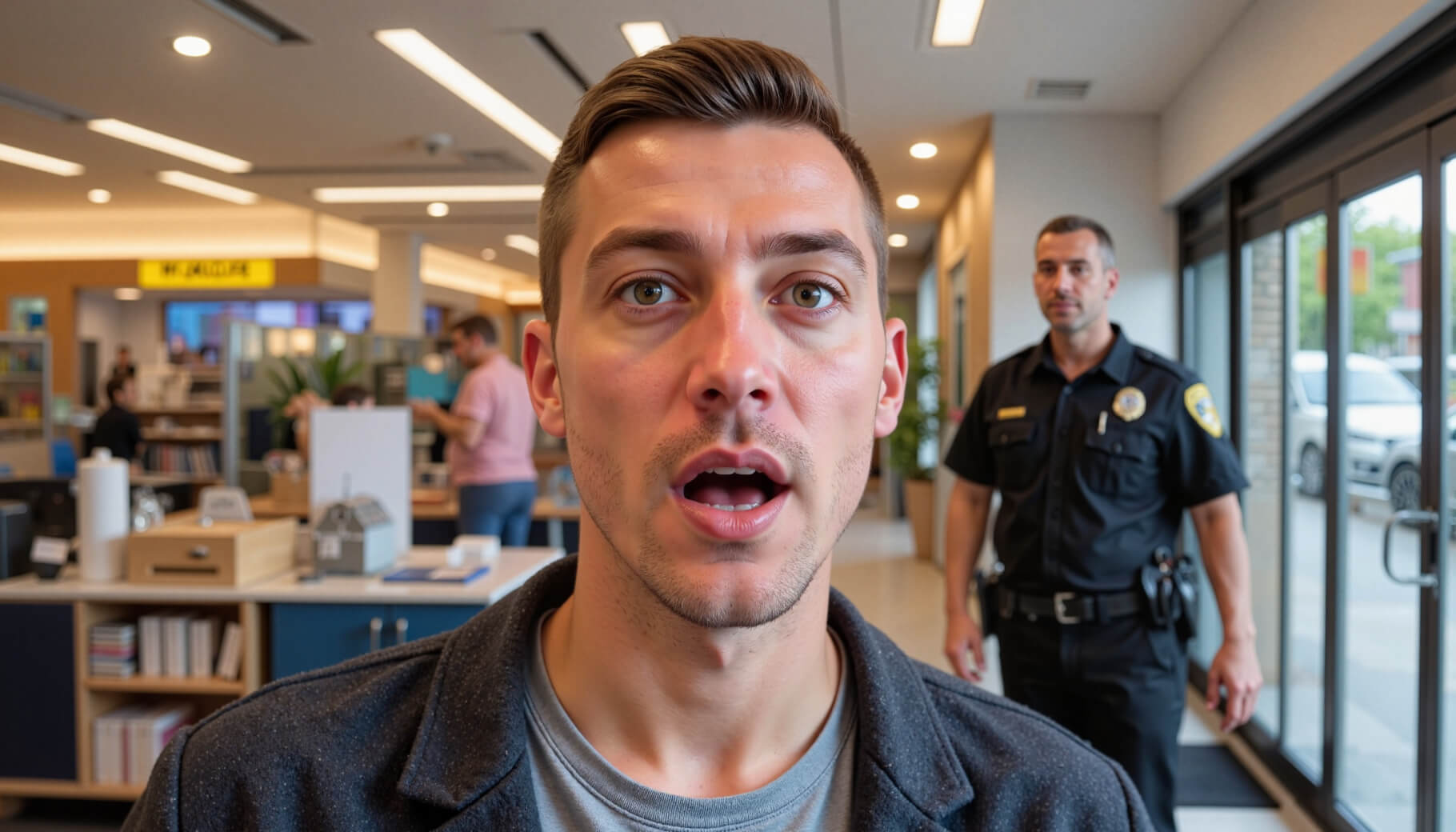
Because mistake-of-fact defenses rely on negating intent, they are usually ineffective in these cases. A store owner who mistakenly sells alcohol to a minor using a fake ID⁴ is still liable—even if they genuinely believed the buyer was of legal age. Strict liability⁵ laws prioritize public safety over individual misunderstandings, making intent irrelevant in most cases.
Criteria for a Valid Mistake of Fact Defense
For this defense to be valid, the mistake must be both reasonable and bona fide (made in good faith). Courts consider whether a typical person in the same situation would have made the same honest mistake and whether it negates criminal intent.
A key factor is the type of crime involved. In specific intent crimes, where proving intent is necessary (e.g., theft or fraud), a mistake of fact can be a strong defense. If someone took another’s property genuinely believing it was theirs, they lacked the required intent for theft⁶.
However, in general intent crimes, where only the intent to act matters (e.g., assault), this defense is harder to use. Mistakenly striking another person under the belief they were an attacker may still lead to guilt, as the intent to strike existed, even if the reasoning was flawed.

Limitations and Challenges of the Mistake of Fact Defense
This defense does not apply when the misunderstanding is unreasonable or irrelevant to the crime. If a defendant’s belief was irrational or negligent, such as assuming an unlocked car was theirs without verifying ownership, the argument is unlikely to succeed.
One major challenge is proving that the mistake was reasonable and made in good faith. The prosecution may argue that the accused should have verified the facts before acting. Courts assess whether a reasonable person would have made the same error under similar circumstances.
Additionally, societal and legal perceptions influence how judges and juries interpret legal defenses in criminal cases. A mistaken belief that aligns with common sense is more likely to be accepted than one that appears reckless. This makes it critical for defendants to present strong evidence supporting their claims.

This defense plays a crucial role in cases where intent matters but comes with strict legal limitations. Successfully arguing it requires proving a reasonable and good-faith belief. However, courts carefully evaluate the circumstances, and a weak argument can lead to conviction.
Legal representation is essential in navigating a defense in criminal law cases. Our criminal defense attorneys at Manshoory Law can assess whether a defense of a mistake is applicable and build a strong case. Without proper legal guidance, defendants risk misinterpreting the law and facing severe penalties.
Consult a qualified lawyer today to build the strongest defense and secure the best possible outcome.
References
-
-
-
-
-
-

Mar 24, 2025
Douglas Parker
Many people search for the term “What is Bail Jumping?” but often struggle to find clear answers. To clarify, bail jumping is a serious legal issue defined as the failure of a defendant, who has been released on bail, to appear in court for a scheduled trial. In California, this act is treated with utmost seriousness and can lead to severe consequences that negatively impact the defendant’s legal status and may result in significant financial liabilities.
Understanding Bail in California
Bail consists[1] of money paid with the promise from the defendant that they will attend their trial. In this context, it permits accused persons to be out of remand while waiting for their hearing, and this helps in reducing their intrusions into their lives. In California, specifics of the amount of bail[2] are calculated in accordance with the type of crime, criminal record, and likelihood of a defendant’s escape.
How is Bail Determined?
Judges in California consider various elements when setting bail amounts. These include:
- The severity of the offense
- The defendant’s criminal history[3]
- The likelihood of the defendant fleeing
- Community ties and employment status
When a defendant is released on bail, they must adhere to specific conditions imposed by the court. These may include regular check-ins with a bail bondsman, restrictions on travel, and mandatory appearances at all scheduled court dates. Understanding these responsibilities is crucial; failure to comply can lead to bail jumping charges.

What is Bail Jumping?
Popularly known, it is legally classified under California Penal Code 1320 & 1320.5[4] and commonly referred to as failure to appear for court or simply skipping bail. This act is different from other related crimes, including violation of probation[5], refusal to observe a bailing condition, or being absent from a court hearing due to some circumstances beyond your control.
The Consequences of Failure to Appear in California
The closest consequence for any defendant who fails to appear in court is the bench warrant[6], issued for arrest. This warrant permits the arrest of the person without any delay in a civil matter.
If an offender continuously fails to respect the provisions of his bail, the consequences following the charge of bail jumping are very serious and long-lasting. It distorts the ongoing criminal trials and may also attract other charges that carry more severe consequences than others. Failure to appear can also impact a future legal situation in a way that a longer jail term or higher fines can be imposed.
Along with criminal charges of up to 4 years imprisonment and fines of up to $10,000 in instances where charges are felony[7], defendants who jump bail lose any properties or valuable items pledged to a bail bondsman. This loss is really felt and may impose a lot of stress not only on the defendant but also on his/her family members and relatives who may have guaranteed the amount paid for bail.
Legal Obligations and Rights After Missing a Court Date
If a defendant fails to appear in court, it is critical that they take immediate action. The first step should be reaching out to their attorney or legal counsel for guidance on how to rectify the situation before further legal action is initiated.
Immediate Steps After Missing Court
- Contact Legal Counsel: Seek advice from experienced criminal defense attorneys.
- Surrender Voluntarily: If feasible, surrender voluntarily to law enforcement or the court.
- File for Reinstatement: Work with your attorney to file necessary motions for reinstating bail[8] or rescheduling.
Legal counsel plays an essential role in managing these circumstances by advising defendants on potential defenses against bail jumping charges and assisting in rescheduling missed court dates.

Bail Jumping vs. Accidental Failure to Appear
It is essential to differentiate between willful bail jumping and unintentional failure to appear. Accidental failures may arise from circumstances beyond one’s control, such as medical emergencies, transportation issues or lack of proper notice regarding the court date, and can sometimes serve as valid defenses against bail jumping charges. Understanding these distinctions can help defendants prepare an appropriate defense if charged with bail jumping.
The Process of Reinstating Bail or Rescheduling a Missed Court Appearance
To reinstate bail or reschedule a missed appearance, defendants should follow these steps:
- Consult Your Attorney: Seek guidance from an experienced criminal defense attorney.
- Surrender Voluntarily: If possible, voluntarily turn yourself in to law enforcement.
- File Necessary Motions: Work with your attorney to file motions for reinstating your bail or obtaining a new court date.
- Attend Rescheduled Hearing: Ensure attendance at any new court dates set by the judge.
By taking these steps promptly, defendants can mitigate some of the negative consequences associated with failing to appear.
Bail jumping is a major problem in California’s criminal justice system. By having some background information on what entails bail jumping, the consequences faced, and ways of dealing with the situation in case of missing court sessions, the defendant will be in a better position. If you or somebody dear to you has problems associated with bail jumping or has missed a court appearance, it is crucial to address this problem with qualified defense attorneys and legal aid that will help to solve it specifically.
If you need additional help or want to speak to an attorney about bail jumping or other matters, please contact us or call (877) 830-2348. Your rights deserve protection; let us help you navigate your path forward.
FAQ
What is bail jumping in California?
Bail jumping, legally classified under California Penal Code 1320 and 1320.5, occurs when a defendant who has been released on bail fails to appear in court for a scheduled hearing. It is commonly referred to as failure to appear or skipping bail. This is a separate criminal offense from the original charges and carries its own penalties, including additional fines and jail time.
What are the penalties for bail jumping in California?
Penalties depend on whether the underlying charge is a misdemeanor or felony. If the original charge was a misdemeanor, bail jumping can result in up to six months in county jail and a fine of up to $1,000. If the original charge was a felony, bail jumping carries up to four years in state prison and a fine of up to $10,000. In both cases, the court will also issue a bench warrant for the defendant’s immediate arrest.
What happens if I miss my court date while on bail?
The court will issue a bench warrant for your arrest, and your bail may be revoked. Any property or collateral pledged to a bail bondsman can be forfeited. The failure to appear also creates a separate criminal charge on top of your original case, which can lead to harsher sentencing on both matters. Taking immediate action by contacting an attorney and surrendering voluntarily can help reduce the consequences.
Is there a difference between bail jumping and accidental failure to appear?
Yes. Bail jumping implies a willful decision not to attend court, while an accidental failure to appear may result from circumstances beyond the defendant’s control, such as a medical emergency, transportation breakdown, or not receiving proper notice of the court date. These circumstances can sometimes serve as valid defenses against bail jumping charges if documented and presented to the court promptly.
What should I do if I missed my court date?
Contact a criminal defense attorney immediately for guidance. If possible, surrender voluntarily to law enforcement or the court rather than waiting to be arrested on the bench warrant. Your attorney can file motions to reinstate your bail and reschedule the missed hearing. Acting quickly and voluntarily demonstrates good faith to the court and can significantly reduce the additional penalties you face.
References

Mar 13, 2025
Douglas Parker
The criminal justice system tackles questions of fairness, morality, and protecting rights. Many aspects contribute to such fairness, and one of the best-known is the Brady violation, which stems from the 1963 case of Brady v. Maryland.
A Brady violation happens during a trial when the prosecutor fails to disclose evidence that weakens their case, thereby implicating the defendant without trying to prove guilt.
Origins of the Brady Violation
The origins of the Brady violation concept come from the Supreme Court case of Brady v.Maryland in 1963[1]. In this case, John Brady was convicted of first-degree murder[2]. Later, during his defense, Brady’s legal team discovered that a crucial statement from a co-defendant had not been presented, which could have affected the trial’s outcome
The Supreme Court contended that the trial prosecutor is under an obligation to turn over all favorable evidence without exception. Suppression of crucial evidence cannot be used as grounds for conviction. This led to the development of the Brady violation concept, which has since evolved.
A crucial case that further solidified this framework was Kyles v.Whitley[3]. In this case, the Supreme Court reinforced the importance of prosecutorial disclosure[4] and ruled in favor of a defendant whose conviction had been affected by failure to disclose crucial evidence. This decision emphasized the obligation of trial prosecutors to ensure full transparency in criminal trials.

Legal Requirements of a Brady Violation
To establish a Brady violation in court, three key requirements must be met. These requirements form the foundation for any Brady claim and help courts determine whether a defendant’s due process rights have been violated. Let’s examine each requirement in detail to understand what prosecutors must disclose and what defendants must prove.
1. Favorable Evidence to the Defendant
The prosecution must have withheld favorable evidence that is either
- Exculpatory Evidence – directly supports the innocence of the defendant
- Impeaching – challenges the credibility of the case or the key witness of the prosecution[5].
For instance, if a witness statement or DNA evidence[6] could have exonerated a defendant from wrongdoing, but the prosecution failed to disclose it, that would be Brady material.
2. The Prosecution Withheld the Evidence
The prosecution must have omitted the evidence disclosure to the defense. This occurs either:
- Intentionally: The prosecution deliberately withholds evidence.
- Unintentionally: Evidence is missed or not presented because of carelessness.
Regardless of purpose, the concealment of evidence that may influence the outcome of the trial is a Brady right.
3. The Suppressed Evidence Caused Prejudice
The defendant has to prove that the outcome of the trial would have been different if the evidence had been disclosed.
Here is an example:
If evidence under a key witness’s testimony was forged, and some records proved this, the defendant might argue that had these records been disclosed, they would have changed the verdict.

What is a Brady Motion?
A Brady motion is a motion in which the defense seeks from the court an order forcing the prosecution to release information, the nondisclosure of which relates to the Brady materials. The motion can be made either before the beginning of the trial, contemporaneously with the trial’s progress, or post-conviction.
What Counts as Brady Material?
Brady materials comprise all the evidence that could be beneficial to the accused, inclusive of evidence that may prove the defendant’s innocence and, on the other side, evidence that has the lowest level of incrimination against the accused or casts suspicion on the prosecution’s evidence against the accused.
These can include, but are not limited to, witness statements, photographs, or other evidential materials, as well as documents that can verify the arguments prepared by the defending side in the case.
For example, if a defendant claims he or she did not commit the crime, and there is evidence showing he or she did not, then that evidence will be considered Brady material.
Brady Disclosures: What Happens After a Brady Motion is Granted?
If a Brady motion is granted, the prosecution must disclose all relevant Brady material to the defense. Failing to do so can result in serious legal consequences, such as:
- Conviction reversal: If the withheld evidence is crucial, the court may vacate the conviction.
- New trial orders: If the violation undermined the fairness of the original trial.
- Sanctions against the prosecution: In severe cases, prosecutors may face disciplinary action.
Brady disclosures can occur before, during, or after trial, depending on when the evidence is discovered. Defense counselors must remain vigilant throughout the case to identify possible Brady violations and protect their client’s rights.

The Impact of Brady Violations on Criminal Defense
Brady violations have major consequences for defendants, prosecutors, and the legal system as a whole.
1. Legal Remedies for the Defendant
If a Brady violation is discovered, the defense lawyer can seek legal remedies such as:
- Filing an appeal to challenge the conviction.
- Requesting a retrial if the suppressed evidence was critical.
- Seeking post-conviction relief to overturn wrongfully convicted[7] individuals
2. Prosecutorial Responsibility & Ethical Duties
Prosecutors have an ethical duty[8] to ensure a fair trial by disclosing all Brady material. Failure to do so undermines public trust in the justice system. It can lead to misconduct charges against prosecutors. Plus, it may result in disciplinary actions, including disbarment in extreme cases.
3. Broader Justice System Implications
Brady violations highlight the risks of wrongful convictions, emphasizing the need for:
- Better oversight of prosecutorial practices.
- Stronger accountability measures for evidence disclosure.
- Judicial enforcement of fair trial rights.
A Brady violation involves serious injustice in a case such that the outcomes can be mistakenly changed. Where one or more of your close family members, including you suspect critical evidence is not disclosed, legal representation is promptly needed. An experienced district attorney can check case details for potential Brady violations, file a Brady motion to obtain undisclosed evidence, and advocate for a retrial or appeal if a violation occurs.
Need Legal Guidance?
If you suspect that a Brady violation has impacted your case, contacting a defense attorney at Manshoory Law would be a better option for you.
References

Feb 28, 2025
Shaheen Manshoory
The Federal Controlled Substances Act, established in 1970, categorized drugs into five distinct schedules to streamline legal enforcement and regulatory measures across the United States. These schedules rank substances based on their accepted medical use, potential for abuse, and the likelihood of dependency.
Schedule 3 drugs, recognized for having a moderate to low potential for physical and psychological dependence, still pose significant legal risks. This article delves into the specifics of Schedule III drugs, exploring their legal implications, including the consequences of possession or trafficking charges and the steps one should take if facing such accusations.
What is the Scheduling System for Drugs?
Although Schedule III drug charges aren’t as serious as Schedule I[1] and II crimes, the outcome of your case will have a significant effect on your future. A federal law, enacted in 1970, The Federal Controlled Substances Act[2] classifies controlled substances (drugs) under a single law replacing an assortment of laws that had developed over time. Five separate categories were created by this law.
When classifying a drug, the first step is determining whether or not there are medical uses for the drug, and the second is the drug’s potential negative effect on mental or physical health, including the potential for addiction. The Federal Drug Scheduling System[3] classifies drugs according to how harmful they are and includes Schedule I, II, III, IV, and V. Schedule I is the most harmful and Schedule V has the lowest risk of abuse.

What are Schedule 3 drugs?
California follows the Federal Schedule for listed drugs in California Health and Safety Code § 11056[4] although California refers to them as C-III drugs. Schedule III drugs include narcotics and non-narcotics. Drugs included in the list[5] of Schedule III drugs include narcotics that contain no more than 90 milligrams of codeine per dose.
Examples of Schedule III drugs include:
- Dronabinol
- Suboxone
- Tylenol with codeine
- Vicodin
Non-narcotics on the list of Schedule III drugs include:
- Anabolic steroids
- Ketamine
- Benzphetamine
- Marinol – a synthetic version of THC
- Phendimetrazine
When determining which drugs will be Schedule III drugs, the risk of dependence is considered. Drugs with a moderate or low risk of physical dependence that have a high risk of psychological dependence may be classified as Schedule 3 drugs. They also have a potential for abuse, but that potential is less than drugs classified as Schedule I or II drugs.
All the Schedule III drugs are included in this alphabetic list of scheduled drugs[6].

What is a Schedule 3 Drug Charge?
The penalties for a Schedule 3 drug charge depend on whether the charge relates to simple drug possession[7] or trafficking.
Civil Penalties
Possession can be charged in two ways. The Anti-Drug Abuse Act of 1988, Public Law. 100-690[8], contains “User Accountability” requirements for the possession of personal use quantities of illegal drugs. The law is codified at 21 U.S.C. § 844a.
In addition to potential criminal penalties, the “User Accountability” law holds users personally accountable by imposing civil penalties. Individuals convicted of possession of a Schedule 3 drug can also be denied public housing assistance and student loans. In some cases, prosecutors will use this law to punish minor drug offenders but don’t leave them with the stain of a criminal record that can impede their ability to support themselves or their families.
The fine can be up to $10,000, but the individual’s income and assets are considered, so it doesn’t burden poor people with impossible fines.
The public record can be destroyed for first offenders who meet the requirements of paying their fine, not being convicted of a crime during the following three years, and passing a drug test. Individuals with prior drug convictions and those who have taken advantage of this provision twice before are not eligible.

Criminal Penalties
Drug possession is also subject to criminal penalties that vary based on the quantity of drugs the person is found in possession of and their criminal history.
- First offenders are usually looking at a maximum of 1-year and a fine of up to $1,000.
- A second offense requires a minimum sentence of 15 days with a 2-year maximum and a fine of up to $2,500.
- The third offense requires a minimum sentence of not less than 90 days and not more than 3-years and up the fine to a minimum of $5,000.
- Any offense involving Flunitrazepam has a fine of up to $250,000 and up to 3 years in prison.
Minimum sentences may not be suspended or deferred.
Trafficking
Offenders guilty of trafficking illegal drugs are subject to stiffer penalties outlined in the DEA Enforcement Guide[9].
First offenders may not be sentenced to more than 10 years unless their crime caused serious injury or death, in which case the maximum is 15 years. The individual fine can’t be more than half a million, but if a company is involved, it increases to $2.5 million. The potential penalties and fines double for second offenses.
What to Do If You Have Been Charged with Possession of a Schedule III Drug?
If you are charged with any crime involving Class III drugs, you need a drug crime attorney to represent you and help you fight the accusations. Your personal freedom, finances, and your future depend on the outcome of the case.
Contact our attorneys at Manshoory Law Group as soon as possible. Delays can harm your position.
References
- Manshoory, S. (2022, January 18). What is a schedule 1 drug? Manshoory Law Group, APC. https://manshoorylaw.com/blog/what-is-a-schedule-1-drug/
- The Controlled Substances Act. (n.d.). DEA. https://www.dea.gov/drug-information/csa
- Manshoory, S. (2019, July 19). Federal Drug scheduling System and classifications. Manshoory Law Group, APC. https://manshoorylaw.com/blog/federal-drug-scheduling-system/
- California Code, HSC 11056. (n.d.). https://leginfo.legislature.ca.gov/faces/codes_displaySection.xhtml?lawCode=HSC§ionNum=11056
- List of Schedule 3 (III) controlled substances. (n.d.). Drugs.com. https://www.drugs.com/schedule-3-drugs.html
- Drug Enforcement Administration. (n.d.). Controlled substances – Alphabetical order. U.S. Department of Justice, Diversion Control Division. https://www.deadiversion.usdoj.gov/schedules/orangebook/c_cs_alpha.pdf
- Manshoory, S. (2022, June 16). Drug Possession in California | Law, Penalties & Defenses |Manshoory Law. Manshoory Law Group, APC. https://manshoorylaw.com/blog/drug-possession-in-california/
- Anti-Drug Abuse Act of 1988: Public Law 100-690, 100th Congress – Title I: Coordination of National Drug Policy | Office of Justice Programs. (n.d.). https://www.ojp.gov/ncjrs/virtual-library/abstracts/anti-drug-abuse-act-1988-public-law-100-690-100th-congress-title-i
- Drug Enforcement Administration. (n.d.). Drugs of abuse: A DEA resource guide. U.S. Department of Justice. https://www.dea.gov/sites/default/files/2018-06/drug_of_abuse.pdf

Feb 25, 2025
Douglas Parker
Feb 16, 2025
Douglas Parker
Protective orders and restraining orders are similar in that they are intended to protect an individual from the harmful conduct of another, but in California, they serve different purposes. Many people use the terms protective order and restraining order interchangeably, yet the two orders are different, separate, and distinct in the law in both criminal and civil matters.
If you or your loved ones must be kept safe from someone else, you might need a protective or restraining order as per your circumstances.
Criminal vs. Civil Orders
The first and main difference between protective order vs restraining order lies in the legal context[1] in which they are derived.
Protective orders are issued by criminal cases and have to do mostly with domestic violence and other related forms of abuse and are enforced by the prosecution.
On the other hand, restraining orders are filed in civil court and can be used in harassment, stalking, or disputes between individuals who do not have a close relationship.
Both orders can severely limit contact, communication, or physical proximity between individuals, but the legal process to obtain and enforce them is different.
What is a Protective Order?
A protective order in California is a court-issued directive designed to prevent harm or threat from an individual, often in situations involving domestic violence cases, abuse, or criminal activity. These orders are typically part of a criminal case[2], ensuring that the accused cannot contact or set about protecting mortals.
Such orders may be made out at different levels of legal proceedings, such as during an investigation or after a conviction, depending on the severity of the threat posed.
California law provides various forms or types[3]of protective orders, including emergency protective orders, which law enforcement policemen can receive to provide prompt protection, and temporary protective orders which remain in place until a formal hearing is conducted.

What is a Restriction Order?
Restraining order is a court order that legally restrains a person from approaching, threatening, harassing, or engaging in any violent act against another person. Such an order can come from a broader set of circumstances, as opposed to a protective order, which must be obtained through civil court.
A restraining order in California is divided into several categories. These include:
- Domestic violence restraining orders protect against abuse by a spouse, former partner, or family member.
- Civil harassment restraining orders[4] apply when the restrained person is not a close family member but presents a threat through continuing harassment or threats.
Protective Order vs Restraining Order: Application Process and Requirements
The process of receiving a protective order is different. Subsequently, law enforcement officers and prosecutors almost always petition for criminal protective orders in such cases of domestic violence or threats. These orders are, as a result, issued most of the time automatically when such a case appears before a criminal court.
On the other hand, restraining orders require the person seeking protection to file a petition[5] in civil court. The petitioner must present evidence of harassment, abuse, or threats and appear before the court. If the judge believes the claims are valid, a temporary restraining order may be issued until a formal hearing determines whether a long-term order is needed.
Duration of Protective Order and Restraining Order in California
In California, the duration of protective[6] order vs restraining orders varies based on the type of order:
- Emergency Protective Orders (EPOs): These are issued by law enforcement and usually last up to 7 calendar days.
- Temporary Restraining Orders (TROs): Such orders last until the court hearing, usually within 20-25 days.
- Restraining Orders After Hearing: These can stay up to 5 years. If no end date is specified, the last 3 years can be extended.
Violating A Restraining Order or Protective Order in California
Violating a protective or restraining order in California is a serious offense with significant consequences. The following are the principal points:
- Misdemeanor Violation: Violation of a restriction order is usually a misdemeanor punishable by a fine, probation, and/or jail time. The consequences may be up to 1 year in the county jail and a fine of up to $1,000[7].
- Felony Violation: If the violation involves violence, threats of violence, or injury, or if you have previous convictions for violating restraining orders. Violation punishments such as felonies can extend to 3 years in jail or prison and a fine of up to $1,000.

Protective Order vs Restraining Order: Can They Be Modified or Extended?
Under some conditions, protective and restraining orders can be changed or extended. If the situation changes, a party may seek a modification of the order so that the terms of the order are changed. This may mean changing restrictions in place on contact, residence, or communication.
For those who want to be protected further, restriction orders can be extended beyond the date of their expiration. The application for extension must be filed before the current order expires, and the petitioner must show a continued threat or risk. The court will consider the need to extend the order based on the evidence presented.
How to Fight a Protective Order or Restriction Order in California?
If you believe the court order is unjust or unjustified, then you can appeal. Here is how you do it:
- Gather Evidence: Collect all evidence that proves that the allegations brought against you are false or overstated.
- Hire a Los Angeles Criminal Defense Lawyer: A Los Angeles criminal defense lawyer can assist you in presenting a strong case.
- Follow the Court Order Until the Hearing: Even if you believe the order is unfair, violating it before your court date can lead to criminal charges. Strictly comply with all terms, including no-contact provisions, stay-away distances, and firearm restrictions.
- File a Response (Form DV-120 for Domestic Violence Cases): If you receive a Domestic Violence Restraining Order (DVRO)[8], you should file a Response to Request for Domestic Violence Restraining Order (DV-120) before your court hearing.
Knowing the difference between protective and restraining orders allows individuals to make good decisions. Although both are safety orders, their application, duration, and enforcement are totally different.
FAQ Section
What is the main difference between a protective order and a restraining order in California?
The core difference is which court issues them. Protective orders come out of criminal court — typically in domestic violence or abuse cases — and are usually requested by prosecutors or law enforcement. Restraining orders are issued through civil court and require the person seeking protection to file their own petition with evidence of harassment, threats, or abuse.
Can a protective order and a restraining order be in place at the same time?
Yes. It is possible for both a criminal protective order and a civil restraining order to exist simultaneously involving the same parties. This can happen when a victim has both an active criminal case against an abuser and a separate civil petition for protection. Both orders would need to be followed independently, and violating either carries its own legal consequences.
How long does a restraining order last in California?
It depends on the type. Emergency Protective Orders issued by law enforcement last up to 7 days. Temporary Restraining Orders stay in place until the court hearing, typically within 20–25 days. A permanent restraining order issued after a full hearing can last up to 5 years and can be renewed if the protected person demonstrates a continued threat.
What happens if someone violates a protective order or restraining order in California?
Violating either order is a criminal offense. A first violation is typically charged as a misdemeanor, carrying up to 1 year in county jail and a fine of up to $1,000. If the violation involves violence, threats, or the person has prior violations on record, it can be elevated to a felony charge with up to 3 years in prison.
Can a protective order or restraining order be challenged or removed in California?
Yes. If you believe an order was issued unjustly, you have the right to contest it at the scheduled court hearing. You can gather evidence, file a formal response — such as Form DV-120 for domestic violence cases — and present your case before a judge. It is strongly advisable to work with a criminal defense attorney before the hearing, and critically, you must continue complying with all terms of the order until a judge officially modifies or dismisses it.

Feb 10, 2025
Shaheen Manshoory
Cannabis cultivation is illegal in California. There are a lot of people doing cannabis cultivation, but most of them are legally allowed to do so.
Many of you are probably wondering why the law favors a few individuals while they are punishing other people for marijuana cultivation. Marijuana can be considered a type of drug, and it can be used as a medication for certain diseases like AIDS, cancer, seizures, and more.
Cannabis growing laws in California are very strict[1] and if you are found guilty, you might face jail time and a fine. If you are thinking about cannabis cultivation, here are a few things that you should know about the laws in California.

Can you Legally Grow Marijuana in California?
Marijuana cultivation is more or less the growing of marijuana. In most places around the globe, growing marijuana is illegal. However, in some parts of the United States, you are given a cannabis cultivation license to legally grow cannabis.
California is loosening up its restrictions when it comes to cannabis cultivation. Although growing cannabis is still a serious offense, there are several ways in which you will be allowed to grow marijuana without breaking any laws.
In the past, you could only grow marijuana for medical purposes, but under Proposition 64[2], people living in California can now grow cannabis for recreational purposes.
California Cannabis Growing Laws
Under Proposition 64, drug cultivation for recreational use is legal[3], but there are restrictions on who can grow the plant and the amount that can be cultivated.
It will only be legal if both of the following statements are true:
- The marijuana cultivator is 21 years or older
- He/she cultivates no more than six cannabis plants.
- Aside from these two, there are certain restrictions placed to make sure that they won’t go overboard. The cultivator needs to follow local ordinances placed by the city and they can only grow up to six weed plants in a single residence.
It means that even if you are living with your partner in a private residence, you can only grow up to six plants. In general, you can only grow weed indoors or within your private property. You can only do so in a locked space or in any area that is not visible to the public.
Penalties for Illegally Cultivating Cannabis
For marijuana cultivation, penalties for growing weed illegally can be divided into three:
- Infraction: You will be given an infraction if[4] you are between 18 to 20 years old and you are growing weed in your house. It is punishable by a fine of $100.
- Misdemeanor: You will be charged with a misdemeanor if you are 21 years or older and you are growing more than six plants. You might be put into custody in the county jail for up to six months or receive a fine of up to $500.
- Felony: You will be charged with a felony when you are cultivating more than six plants and you are guilty of one of the following:
- A serious violent felony on your record
- Registered sex offender
- Two or more convictions under HS 11358[5]
- Violated environmental laws on cultivating marijuana
The penalty for a felony[6] is up to three years in jail and a fine of $10,000. There is also a marijuana law on possession and sale. You are only allowed to possess up to one ounce of dried marijuana or eight grams of concentrated cannabis.
You need a cannabis cultivation license if you want to be a seller of marijuana. It means that it is illegal to sell weed if you don’t have a license to do it. You are only allowed to grow your weed, but you are not allowed to sell it. You cannot give it to minors as well.
Growing and using marijuana for recreational purposes has become legal in some states, but they are still regulating it to make sure that the users won’t get too addicted. If you are penalized for growing marijuana, you can always get the best criminal defense lawyers in Los Angeles that would represent you in court. These professionals can also help you understand what you need to know to grow marijuana legally in your area.

What are the Defenses of the Unlawful Cultivation of Cannabis?
The following defenses are available to individuals charged with cultivating greater than six cannabis plants:
- The cannabis belonged to another individual;
- The defendant was not aware that the cannabis was where it was found;
- The defendant was not aware that the cannabis was, in fact, cannabis;
- The defendant is a licensed medical cannabis user whose medical needs require him/her to cultivate more marijuana than California law otherwise allows; or
- The cannabis was found as a result of an illegal search[7].
Speak to a Criminal Defense Attorney
If you have been charged with unlawful cultivation of cannabis, and you believe you are within one or more of the above-listed exemptions, contact the Manshoory Law Group as soon as possible.
The attorneys at Manshoory Law Group have extensive knowledge of and experience in the ever-changing area of drug law, and we will ensure that you are provided with an effective and aggressive defense so that you have the best possible opportunity at defending the charges asserted against you.
References

Feb 9, 2025
Douglas Parker
The insanity defense has sparked debates and confusion in criminal law. When defendants claim they’re not guilty because they were insane, they’re saying they couldn’t tell right from wrong when they broke the law. But proving insanity in court isn’t easy. It needs both legal and medical experts to weigh in.
Understanding “Not Guilty by Reason of Insanity”: What is Insanity Plea?
An insanity plea is a legal strategy[1] used in criminal cases[2]. The defendant uses this theory to say that they were not in control of their actions or mind due to a severe mental disorder. This means that they should not be blamed for the crime. It is different from the competency to stand trial[3], which is a determination of whether someone can take part in a trial. Being fit to stand trial checks if someone can take part in court. The insanity defense, however, looks at the person’s state of mind when they broke the law.
Legal Standard for Insanity Defense
Some legal standards help to determine criminal insanity in US courts. These are:
- M’naghten Rule[4]: This rule determines whether the defendants were not able to distinguish right from wrong due to mental illness or deficiencies. The courts could consider a person legally insane if they couldn’t understand what they were doing or if it was wrong.
- Model Penal Code’s standard for the insanity defense: This standard looks at “substantial capacity” – if the defendant could know or understand his actions or handle his behavior due to mental illness. Some states use a version of this test called the irresistible impulse test[5], which determines whether a defendant could control their actions despite knowing they were wrong.

Process of Proving Not Guilty by Reason of Insanity
Successfully claiming to protect an insanity defense involves a rigorous legal and medical procedure. Here are the major stages:
- Proof of evidence: In most places, defense has the responsibility to show that the defendant was not guilty due to insanity when crime happened. Some states require “clear and concrete evidence”, while others use the “pre -evidence of evidence” standard.
- Testing proceedings: Health professional experts act as witnesses and talk about the mental state of the defendant during the trial. The prosecution often argues that the defendants meant to commit a crime and knew what they were doing.
- Plea of insanity: The defense lawyer should raise the argument of an insanity plea at the initial stage of the legal process, usually during the prosecution.
- Psychiatry test: The accused should conduct several psychiatric tests to investigate whether they are insane. A forensic psychologist[6] or psychiatrist does this test.
What Happens After a Successful Insanity Defense?
When a defendant is found not guilty because of insanity, he or she does not walk free; normally, they are committed to a mental institution for proper medical treatment. Confinement duration may depend on the level of their condition and according to state regulations.
- Hospitalization and Treatment: A defendant will receive psychiatric care for proper treatment and monitoring.
- Periodic Reviews: Courts check the mental status of the accused periodically and then determine if they are still dangerous to society.
- Potential Release: If the court and mental health professionals determine that the accused is no longer a danger to society, they may be released conditionally or fully.
In some cases, a defendant may spend more time in a mental institution than they would have if they were convicted and sentenced to prison.
Legal Representation in Verdicts of Not Guilty by Reason of insanity
The not-guilty-by-reason-of-insanity verdict case requires professional legal services. An experienced criminal defense attorney helps to develop a solid defense through medical evidence, psychiatric expert involvement, and powerful arguments in court. As laws on insanity defense differ from state to state, legal advice is given to the case to make sure it is in accordance with the jurisdictional requirements and standards.
A professional lawyer also assists defendants in navigating the legal process from pre-trial evaluations to post-trial commitments, fighting for fair treatment. Selecting a lawyer who is experienced in mental health law can significantly improve the likelihood of an effective defense and ensure the defendant receives appropriate care rather than punitive treatment.
Proving not guilty by reason of insanity is a challenging legal battle requiring substantial evidence, psychiatric evaluations, and skilled legal representation. While it can offer an alternative to traditional criminal punishment, it often results in long-term psychiatric treatment rather than complete freedom.
If you or someone you know is facing this situation, seeking a qualified attorney is essential. Contact Manshoory Law Group to schedule your consultation today!
References
- Feuerstein, S., Fortunati, F., Morgan, C. A., Coric, V., Temporini, H., & Southwick, S. (2005, September 1). The insanity defense. https://pmc.ncbi.nlm.nih.gov/articles/PMC2993532/
- Manshoory Law Group, APC. (2022, January 19). Steps in a criminal case | How criminal cases work | Manshoory Law. https://manshoorylaw.com/stages-criminal-case-process/
-
-
-
-

Jan 27, 2025
Douglas Parker
Arson in California has become a pressing concern for law enforcement and communities. As devastating blazes continue to sweep through Southern California, authorities face challenges in determining whether fires are deliberately set or occur naturally. Recent incidents, including the Palisades Fire in Los Angeles[1], underscore the importance of understanding the legal framework surrounding arson charges and prosecution.
What is Arson Under California Law?
California law defines[2] arson as starting fires with malicious intent on buildings, forests, or other properties. The Eaton fires[3] in California arson cases are prosecuted under Penal Code 451 and 452, distinguishing between malicious and reckless burning. To successfully prosecute an arson case, law enforcement agencies in Los Angeles and beyond must establish intent and demonstrate that the fire was deliberately set.
Additionally, the investigation of arson in California fire cases presents distinct problems in Los Angeles County due to the city’s unusual combination of urban areas and natural wilderness spaces. The County District Attorney’s office needs to study all the facts to decide if fires were intentionally set or if they appeared naturally.

How Arson Contributes To California Fires?
Natural conditions like dry weather, wind, and dense vegetation make California particularly vulnerable to wildfires. The effects of fires in California arson become deadly when someone decides to start them on purpose. The Palisades Fire demonstrated how human actions can exacerbate wildfire disasters, which destroyed thousands in a single incident.
The Los Angeles Police and Fire departments and other local agencies dedicate significant resources to tracing the sources of wildfires. However, “there is no data supporting winds bringing out arsonists,”[4] a former detective with the L.A. County Sheriff’s Office said. According to the National Interagency Fire Center, arson may account for over 20% of human-caused wildland fires. However, the actual figure remains uncertain, as arson cases are often misclassified initially and may take time to be properly identified.
Legal Penalties for Arson in California
There are severe penalties for arson in California fires, reflecting the devastating impact these crimes can have on lives and property.
Convictions depend on several factors:
- Type of Arson: Whether someone started the fires deliberately or without care.
- Injuries or Fatalities: Fires resulting in bodily harm or death carry harsher sentences
- Extent of Damage: Significant property loss or damage to essential infrastructure influences sentencing.
Under Section 451, penalties may include:
- If someone commits arson that results in great bodily injury, it’s considered a felony[5] and can lead to imprisonment for five, seven, or nine years in state prison.
- If the fire causes an inhabited structure (like a home) or inhabited property to burn, that’s also a felony, with a potential prison time of three, five, or eight years.
- Setting fire to a structure or forest land can result in a felony charge as well, with prison sentences ranging from two to six years.
- Lastly, if someone commits arson targeting tangible property, it’s another felony that could lead to 16 months to three years in prison.

Defenses to Arson Charges in California
- Lack of Intent: The intent in setting a fire must be deliberate and malicious because arson does not include actions performed without intent. This may be a strong defense claim if a fire was started without intent.
- Case of Mistaken Identity: This may be a defense plan strategy when there is not enough evidence to show that the accusation made against is true.
- Not Enough Evidence: The prosecution must prove their case beyond a reasonable doubt. Therefore, if the evidence presented against the defendant is weak or circumstantial, this factor may be raised.
- Alibi: If the accused can prove they were elsewhere when the fire occurred, this can be a defense.
- False Accusation: Certain individuals may have been arsonists only to be charged with arson assaults themselves because of misunderstanding.
Investigations and Evidence in Arson Cases
An investigation of the fire is also referred to as an arson investigation, the focus of which is to determine the fire’s origin and cause[6], with the ultimate aim of understanding its purpose. When foul play is suspected, investigators prioritize gathering evidence to identify the arsonist and build a strong case for prosecution.
An arson investigation is often intricate and involves the collaboration of several specialists. Proper understanding of the science in regards to fire, ranging from where it starts to how it can engulf a certain level of area, is a must for fire investigators.
Evidence in Arson Prosecutions
Evidence in arson cases[7] is essential to prove guilt. Generally, it encompasses both physical evidence that can be obtained from the fire scene, such as accelerants, peculiar burn patterns, etc., and circumstantial evidence that may relate to the defendant’s motive or opportunity.
Proper collection and preservation of the evidence make sure that they are admissible in court, which involves adhering to legal standards, maintaining a chain of custody, and protecting the rights of the accused.
The Role of Climate in Arson Charges
As climate change continues to reshape California’s landscape and weather patterns[8], its impact extends beyond environmental concerns into the legal realm, particularly regarding arson cases.
The intersection of climate conditions and fire-related crimes has created new challenges for both law enforcement and the judicial system, leading to several key considerations:
- Increased Fire Risk: Rising temperatures and prolonged droughts create conditions where fires can easily ignite and spread, meaning even small acts of arson can result in major wildfires.
- Severity of Fires: Fires are becoming more intense, with incidents like the Park Fire in 2024[9], linked to arson, burning 429,603 acres, and becoming one of the largest in California’s history.
- Legal Implications: California’s arson laws factor in intent and damage. As climate change worsens fire conditions, the penalties for arson can be even harsher.

Steps to Take if Accused of Arson
Individuals charged with arson in Southern California should act quickly to protect their legal rights:
- Hire a county district attorney who has experience in handling arson cases.
- Maintain all evidence and documentation.
- Contact your Los Angeles criminal defense lawyer to create a solid defense strategy.
As California faces severe wildfires, understanding arson laws is pivotal. Prosecuting arson cases requires balancing strict enforcement with consideration of environmental factors. It’s essential to hold accountable those who deliberately start fires while proving these cases beyond a reasonable doubt.
In Southern California, especially Los Angeles County, ongoing cooperation among law enforcement, fire investigators, and the legal system is paramount. With climate conditions promoting fire spread, preventing and prosecuting arson is vital for protecting lives and property statewide.
Frequently Asked Questions: Arson Charges in California
What is the legal definition of arson in California?
Under Penal Code 451, arson is the willful and malicious setting of fire to a structure, forest land, or property. Penal Code 452 covers reckless burning — fires set without intent but with criminal disregard for the risk.
What are the penalties for arson in California?
Penalties depend on what burned and whether anyone was hurt. Arson causing great bodily injury carries 5, 7, or 9 years in state prison. Burning an inhabited structure carries 3, 5, or 8 years. Arson of a structure or forest land carries 2 to 6 years, and arson of personal property carries 16 months to 3 years.
What defenses are available if you’re charged with arson in California?
Common defenses include lack of intent, mistaken identity, insufficient evidence, a credible alibi, or false accusation. The prosecution must prove the fire was deliberately set beyond a reasonable doubt, a high bar that an experienced defense attorney can challenge.
How do investigators determine if a fire was arson in California?
Investigators examine the fire’s origin and cause, looking for accelerants, unusual burn patterns, and signs of forced entry. LAPD, LAFD, and the county DA’s office often collaborate, especially in major wildfire cases.
Can arson charges be enhanced if a wildfire causes widespread damage?
Yes. Major property loss, infrastructure destruction, or deaths trigger sentencing enhancements under California law. Climate conditions that allow a deliberately set fire to spread into a large wildfire can significantly increase the severity of charges and prison time.
Resources
-
-
- Author. (n.d.). Eaton Fire | CAL FIRE. https://www.fire.ca.gov/incidents/2025/1/7/eaton-fire
- Bohannon, M. (2025, January 14). What Sparked the California Wildfires? Experts Consider Power Lines, Fireworks, and Arson. Forbes. https://www.forbes.com/sites/mollybohannon/2025/01/14/what-sparked-the-california-wildfires-experts-consider-power-lines-fireworks-and-arson/?utm_source=chatgpt.com
-
-
-
-
-